


3D Neural Spheroids: Why Better Models Need Better Assays
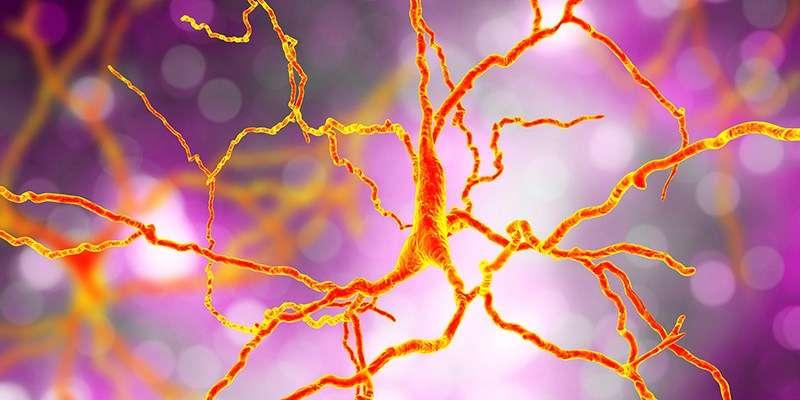
A drug candidate can maintain cell viability while altering neuronal activity.. Discover how 3D neural spheroids, fit-for-purpose assays, and reproducibility controls can help researchers make more confident early screening decisions.
A drug candidate can leave cultured neurons alive while changing how they communicate. A viability-only screen might miss that signal. For neuroscience teams under pressure to eliminate weak candidates early, the real challenge is not simply building more physiologically relevant models. It is selecting a model and measurements that reveal biologically meaningful effects without introducing new uncertainty.
Where Conventional Neural Screening Falls Short
Two-dimensional (2D) cultures remain useful for controlled experiments and high-throughput screening. However, 2D monolayers cannot fully reproduce the three-dimensional architecture and spatial organization of cell interactions in. Animal studies add whole-organism context, but species differences can complicate how findings translate to human biology.
Three-dimensional (3D) neural spheroids offer a complementary option. Depending on their composition, these multicellular aggregates can bring neurons and supporting glial cells into closer contact and enable investigation of network-related responses. Some neural spheroid systems use predefined mixtures of differentiated cells and have simpler tissue organization than self-organizing brain organoids, although terminology overlaps across studies. Neither reproduces the full structure or physiology of a human brain.
A 2023 study in Communications Biology demonstrated brain region-specific, functional human neural spheroids assembled from induced pluripotent stem cell (iPSC)-derived neurons and astrocytes for disease modeling and therapeutic screening. The finding supports their research potential, not a blanket claim that spheroids predict clinical success. A 2024 review in Archives of Toxicology on new approach methodologies in developmental and adult neurotoxicity testing similarly highlights challenges in method validation and interlaboratory transferability, underscoring why new screening models need careful qualification.
The Hidden Cost of an Uncontrolled 3D Model
Greater biological complexity creates additional experimental variables. Differences in cell sources, maturation, spheroid size, and compound penetration can make two batches respond differently. Larger spheroids may also develop oxygen and nutrient gradients, complicating interpretation.
Before testing candidates, teams should establish three checkpoints:
1. Model identity: Confirm relevant neuronal and glial cell populations, maturity, and disease-specific features.
2. Batch consistency: Set acceptance criteria for spheroid size, baseline viability, and functional behavior.
3. Assay relevance: Pair survival measurements with endpoints that match the research question, such as neurite morphology, neuronal activity, or target-related biomarkers. Confirm assay performance in the 3D format, accounting for reagent penetration and imaging depth where relevant, and include appropriate vehicle and reference controls.
Consider a hypothetical compound that preserves overall viability but reduces neurite branching. The result raises a follow-up question about neural development or toxicity; it does not, by itself, establish a disease mechanism or predict patient outcomes. Interpretation also depends on concentration, exposure duration, and the candidate's intended pharmacology. Likewise, a change in neuronal activity may reflect a desired drug effect rather than toxicity.
Connecting Model Design With Actionable Readouts
Creative Biolabs' 3D neural spheroid modeling service includes options such as iPSC-derived prefrontal cortex-like and ventral tegmental area-like spheroids, helping researchers select cell compositions suited to their questions. Its 3D neural spheroid assay service describes viability, neurite outgrowth, synaptic activity, and biomarker assessments to examine compound effects from more than one angle.
These offerings sit within broader 3D modeling services covering spheroids, organoids, and related neuroscience models. The practical advantage is the opportunity to align model selection, characterization, and assay planning at the outset rather than troubleshoot mismatched endpoints later.
3D models add value when they answer a defined biological question reproducibly—not simply because they are three-dimensional.
Planning a neural disease-modeling or neurotoxicity study? Discuss your cell model, quality criteria, and assay endpoints with Creative Biolabs before selecting a platform.

 English
 Arabic
 French
 Spanish
 Portuguese
 Deutsch
 Turkish
 Dutch
 Russian
 Romaian
 Portuguese (Brazil)
 Greek
