


As European Crop Protection Rules Tighten, Are Insecticide Formulations Keeping Pace?
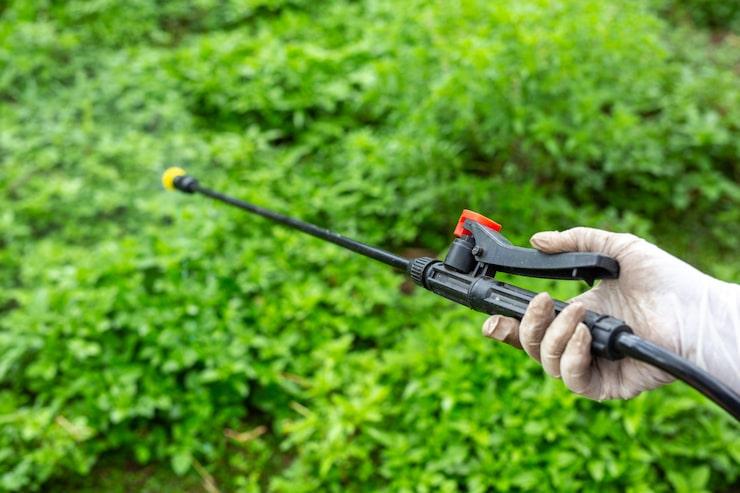
Europe's agricultural sector is navigating a changing crop protection environment as farmers balance pest control effectiveness, food safety requirements, environmental protection, and agricultural productivity. Insecticides remain important for managing harmful insect populations across cereals, oilseeds, fruits, vegetables, vineyards, and other commercial crops. However, purchasing decisions are increasingly influenced by product registration, active ingredient approvals, residue requirements, resistance management, and compatibility with sustainable agricultural practices.
According to a Vyansa Intelligence report, the Europe Insecticides Market was valued at USD 5.18 Billion in 2025 and is projected to reach USD 7.99 Billion by 2032, registering a CAGR of 6.39% during 2026-2032. This expansion reflects continuing agricultural crop protection requirements alongside changing product development priorities, biological pest-control adoption, and demand for more targeted insecticide applications.
Agricultural Pest Management Continues to Support Product Demand
Europe's diverse agricultural production base creates demand for insecticides across different crop categories and cultivation environments. Cereals, including wheat and barley, require protection against aphids, cereal leaf beetles, and other insect pests. Oilseed cultivation faces challenges from flea beetles, pollen beetles, and other insects that can damage developing plants and reproductive structures.
Fruit and vegetable production also requires specialized insect management. Aphids, thrips, whiteflies, caterpillars, and fruit-feeding insects can affect crop development, appearance, and harvested quality. In vineyards and orchards, pest-control requirements are influenced by crop sensitivity, seasonal infestation patterns, and the quality expectations of commercial buyers.
These differences encourage farmers to select insecticides according to target pest populations, crop compatibility, application conditions, and treatment effectiveness. Product selection also considers pre-harvest intervals and residue requirements, particularly for agricultural commodities supplied to food processors and export-oriented distribution networks.
In this report, demand is examined through the relationship between agricultural pest pressure, crop protection requirements, regulatory compliance, and the development of more targeted insect-control solutions.
Synthetic Insecticides Face Increasing Product Differentiation Requirements
Synthetic insecticides continue to serve important agricultural applications because of their established pest-control capabilities and availability across commercial farming systems. Pyrethroids, neonicotinoids, organophosphates, and other chemical categories offer different modes of action for managing specific insect populations.
However, the European regulatory environment places considerable emphasis on active substance approval, product authorization, environmental exposure, and human health considerations. Manufacturers must demonstrate that their products satisfy applicable regulatory requirements before commercial distribution.
Resistance development is another important consideration. Repeated exposure to similar modes of action can reduce insecticide effectiveness, creating a need for appropriate product rotation and integrated resistance-management practices.
Latest market analysis suggests that manufacturers will increasingly differentiate their offerings through selective pest control, formulation improvements, alternative active ingredients, and application characteristics that support responsible agricultural use.
Biological Insecticides Are Expanding Crop Protection Options
Biological insecticides are gaining commercial relevance as European agricultural stakeholders explore alternatives that complement conventional chemical treatments. Microbial products, botanical formulations, and other biologically derived solutions provide additional approaches for managing selected insect populations.
Their application is particularly relevant in horticulture, greenhouse cultivation, organic farming systems, and residue-sensitive agricultural production. Biological products can also complement conventional treatments within integrated pest management programs.
The European Commission promotes integrated pest management as a central component of sustainable pesticide use. Its framework prioritizes biological, physical, and other non-chemical approaches where these methods provide satisfactory pest control.
However, biological insecticide adoption depends on formulation stability, storage conditions, field effectiveness, application timing, and pest-specific suitability. Manufacturers must address these practical requirements to strengthen product acceptance among professional growers.
According to this industry report, biological solutions represent an opportunity to diversify crop protection portfolios rather than eliminate the need for conventional insecticides. Their commercial relevance will depend on compatibility with existing agricultural practices and reliable performance under different cultivation conditions.
Regulatory Developments Are Reshaping Insecticide Innovation
Regulatory compliance is a major competitive consideration for insecticide manufacturers operating across European countries. The European Union regulates plant protection products through active substance approval and product authorization processes. These requirements influence formulation development, product labeling, permitted applications, and commercial availability.
Recent regulatory developments also emphasize responsible application and improved product-use information. The European Commission's updated labeling requirements address integrated pest management and recognize precision application techniques as a means of improving targeting and reducing unnecessary environmental exposure.
Residue management further influences product selection, particularly for fruits, vegetables, and other food commodities. Farmers must consider authorized applications, application timing, and applicable maximum residue limits to maintain compliance with food safety requirements.
Industry analysis indicates that regulatory readiness is becoming an important differentiator. Manufacturers need to combine effective insect-control formulations with appropriate documentation, product stewardship, and clear application instructions. Suppliers that can respond to evolving regulatory expectations may find opportunities to strengthen their position among agricultural distributors and professional growers.
Precision Application Is Creating New Commercial Opportunities
Precision agriculture is changing how insecticides are selected and applied across European farming operations. Conventional spraying can create challenges involving uneven coverage, unnecessary chemical exposure, and difficulties in addressing localized infestations.
Agricultural drones, sensor-based monitoring, digital pest identification, and precision spraying equipment provide opportunities to improve application efficiency. These technologies can help growers identify affected crop areas and coordinate treatments according to field conditions.
For insecticide manufacturers, compatibility with modern application equipment is becoming an important product-development consideration. Formulations need suitable dispersion, stability, coverage, and application characteristics to support targeted pest management.
A Market research report assessing this sector must also recognize the relationship between precision agriculture adoption and changing product requirements. Digital monitoring and improved application practices can support more informed insecticide selection while helping growers manage resistance and unnecessary pesticide exposure.
Competitive Priorities Will Extend Beyond Insect-Control Effectiveness
Competition in the European insecticides industry is influenced by formulation capabilities, regulatory compliance, product availability, technical support, and compatibility with sustainable agriculture.
Manufacturers need to address different agricultural requirements across conventional farming, horticulture, greenhouse cultivation, and specialty crop production. This creates opportunities for differentiated formulations, selective insecticides, biological alternatives, and integrated pest-management solutions.
Detailed market insights suggest that suppliers will increasingly need to demonstrate product reliability alongside environmental and regulatory suitability. Technical assistance, resistance-management recommendations, and practical application guidance can also strengthen relationships with agricultural distributors and professional users.
What Will Determine Europe's Next Phase of Crop Protection Demand?
The Europe Insecticides Industry is evolving through the interaction of agricultural pest pressure, regulatory expectations, formulation innovation, and sustainable farming practices. Conventional insecticides will continue to support essential crop protection applications, while biological alternatives and precision technologies will broaden the available range of pest-management solutions.
Future commercial opportunities will depend on manufacturers' ability to develop effective formulations that satisfy crop-specific requirements and evolving regulatory expectations. Resistance management, residue compliance, targeted application, and product stewardship will remain important considerations for agricultural users.
The Europe Insecticides Industry is therefore positioned for continued development as farmers seek dependable pest-control solutions that balance agricultural productivity with environmental responsibility. Suppliers that align product innovation with these requirements will be better positioned to address changing European crop protection needs.

 English
 Arabic
 French
 Spanish
 Portuguese
 Turkish
 Dutch
 Italiano
 Russian
 Romaian
 Portuguese (Brazil)
 Greek
