


How to Recognise When You Need Supplemental Oxygen
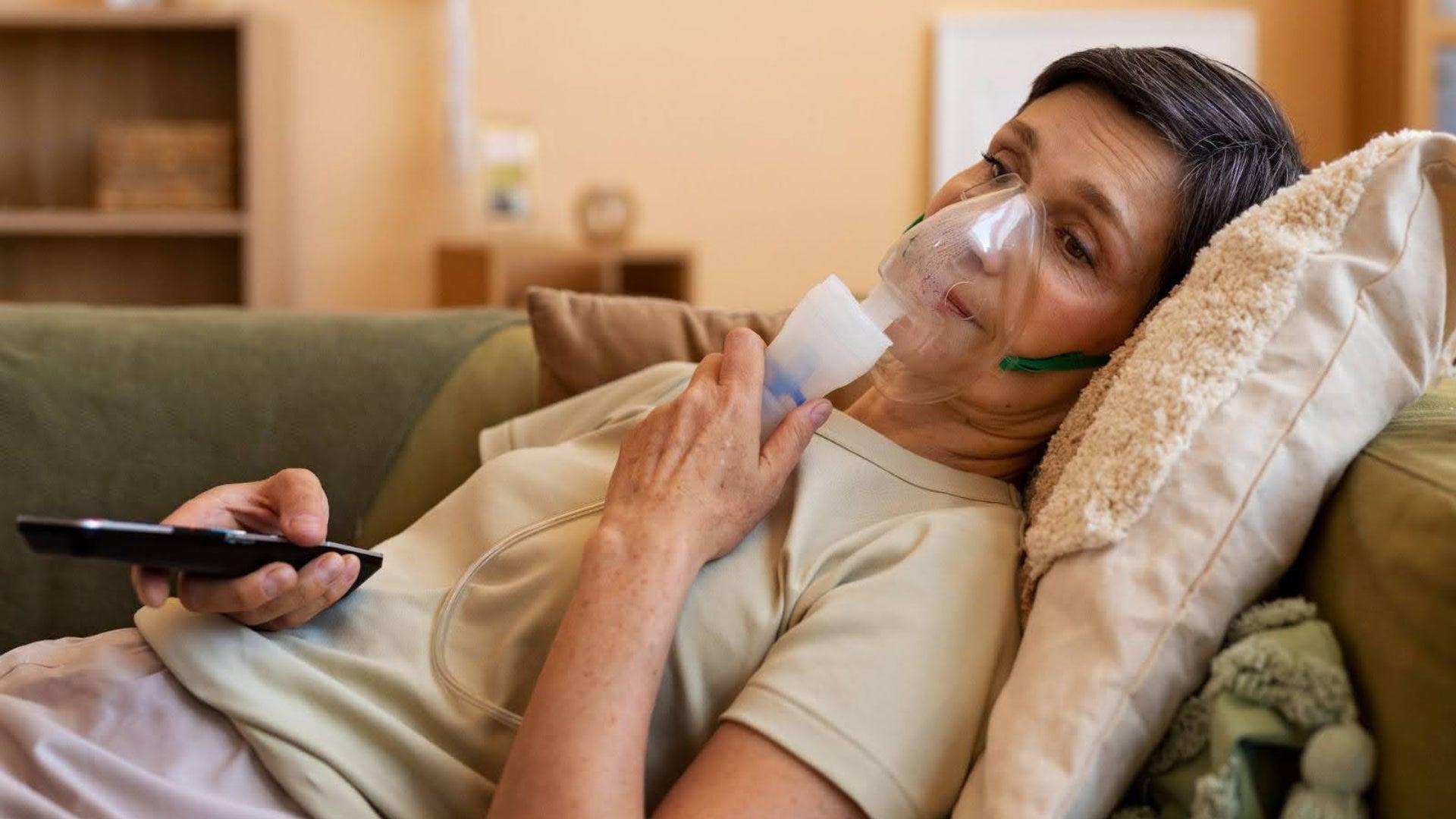
Oxygen is essential for keeping the body functioning properly, supporting the brain, heart, muscles, and other vital organs. When oxygen levels in the blood become too low, a person may experience symptoms that affect their daily activities, energy, and overall well-being. Recognising these warning signs early can help prevent complications and ensure timely medical attention. Oxygen Therapy At Home In Dubai may be recommended for patients who require additional oxygen support under medical supervision. With professional guidance from a healthcare provider or a Doctor at Home, individuals can understand their oxygen needs and receive an appropriate treatment plan without unnecessary hospital visits.
What Is Supplemental Oxygen?
Supplemental oxygen is a medical treatment that provides additional oxygen to people whose blood oxygen levels are lower than the amount needed for normal body function. Healthy lungs transfer oxygen from the air into the bloodstream, allowing it to reach organs and tissues. However, certain respiratory, cardiac, and other medical conditions can interfere with this process. Supplemental oxygen may be delivered through equipment such as an oxygen concentrator, oxygen cylinder, or portable oxygen system. It is prescribed according to a patient's clinical condition, oxygen measurements, and individual requirements. Not everyone who experiences breathlessness needs oxygen, so a proper medical assessment is essential before starting treatment.
Common Signs That You May Need Supplemental Oxygen:
Low oxygen levels, also known as hypoxaemia, can produce several physical and behavioural changes. Some symptoms develop gradually, while others may appear suddenly depending on the underlying condition. Common warning signs include:
-
Persistent shortness of breath: Feeling breathless during routine activities, walking, or even while resting may indicate an underlying respiratory problem.
-
Unusual fatigue: Low oxygen availability can make everyday tasks feel exhausting.
-
Rapid breathing: Breathing faster than usual may occur when the body tries to compensate for reduced oxygen levels.
-
Rapid heartbeat: The heart may beat faster as it works to deliver oxygen throughout the body.
-
Bluish or greyish lips and fingertips: This can be a sign of inadequate oxygen circulation, although it may not appear in every patient.
-
Confusion or difficulty concentrating: Reduced oxygen levels can affect brain function, particularly when the problem is significant.
-
Frequent headaches: Some people experience headaches, especially in the morning, although this symptom can have several other causes.
These symptoms should not be used alone to diagnose low oxygen levels. A healthcare professional can assess their cause and determine whether oxygen therapy is necessary.
Understanding the Importance of Blood Oxygen Levels:
Blood oxygen saturation, commonly measured as SpO2, indicates the percentage of haemoglobin carrying oxygen. A pulse oximeter is a small device placed on a finger that estimates this measurement without requiring a blood sample. For many healthy adults, readings are generally around 95% to 100%, but appropriate targets can vary depending on medical conditions and individual circumstances. Patients with certain chronic respiratory diseases may have different prescribed oxygen targets. A reading that is consistently below the person's recommended range should be discussed with a healthcare professional. Pulse oximeters are not perfect and can produce inaccurate results because of cold fingers, movement, poor circulation, nail polish, device quality, and other factors. A concerning reading should be interpreted alongside symptoms and clinical advice rather than treated as a diagnosis on its own.
Medical Conditions That May Require Supplemental Oxygen:
Several health conditions can interfere with the body's ability to absorb or transport sufficient oxygen. In these situations, doctors may recommend oxygen therapy after reviewing test results and the patient's overall health. Conditions that can sometimes require supplemental oxygen include:
-
Chronic Obstructive Pulmonary Disease (COPD): Damage to the airways and lungs can reduce oxygen transfer into the bloodstream.
-
Pneumonia: Lung inflammation and fluid-filled air sacs can make breathing and oxygen absorption difficult.
-
Pulmonary fibrosis: Scarring of lung tissue can limit the lungs' ability to transfer oxygen.
-
Severe asthma: Significant airway narrowing during a serious attack can affect oxygen levels.
-
Certain heart conditions: Some cardiac problems can contribute to inadequate oxygen delivery or low blood oxygen.
-
Sleep-related breathing disorders: Some patients may experience reduced oxygen levels during sleep and require specialist assessment.
Having one of these conditions does not automatically mean a person needs supplemental oxygen. Treatment depends on clinical findings, the severity of the condition, and appropriate diagnostic testing.
Tests Doctors Use to Determine Oxygen Requirements:
Before prescribing oxygen, healthcare professionals assess how effectively the lungs transfer oxygen into the bloodstream. They may use different tests depending on the patient's symptoms and medical history. A pulse oximeter provides a quick estimate of blood oxygen saturation, while an arterial blood gas test measures oxygen and carbon dioxide levels directly in an arterial blood sample. Doctors may also recommend a walking assessment to observe oxygen levels during physical activity or overnight monitoring to identify drops in oxygen during sleep. In some cases, lung function tests, chest imaging, and cardiac investigations help identify the underlying cause. These assessments allow clinicians to determine whether oxygen is required, how much should be prescribed, and when it should be used.
When Should You Speak to a Healthcare Professional?
It is important to seek medical advice when symptoms suggest that your body may not be receiving enough oxygen. Do not wait until breathing difficulties become severe, particularly if you have an existing lung or heart condition. Contact a healthcare professional if you experience:
-
Increasing breathlessness during normal activities.
-
Repeated oxygen readings below your prescribed target range.
-
Unusual tiredness that interferes with everyday routines.
-
New or worsening breathing difficulties during sleep.
-
A noticeable decline in your ability to walk or perform routine tasks.
-
Persistent symptoms following a respiratory infection.
Seek emergency medical assistance if you experience severe difficulty breathing, chest pain, fainting, sudden confusion, or blue or grey lips. Do not delay emergency care while checking oxygen readings or arranging a home visit.
How Supplemental Oxygen Can Support Daily Life:
For patients who have been medically assessed and prescribed oxygen, treatment can help maintain blood oxygen levels within an appropriate target range. This may reduce symptoms associated with low oxygen and support essential body functions. Some individuals require oxygen continuously, while others may need it only during physical activity or sleep. The treatment schedule depends on the underlying condition and medical recommendations. Patients receiving Oxygen Therapy At Home In Dubai may use an oxygen concentrator or cylinder according to their prescribed needs. Home-based treatment can make ongoing support more convenient, but patients must follow equipment instructions and attend regular medical reviews. Oxygen should never be started, stopped, or adjusted without professional guidance.
Safety Tips for Patients Using Oxygen at Home:
Using supplemental oxygen at home requires careful handling to protect patients, family members, and caregivers. Oxygen itself is not flammable, but it supports combustion and can cause fires to start and spread more rapidly. Following basic safety practices helps reduce preventable risks.
Important precautions include:
-
Keep oxygen equipment away from cigarettes, candles, gas stoves, and other open flames.
-
Never allow smoking near oxygen equipment or in areas where oxygen is being used.
-
Place oxygen concentrators in well-ventilated spaces and avoid blocking their air vents.
-
Secure oxygen cylinders upright to prevent them from falling.
-
Keep equipment away from heat sources and combustible materials.
-
Use only accessories and products approved as safe for oxygen equipment.
-
Follow the manufacturer's cleaning, maintenance, and storage instructions.
-
Keep emergency contact details and equipment supplier information accessible.
Caregivers should also understand how to operate the equipment and recognise signs that require medical attention.
The Role of Home Healthcare in Oxygen Management:
Managing oxygen therapy at home can be easier with professional healthcare support. Qualified nurses and healthcare providers can help patients follow their prescribed treatment plans, monitor relevant symptoms, and identify changes that need medical review. They can also educate family members about equipment handling, hygiene, safety precautions, and routine care. Home healthcare services may be particularly useful for older adults, people with limited mobility, and patients recovering from respiratory illnesses. However, home visits do not replace emergency services or specialist assessment when serious symptoms occur. Regular communication with the treating doctor remains essential to ensure that oxygen requirements are reviewed as the patient's condition changes.
Final Thoughts
Recognising when you may need supplemental oxygen is an important part of protecting your respiratory health. Persistent breathlessness, unusual fatigue, rapid breathing, confusion, and low oxygen readings can indicate a problem that requires medical assessment. However, symptoms and pulse oximeter readings alone cannot confirm whether oxygen therapy is necessary. Professional evaluation helps identify the underlying cause and determine the safest treatment approach. For patients who require ongoing support, Oxygen Therapy At Home In Dubai can provide a practical way to receive prescribed oxygen while remaining in a familiar environment. Following medical instructions, maintaining equipment safety, and attending regular reviews can help patients manage their oxygen needs responsibly.

 English
 Arabic
 French
 Spanish
 Portuguese
 Deutsch
 Dutch
 Italiano
 Russian
 Romaian
 Portuguese (Brazil)
 Greek
