


Botox Injections for a Gummy Smile: Do They Really Work?
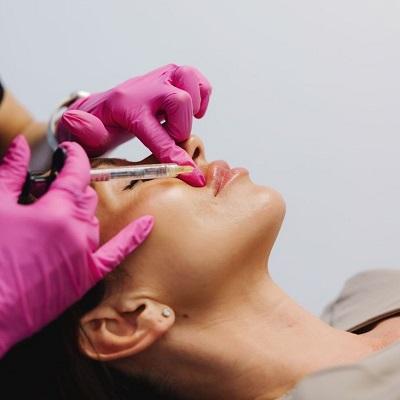
A smile is one of the most noticeable features of a person's appearance, but some individuals feel self-conscious when their upper gums become highly visible while smiling. This condition, commonly known as a gummy smile, can affect confidence and make people feel uncomfortable about showing their teeth in photographs or social situations. Although a gummy smile is generally harmless, individuals who wish to change its appearance often explore different cosmetic treatment options.
One increasingly popular non-surgical approach involves Botox Injections. This treatment works by temporarily relaxing specific muscles responsible for lifting the upper lip. As a result, the upper lip may not rise as high when smiling, reducing the amount of visible gum tissue. But do Botox injections for a gummy smile really work? The answer depends on the underlying cause, individual facial anatomy, and the experience of the professional performing the treatment.
1. What Is a Gummy Smile and Why Does It Happen?
A gummy smile occurs when an excessive amount of upper gum tissue becomes visible while a person smiles. There is no single measurement that defines a gummy smile for everyone because facial proportions, lip movement, and personal aesthetic preferences differ. However, many individuals consider their smile gummy when a noticeable portion of the upper gums appears above the teeth.
Several factors can contribute to this appearance, and understanding the underlying cause is essential before selecting a treatment.
Common causes of a gummy smile include:
-
Overactive upper lip muscles: Some individuals have upper lip muscles that lift the lip higher than usual when smiling, exposing more gum tissue.
-
Short upper lip: A naturally shorter upper lip may reveal more gum tissue, even when facial muscles are functioning normally.
-
Excessive gum tissue: An increased amount of gum tissue covering the teeth can make the teeth appear shorter and create a gummy appearance.
-
Tooth positioning: The position, size, and eruption pattern of the upper teeth can influence how much gum tissue is visible.
-
Jaw development: Certain differences in upper jaw structure may contribute to excessive gum visibility.
Identifying the specific cause is important because Botox is not suitable for every type of gummy smile. It is generally most effective when excessive upper lip movement is the primary reason for visible gums.
2. How Do Botox Injections Work for a Gummy Smile?
Botox injections work by temporarily reducing the activity of selected muscles. For a gummy smile, the treatment focuses on muscles responsible for lifting the upper lip during facial expressions.
When these muscles contract strongly, the upper lip moves upward and exposes more of the gums. A qualified healthcare professional can use carefully planned injections to reduce excessive muscle activity.
By relaxing the targeted muscles, the upper lip may remain slightly lower when smiling. This can reduce gum exposure and create a more balanced appearance between the upper lip, teeth, and gums.
The treatment generally involves the following steps:
-
Initial assessment: The professional examines the individual's smile, facial movements, lip position, and gum visibility.
-
Treatment planning: Suitable injection points and an appropriate dosage are determined according to individual anatomy.
-
Preparation: The treatment area is cleaned, and the professional prepares the injection sites.
-
Injection procedure: Small amounts of Botox are administered into selected muscles responsible for upper lip elevation.
-
Aftercare guidance: The individual receives instructions about what to expect and how to care for the treated area.
The procedure is usually quick and does not typically require significant downtime. However, the results are temporary, and the treatment must be repeated if an individual wishes to maintain the effect.
3. Do Botox Injections for a Gummy Smile Really Work?
Yes, Botox injections can be effective for reducing a gummy smile in appropriately selected individuals. The treatment is particularly useful when excessive activity of the upper lip muscles causes too much gum tissue to become visible during smiling.
By reducing muscle movement, Botox can help limit how high the upper lip rises. This allows less gum tissue to show while preserving a natural-looking smile when the treatment is carefully administered.
However, the results are not identical for everyone. Several factors influence how successful the treatment may be.
Factors that affect treatment results include:
-
The underlying cause of the gummy smile.
-
The strength and activity of the upper lip muscles.
-
Individual facial anatomy and lip proportions.
-
The injection technique and dosage.
-
The professional's experience with facial aesthetics.
-
The individual's response to the treatment.
Results generally begin to become noticeable within a few days, while the full effect often develops within approximately 10 to 14 days. The improvement commonly lasts around three to four months, although duration varies between individuals.
It is also important to understand that Botox does not remove excess gum tissue, reposition teeth, or change the structure of the jaw. If these factors are responsible for the gummy smile, another treatment approach may be more appropriate.
The main advantage of Botox is that it offers a temporary, minimally invasive option without surgery for individuals whose gummy smile is primarily caused by excessive upper lip muscle movement.
4. Benefits of Botox Treatment for a Gummy Smile
Botox has become an appealing option for people who want to improve the appearance of their smile without undergoing an invasive procedure. When the treatment is appropriate, it offers several potential benefits.
Non-surgical treatment: One of the main advantages is that the procedure does not require incisions or surgical correction. Small injections are used to relax the targeted muscles.
Quick procedure: Treatment generally takes only a short appointment, making it convenient for individuals with busy schedules.
Minimal downtime: Most individuals can return to their usual daily activities shortly after treatment, although temporary redness, swelling, or bruising may occur.
Natural-looking improvement: When administered appropriately, Botox can reduce excessive gum visibility while allowing the individual to maintain a natural smile.
Temporary and adjustable results: Since the effects gradually wear off, individuals are not committed to a permanent change. Future treatments can be reconsidered according to their preferences and professional advice.
Personalized treatment: Injection placement and dosage can be adjusted according to facial anatomy, muscle activity, and the degree of gum visibility.
Despite these advantages, Botox is not a permanent solution. Individuals should understand its limitations and discuss their expectations during the initial consultation.
5. Possible Side Effects, Risks, and Important Precautions
Although Botox is generally considered a well-established cosmetic treatment, it is still a medical procedure and carries potential risks. Understanding these risks helps individuals make informed decisions.
Common temporary side effects may include:
-
Mild redness around the injection sites.
-
Minor swelling or tenderness.
-
Temporary bruising.
-
Mild discomfort during or after injections.
-
Temporary changes in upper lip movement.
In some cases, individuals may experience an uneven smile, excessive relaxation of the upper lip, or difficulty performing certain facial movements. These effects can occur when the muscles are weakened more than intended or when the treatment is not appropriately planned.
Rare but serious complications associated with botulinum toxin injections can include the spread of toxin effects beyond the treatment area. Symptoms such as difficulty swallowing, speaking, or breathing require immediate medical attention.
Certain individuals may not be suitable candidates for Botox. Those with specific neuromuscular conditions, allergies to treatment ingredients, an infection at the proposed injection site, or other relevant medical concerns should receive an appropriate medical assessment before proceeding.
Pregnant or breastfeeding individuals are generally advised to postpone elective cosmetic Botox treatment because safety has not been established for these circumstances.
Selecting an appropriately qualified healthcare professional is essential. The professional should review medical history, explain potential complications, use genuine authorized products, and provide appropriate aftercare instructions.
6. Who Is an Ideal Candidate and What Alternatives Are Available?
Botox for a gummy smile may be suitable for adults whose excessive gum visibility is primarily caused by overactive upper lip muscles. Individuals who want a temporary improvement without undergoing surgery may find this approach appealing.
However, a proper assessment is necessary before treatment. The professional should evaluate how the upper lip moves during smiling, how much gum tissue is exposed, and whether dental or skeletal factors contribute to the appearance.
Botox may be less suitable when the gummy smile results mainly from excessive gum tissue, tooth positioning, or upper jaw structure.
In these situations, alternative treatments may offer a more appropriate solution.
Possible alternatives include:
-
Gum contouring: This dental procedure reshapes excess gum tissue to create a more balanced appearance around the teeth.
-
Orthodontic treatment: Braces or clear aligners may help address certain tooth-positioning problems that contribute to gum visibility.
-
Lip repositioning surgery: In selected cases, a surgical procedure can limit excessive upward movement of the upper lip.
-
Orthognathic surgery: Individuals with significant jaw-related concerns may require specialist assessment to determine whether corrective jaw surgery is appropriate.
-
Periodontal treatment: Certain gum-related conditions may require assessment and treatment by a dental professional.
Each option addresses different underlying causes. Therefore, the most suitable approach depends on individual anatomy, treatment goals, and professional recommendations.
A consultation with an appropriately qualified healthcare professional can help determine whether Botox is likely to provide a satisfactory improvement or whether another treatment would be more effective.
Frequently Asked Questions About Botox for a Gummy Smile
1. How Long Do Botox Injections for a Gummy Smile Last?
The results of Botox treatment for a gummy smile commonly last around three to four months. However, the duration varies depending on muscle activity, individual metabolism, dosage, and response to treatment. As the effects gradually wear off, the upper lip returns to its usual movement, and gum visibility may become noticeable again.
2. How Quickly Does Botox Work for a Gummy Smile?
Initial improvements may become noticeable within a few days after treatment. However, the full results generally develop within approximately 10 to 14 days. During this period, the targeted muscles gradually respond to the treatment, allowing the upper lip movement to become less pronounced.
3. Is Botox for a Gummy Smile Painful?
Most individuals experience only mild discomfort during the procedure. The injections involve small needles and are usually completed within a short appointment. Some temporary redness, tenderness, or minor swelling may occur afterward, but significant discomfort is not generally expected.
4. Can Botox Completely Fix a Gummy Smile?
Botox can significantly reduce gum visibility in suitable individuals, particularly when excessive upper lip muscle activity is the main cause. However, it may not completely eliminate a gummy smile. Results depend on facial anatomy, treatment technique, and the underlying reason for excessive gum exposure.
5. Are Botox Injections for a Gummy Smile Safe?
Botox has an established safety profile when administered appropriately by a qualified healthcare professional. Nevertheless, temporary side effects and less common complications are possible. A proper medical assessment, correct injection technique, genuine products, and suitable aftercare help reduce avoidable risks.
6. Can Someone Eat and Smile Normally After Botox Treatment?
Most individuals can eat and carry out normal daily activities after treatment. However, the upper lip may feel slightly different as the muscles respond to Botox. Some individuals may notice temporary changes in lip movement or smiling. Following professional aftercare instructions and attending recommended follow-up appointments can help support a satisfactory treatment experience.
Botox injections can be an effective option for individuals who want to reduce a gummy smile caused by excessive upper lip muscle activity. The treatment offers a non-surgical approach, a relatively quick procedure, and temporary results that can create a more balanced smile.
However, its effectiveness depends on identifying the underlying cause of excessive gum visibility. Individuals with concerns related to tooth positioning, excess gum tissue, or jaw structure may benefit more from alternative dental or medical treatments.
Ultimately, a professional assessment, realistic expectations, and careful provider selection are essential for achieving safe and satisfactory results. With appropriate guidance, individuals can better understand their treatment options and choose an approach that supports both their oral health and aesthetic goals.
Read More About Botox Injections: https://hub.evangetic.com/blogs/10104/Can-Botox-Injections-Make-You-Look-Younger-Without-Surgery

 English
 Arabic
 French
 Spanish
 Portuguese
 Deutsch
 Turkish
 Dutch
 Russian
 Romaian
 Portuguese (Brazil)
 Greek
