


Breast Augmentation Dubai: How Does Implant Placement Affect Breast Appearance?
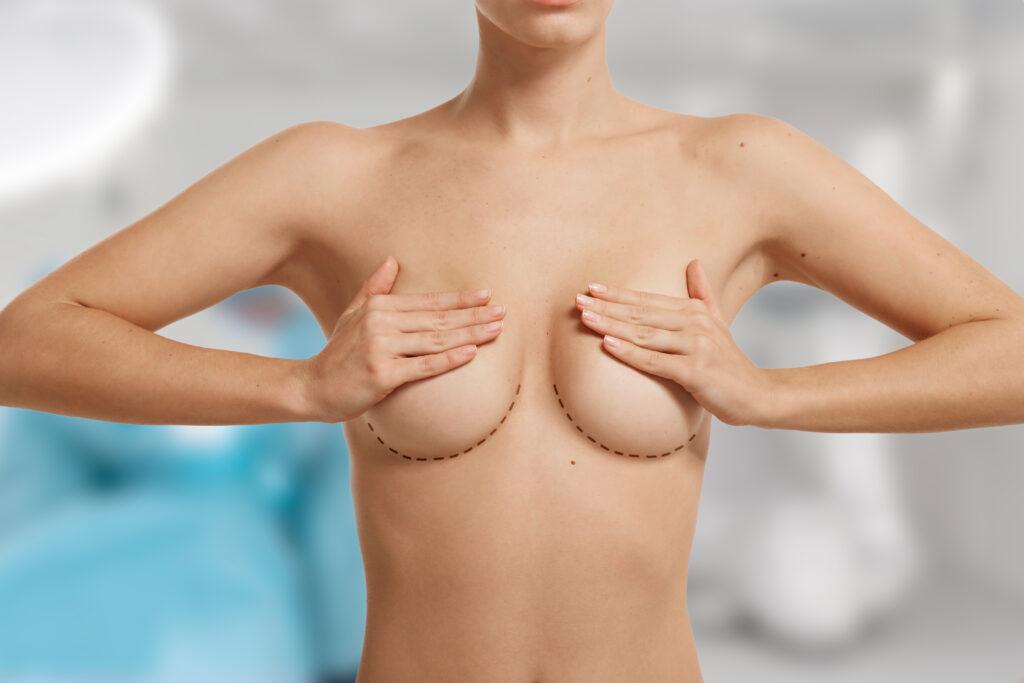
Breast augmentation is a popular cosmetic procedure for women who want to enhance breast volume, improve body proportions, or achieve a fuller and more balanced appearance. While implant size, shape, and material are important considerations, implant placement also plays a significant role in determining the final aesthetic outcome. The position of an implant in relation to the chest muscle and natural breast tissue can influence breast projection, upper-pole fullness, contour, and the overall appearance of the breasts.
For women considering Breast augmentation dubai, understanding the different implant placement techniques can help them make informed decisions during their consultation. The most suitable approach depends on several individual factors, including existing breast tissue, chest anatomy, skin elasticity, and personal aesthetic preferences.
At Cornerstone Clinic, breast augmentation planning focuses on individual proportions and desired outcomes. Rather than selecting an implant based on size alone, careful consideration of its placement helps create results that complement the patient's natural anatomy.
Understanding Breast Implant Placement
Breast implant placement refers to the position in which an implant is positioned within the breast area. Surgeons generally consider two primary approaches: placing the implant beneath the pectoral muscle or positioning it above the muscle but beneath the breast tissue.
Each technique creates a different relationship between the implant, natural breast tissue, and chest muscles. This relationship can affect how the breasts look, feel, and move.
The choice of placement is not simply a matter of personal preference. A patient with limited natural breast tissue may benefit from a different approach than someone who already has sufficient breast coverage. Similarly, women with different chest widths, breast shapes, and skin characteristics may require different surgical planning.
Understanding these differences is an important part of preparing for breast enhancement surgery.
Submuscular Implant Placement: Creating a Softer Breast Contour
Submuscular placement involves positioning the breast implant partially or completely beneath the pectoralis major muscle. This technique provides an additional layer of coverage over the upper portion of the implant.
One of the main aesthetic considerations with this approach is the transition between the upper chest and the breast. The muscle coverage can help create a more gradual contour, particularly in women who have relatively little natural breast tissue.
This placement may be considered when patients prefer a softer-looking upper breast rather than a more prominent implant outline.
Another important consideration is how the implant interacts with the surrounding tissues. Because the implant sits beneath the muscle, its upper portion receives additional coverage, while the lower portion is generally supported by breast tissue and the surrounding structures.
However, the final appearance depends on individual anatomy, implant characteristics, and the precise surgical technique. Submuscular placement does not automatically guarantee a natural result, but it can offer aesthetic advantages for selected patients.
Subglandular Implant Placement: Enhancing Upper Breast Fullness
Subglandular placement involves positioning the implant beneath the natural breast gland but above the pectoral muscle. This approach allows the implant to sit directly behind the existing breast tissue.
Because the muscle does not cover the implant, this technique can create more noticeable breast projection and upper-pole fullness, depending on implant size and shape.
Women who already have sufficient natural breast tissue may be suitable candidates for this placement because their existing tissue provides coverage over the implant.
Another characteristic is that the implant moves independently of the pectoral muscle. This can be an important consideration for women who regularly perform chest exercises or participate in activities involving significant upper-body movement.
However, the suitability of this approach depends on tissue thickness, breast anatomy, and the desired appearance. The surgeon must assess whether sufficient natural coverage is available to achieve a smooth and balanced contour.
How Implant Placement Changes Upper-Pole Fullness
Upper-pole fullness describes the amount of volume present in the upper portion of the breast, extending from the chest towards the nipple.
It is one of the most frequently discussed aesthetic goals during breast augmentation consultations. Some women prefer a gentle slope that follows their natural breast shape, while others want a fuller appearance in the upper breast.
Implant placement can influence this characteristic.
Submuscular placement may create a softer upper transition because the muscle provides additional coverage over the implant. This can be particularly relevant for patients with limited natural breast tissue.
Subglandular placement may provide more direct implant projection because there is no muscle covering the upper implant. However, the degree of fullness also depends on implant profile, dimensions, and the patient's existing tissue.
It is important to understand that implant placement alone does not determine upper-pole fullness. Selecting an appropriate implant and considering the patient's natural breast structure are equally important.
The Relationship Between Implant Placement and Breast Projection
Breast projection refers to how far the breasts extend forward from the chest wall. It contributes to the overall profile and can influence how breast enhancement looks from different angles.
Implant placement can affect the way projection appears by changing the relationship between the implant and surrounding tissues.
For example, an implant positioned above the muscle may create a more direct relationship with the natural breast tissue. An implant placed beneath the muscle may have a different upper contour because of the additional muscle coverage.
The implant's profile also plays an important role. A higher-profile implant generally provides greater forward projection relative to its base width, while a lower-profile implant distributes volume across a wider base.
When planning Breast augmentation dubai, the surgeon considers both placement and implant dimensions to achieve a result that suits the patient's chest measurements.
Choosing excessive projection without considering chest width and natural proportions may produce an appearance that does not complement the rest of the body. A balanced approach considers the breast from the front, side, and three-quarter angles.
How Existing Breast Tissue Influences Implant Placement
The amount and distribution of natural breast tissue are among the most important factors in deciding where an implant should be positioned.
Women with naturally fuller breasts may have enough tissue to provide adequate implant coverage above the muscle. In contrast, women with a smaller breast volume may require additional coverage to create a smoother contour.
Skin thickness also influences the decision. Thin skin and limited soft-tissue coverage can make implant edges more noticeable, particularly around the upper and outer breast.
During a consultation, the surgeon may assess:
- Existing breast volume and tissue distribution.
- Thickness of the natural breast tissue.
- Chest width and rib-cage proportions.
- Skin elasticity and available coverage.
- Position of the nipples and natural breast folds.
- Differences in breast size or shape.
These measurements help establish whether submuscular, subglandular, or another placement approach is appropriate.
Individual assessment is particularly important because two women choosing identical implants may achieve noticeably different results due to differences in their natural anatomy.
Implant Placement and Natural-Looking Breast Results
A natural-looking breast augmentation result involves more than increasing breast size. The breasts should complement the patient's overall proportions and maintain a balanced relationship with the chest and shoulders.
Implant placement contributes to this balance by influencing the breast's contour, fullness, and transition from the upper chest.
For some women, additional muscle coverage may help create a softer appearance. Others may have sufficient natural tissue to achieve their preferred shape with an implant positioned above the muscle.
The implant's shape and dimensions should also be considered. Round implants can provide a fuller appearance, while anatomical implants are designed with a more tapered upper contour. The suitability of each option depends on the patient's anatomy and surgical assessment.
A successful treatment plan considers the desired aesthetic outcome without relying on a single implant characteristic.
Patients should discuss their expectations clearly during consultation, including how much fullness they prefer, whether they want a subtle enhancement, and how they would like their breasts to look in clothing and everyday situations.
Does Implant Placement Affect Breast Movement?
Implant placement can influence how breast movement looks during physical activity and everyday movements.
When implants are positioned beneath the pectoral muscle, contraction of the muscle may sometimes cause temporary changes in breast shape or implant position. This is commonly known as animation deformity.
The degree of movement varies according to the surgical technique, muscle anatomy, implant characteristics, and individual healing.
With subglandular placement, the implant is not covered by the pectoral muscle, so muscle contraction generally has less direct influence on its position.
This difference may be relevant for women who regularly participate in strength training, weightlifting, or other activities involving the chest muscles.
However, physical activity is only one factor in the decision. The surgeon must also consider natural tissue coverage, aesthetic preferences, and long-term support when recommending implant placement.
Implant Placement, Breast Symmetry, and Body Proportions
Breast asymmetry is common, and many women naturally have differences in breast volume, nipple position, or breast fold height.
Breast augmentation planning should recognise these differences rather than assume both breasts have identical anatomical characteristics.
Implant placement may need to be adjusted according to the structure of each breast. In some cases, the surgeon may consider different implant dimensions or additional surgical adjustments to improve overall balance.
Chest wall shape can also influence symmetry. Differences in rib-cage structure or the position of the natural breast folds may affect how implants sit after surgery.
For patients seeking breast enhancement, the objective is generally to achieve a more harmonious appearance rather than perfect mathematical symmetry.
Careful measurements and personalised planning help establish realistic expectations about the results.
What Should Patients Consider When Choosing Implant Placement?
Selecting implant placement requires an individualised discussion between the patient and the surgeon. There is no single technique that is suitable for every woman.
Before recommending an approach, the surgeon considers the patient's anatomy, lifestyle, aesthetic goals, and available breast tissue.
Important considerations include:
Natural breast tissue: Patients with limited tissue coverage may require an approach that provides additional implant coverage.
Desired appearance: Women seeking a softer upper-breast transition may have different placement considerations from those preferring more prominent fullness.
Physical activities: Regular chest training and muscle-related activities may influence the discussion about implant position.
Chest dimensions: Implant width and projection should complement the patient's chest measurements.
Long-term aesthetic goals: The surgeon should consider how the selected implant and placement interact with the patient's existing tissue and skin characteristics.
During a consultation, patients should also discuss the differences between available implant types, expected recovery, and the factors that influence long-term appearance.
Understanding Breast Augmentation Cost in Dubai
The overall cost of breast augmentation can vary depending on the surgical approach, implant selection, clinical requirements, and individual treatment plan.
When researching Breast augmentation Cost in dubai, patients should understand that implant placement is only one part of the overall procedure. The total treatment plan may also involve surgeon fees, anaesthesia, operating facilities, preoperative assessments, and postoperative care.
The choice between submuscular and subglandular placement should be based on clinical suitability rather than price alone.
Other factors that may influence the cost include implant brand, implant material, surgical complexity, and whether additional procedures are required.
Patients should request a personalised treatment estimate after their consultation. This allows them to understand what is included in the proposed procedure and make a decision based on their individual needs.
Conclusion
Implant placement is an important part of breast augmentation because it influences breast contour, upper-pole fullness, projection, and the relationship between the implant and natural breast tissue. Submuscular placement provides additional muscle coverage, while subglandular placement positions the implant directly beneath the breast tissue and above the muscle.
Neither approach is universally better. The most appropriate technique depends on the patient's natural anatomy, tissue thickness, chest measurements, lifestyle, and desired aesthetic outcome.
For women considering Breast augmentation dubai, a detailed consultation at Cornerstone Clinic can help determine which implant placement approach is suitable for their goals. Understanding the available techniques and discussing realistic expectations are important steps towards achieving balanced, proportionate, and natural-looking breast enhancement results.
Frequently Asked Questions
1. Does implant placement affect the final appearance of breast augmentation?
Yes. Implant placement can influence upper-pole fullness, breast projection, contour, and how naturally the implant blends with existing breast tissue. The final appearance also depends on implant size, shape, profile, and individual anatomy.
2. What is the difference between submuscular and subglandular breast implants?
Submuscular implants are positioned beneath the pectoral muscle, providing additional coverage over the upper implant. Subglandular implants sit beneath the natural breast gland but above the muscle, allowing a more direct relationship between the implant and breast tissue.
3. Which implant placement creates a more natural-looking result?
Both approaches can produce natural-looking results when selected appropriately. Submuscular placement may provide a softer upper-breast transition in women with limited tissue coverage, while subglandular placement may be suitable for women with sufficient natural breast tissue.
4. Does implant placement affect upper-pole fullness?
Yes. Submuscular placement can create a more gradual upper-breast contour because of muscle coverage. Subglandular placement may provide more direct fullness, although implant profile, size, and existing breast tissue also influence the result.
5. Can breast implants move when the chest muscles contract?
Implants positioned beneath the pectoral muscle can sometimes move or change shape temporarily during muscle contraction. This is known as animation deformity. Implants above the muscle are generally less affected by chest muscle movement.
6. Is submuscular placement suitable for women with small breasts?
It may be suitable for women with limited natural breast tissue because the muscle provides additional coverage over the implant. However, the surgeon must assess tissue thickness, chest dimensions, and other anatomical factors before recommending this technique.
7. Does implant placement affect breast symmetry?
Yes. Implant placement can influence how implants sit within the breast and how they complement existing tissue. Patients with natural asymmetry may require individualised planning to achieve a balanced appearance.
8. How long does it take to see the final breast augmentation results?
Initial changes are visible after surgery, but swelling and tissue adjustments can affect the early appearance. Breast shape and implant position generally continue to settle over several months. The exact timeline varies between patients and depends on the surgical approach and healing process.
9. How do I choose the right implant placement in Dubai?
The right approach depends on natural breast tissue, skin elasticity, chest dimensions, lifestyle, and aesthetic preferences. A consultation with an experienced plastic surgeon helps determine which technique is appropriate for your anatomy and desired results.
10. Does breast augmentation cost in Dubai depend on implant placement?
The overall cost may vary according to the surgical technique, implant selection, surgeon's fees, anaesthesia, and facility requirements. Patients should request a personalised quotation to understand the costs associated with their treatment plan.

 English
 Arabic
 French
 Spanish
 Portuguese
 Deutsch
 Turkish
 Dutch
 Italiano
 Romaian
 Portuguese (Brazil)
 Greek
