


Salon Insurance Australia: Protect Your Beauty Business with Confidence
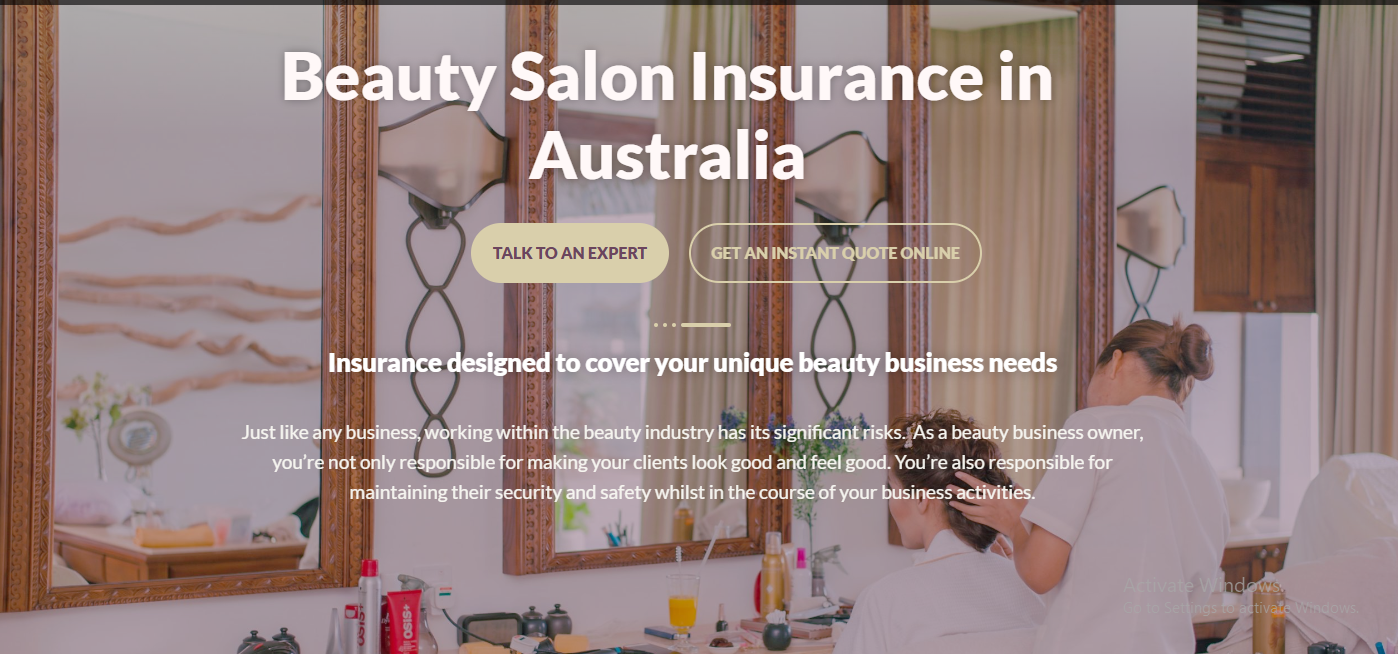
Salon Insurance: A Practical Guide to Protecting Your Beauty Business in Australia
Running a beauty salon is about more than providing excellent treatments and creating a welcoming environment. It also involves managing daily business responsibilities, maintaining hygiene standards and ensuring clients feel safe and comfortable throughout their experience. Whether you operate a hair and beauty salon, nail studio, skin clinic or independent beauty business, unexpected incidents can create financial and operational challenges.
This is where Salon Insurance becomes an important consideration. The right insurance protection can help business owners manage potential risks, safeguard their professional reputation and maintain greater confidence while delivering beauty services.
Why Is Salon Insurance Important?
Beauty professionals work closely with clients and use various products, equipment and treatment techniques. Even when appropriate care is taken, accidents and unexpected situations can happen.
For example, a client might experience an allergic reaction to a beauty product, slip on a wet salon floor or become dissatisfied with a treatment that causes an injury. Equipment damage, theft and unexpected property incidents can also interrupt normal business operations.
Without suitable insurance, these situations may result in significant out-of-pocket expenses.
Salon insurance helps address some of these financial risks, depending on the policy terms, exclusions and selected cover options.
What Does Beauty Salon Insurance Cover?
Insurance requirements differ depending on the nature, size and activities of a beauty business. Common types of cover worth considering include:
1. Public Liability Insurance
Public liability insurance is designed to help protect businesses against certain claims involving third-party injury or property damage arising from business activities.
For example, if a customer slips inside your salon and suffers an injury, they may make a compensation claim. Public liability cover can help with eligible legal costs and compensation, subject to policy conditions.
2. Professional Indemnity Insurance
Beauty treatments involve professional knowledge, advice and practical skills. Professional indemnity insurance may provide protection against certain claims alleging professional negligence, errors or omissions.
This can be particularly relevant for professionals providing skincare advice, cosmetic treatments and other specialised beauty services.
3. Property and Equipment Insurance
Salon owners depend on equipment, furniture, treatment beds, computers and specialised beauty tools to operate effectively.
Property insurance can help protect eligible business assets against insured events such as fire, theft or accidental damage, depending on the policy.
4. Business Interruption Insurance
Unexpected events can sometimes force a salon to temporarily close. Business interruption insurance may help cover certain financial losses and ongoing expenses during an insured interruption.
This can provide valuable support while the business works towards reopening.
Who Needs Salon Insurance?
Salon insurance is worth considering for a wide range of Australian beauty professionals, including:
- Hairdressers and hair salon owners.
- Beauty therapists and skincare specialists.
- Nail technicians and nail salon operators.
- Eyelash and eyebrow technicians.
- Makeup artists.
- Waxing and tanning professionals.
- Mobile beauty therapists.
- Cosmetic and specialised beauty service providers.
Even independent professionals working from home or renting treatment spaces should assess their insurance requirements.
How to Choose the Right Salon Insurance
Not every beauty business faces identical risks. Choosing appropriate insurance requires understanding your services, workplace arrangements and potential exposures.
Consider the following factors:
- Services offered: Make sure the policy covers the specific beauty treatments you provide.
- Client-related risks: Consider potential injuries, allergic reactions and treatment-related complaints.
- Business property: Assess the value of your equipment, furniture and other assets.
- Business location: Check whether your premises, rented workspace or mobile operations are appropriately covered.
- Policy exclusions: Read the exclusions, conditions, limits and excesses carefully.
- Future growth: Review your coverage when introducing new treatments, products or services.
Speaking with an experienced insurance professional can help you understand the available options and identify potential gaps in protection.
Practical Ways to Reduce Risks in Your Salon
Insurance is an important part of business protection, but preventing incidents should also remain a priority.
Beauty business owners can improve workplace safety by:
- Maintaining clean and hygienic treatment areas.
- Following appropriate product instructions and safety procedures.
- Checking equipment regularly.
- Keeping client consultation and treatment records.
- Discussing relevant allergies and sensitivities before treatments.
- Training employees in workplace safety and hygiene.
- Keeping floors clear and promptly cleaning spills.
These practices can help create a safer environment for clients, employees and business owners.
Frequently Asked Questions About Salon Insurance
1. Is salon insurance compulsory in Australia?
Not every type of salon insurance is legally compulsory for every beauty business. However, landlords, commercial agreements or professional arrangements may require particular insurance policies. Always check the requirements relevant to your business.
2. Does salon insurance cover independent beauty therapists?
Many insurance providers offer options for independent beauty professionals. However, eligibility and coverage depend on the treatments performed, business structure and individual policy conditions.
3. Does public liability insurance cover client injuries?
Public liability insurance may cover eligible claims involving third-party injuries arising from business activities. Coverage depends on the circumstances, exclusions and policy wording.
4. Can mobile beauty businesses get salon insurance?
Mobile beauty professionals may be eligible for business insurance designed around their activities. It is important to confirm that treatments performed at clients' homes or other locations are included.
5. How much does salon insurance cost?
The cost depends on several factors, including the services provided, business size, location, selected coverage limits, claims history and policy features. Comparing suitable options can help identify appropriate cover for your budget.
Protecting a beauty business requires more than providing quality treatments. It means preparing for unexpected situations, understanding potential liabilities and making informed decisions about financial protection. Salon owners looking to explore insurance options can learn more about Australian beauty salon insurance at http://sparrowinsurance.com.au/beauty-insurance/salon/beauty-salon/
Ultimately, the right salon insurance strategy can support long-term business stability, protect professional interests and help beauty entrepreneurs focus on delivering excellent client experiences with greater peace of mind.

 English
 Arabic
 French
 Spanish
 Portuguese
 Deutsch
 Turkish
 Dutch
 Italiano
 Russian
 Romaian
 Portuguese (Brazil)
