


Custom Stamps: Practical, Professional Solutions for Everyday Business Needs
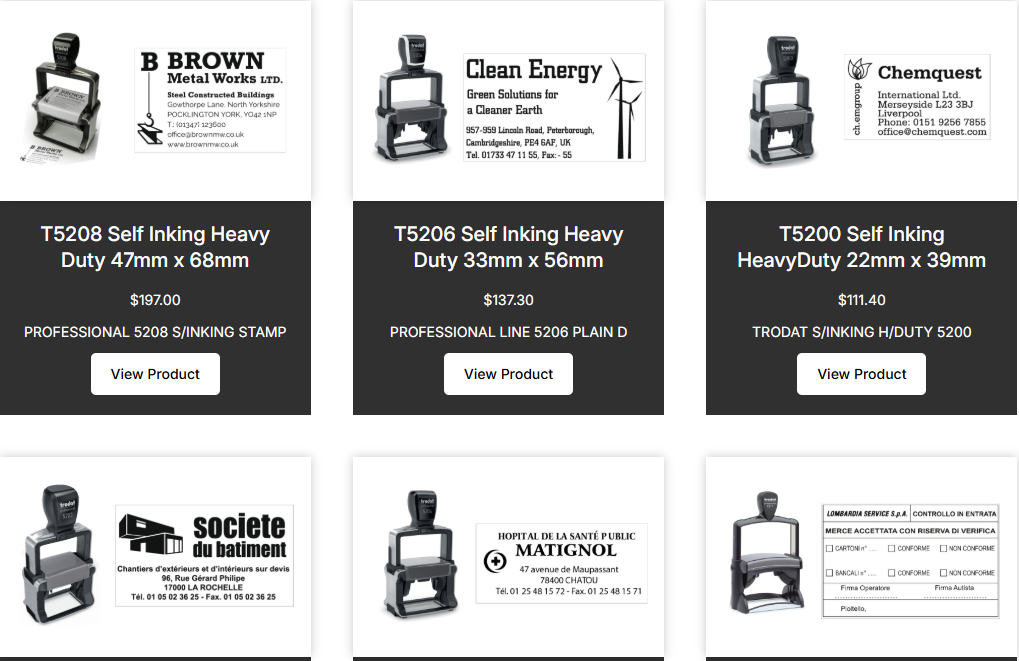
Custom Stamps: A Simple Way to Make Business Tasks Easier and More Professional
In today's fast-paced business environment, small improvements in everyday processes can make a significant difference. From managing paperwork to organising office supplies, businesses are constantly looking for practical ways to save time and maintain consistency. Custom stamps offer a straightforward solution for handling repetitive tasks while adding a professional touch to documents, packaging and other materials.
Whether used in a corporate office, retail store, warehouse or home-based business, personalised stamps can support a wide range of daily activities. They combine convenience, flexibility and functionality, making them a valuable addition to many workplaces.
What Are Custom Stamps?
Custom stamps are personalised stamping tools designed to display specific text, logos, symbols or other details. Unlike standard stamps with fixed designs, they can be created according to individual requirements.
Businesses can personalise their stamps with information such as:
- Company names and logos.
- Business addresses and contact details.
- Approved, received or paid messages.
- Dates and reference information.
- Signatures and authorised details.
- Special instructions and handling messages.
This flexibility makes custom rubber stamps suitable for businesses with different operational needs.
Why Businesses Use Custom Rubber Stamps
Office administration often involves repeating the same information across multiple documents. Writing everything manually can take additional time and may lead to inconsistencies.
Custom rubber stamps help simplify these activities.
1. Save Time on Repetitive Tasks
A personalised stamp makes it easier to reproduce frequently used information. Employees can mark invoices, forms, receipts and internal documents without repeatedly writing the same details.
2. Maintain Consistency
Using the same stamp across business documents helps maintain uniformity. Consistent wording, formatting and branding can make everyday paperwork look more organised.
3. Support Business Branding
A company logo or business name on packaging, correspondence and promotional materials can reinforce brand recognition. Customised stamps provide an accessible way to incorporate branding into routine business activities.
4. Improve Document Organisation
Stamps displaying messages such as "Paid", "Approved", "Received" or "Confidential" help employees identify important document statuses quickly.
Different Types of Custom Stamps for Everyday Use
Choosing the right stamp depends on how frequently it will be used and what information it needs to display.
Self-Inking Stamps
Self-inking stamps contain an integrated ink mechanism that automatically re-inks the stamp after each impression. They are particularly useful for offices and businesses that handle repetitive stamping tasks.
Traditional Rubber Stamps
Traditional rubber stamps require a separate ink pad. They offer flexibility when users want to change ink colours or use different pads for particular applications.
Business Logo Stamps
Logo stamps allow businesses to reproduce their branding on documents, envelopes, paper bags and packaging. They are useful for adding a personalised appearance to everyday business materials.
Date and Message Stamps
Date stamps and message stamps help businesses manage administrative processes. They can be used for recording received dates, marking approvals and identifying completed tasks.
How to Choose the Right Custom Stamp
Selecting an appropriate stamp involves considering its intended purpose rather than simply choosing the most attractive design.
Keep these factors in mind:
- Purpose: Decide whether the stamp is intended for branding, administration, document approval or packaging.
- Frequency of use: Self-inking options may be convenient for frequent stamping, while traditional stamps can suit occasional use.
- Design clarity: Choose readable fonts and avoid overcrowding the available stamping area.
- Size: Ensure the stamp accommodates all essential information without making the impression difficult to read.
- Ink requirements: Consider the surface being stamped and select compatible ink.
- Durability: Look for a suitable construction that can handle the expected level of everyday use.
A little planning before ordering can help ensure the finished product meets practical requirements.
Creative Ways to Use Personalised Stamps
Custom stamps are not limited to office paperwork. Their versatility makes them useful across different industries and personal projects.
Some practical applications include:
- Retail businesses: Add branding to shopping bags, packaging and customer receipts.
- Restaurants and cafés: Personalise takeaway packaging, loyalty cards and paper bags.
- Warehouses: Mark parcels and documents with handling instructions.
- Professional offices: Organise invoices, agreements and administrative forms.
- Craft businesses: Add unique designs to handmade products, gift tags and stationery.
- Educational settings: Mark worksheets, books and classroom materials.
These applications demonstrate how a simple stamping tool can support both practical operations and creative activities.
Designing a Stamp That Looks Professional
An effective stamp design should communicate information clearly. Including too many details can make the final impression difficult to read, particularly on smaller stamps.
For better results:
- Use simple, readable typography.
- Include only essential information.
- Select a suitable stamp size for the design.
- Ensure logos have sufficient clarity and contrast.
- Check spelling and layout before approving the final artwork.
For business branding, using consistent colours and visual elements across other marketing materials can also help create a recognisable identity.
Frequently Asked Questions
1. Can I create a custom stamp with my business logo?
Yes. Business logo stamps can be personalised with suitable artwork, allowing companies to add their branding to documents, packaging and other materials.
2. Are self-inking stamps better than traditional rubber stamps?
It depends on your requirements. Self-inking stamps are convenient for frequent use, while traditional rubber stamps offer flexibility with separate ink pads.
3. What information should I include on a business stamp?
Common details include a company name, logo, address, contact information or frequently used business messages. The best choice depends on the intended application.
4. Can custom stamps be used outside the office?
Absolutely. They can be useful for retail packaging, craft projects, product labels, educational activities and other creative applications.
5. How can I make my stamp design easier to read?
Choose clear fonts, avoid unnecessary information and select a stamp size that comfortably accommodates your design. Checking the artwork before production is also important.
For businesses and individuals looking for practical stamping solutions, exploring the available options at https://quickezy.com.au/custom-stamps/ can help identify suitable products for different everyday requirements.
Ultimately, custom stamps offer a convenient way to simplify repetitive tasks, improve organisation and add a personalised touch to business materials. With the right design and stamping solution, even small improvements can make everyday work more efficient and professional.

 English
 Arabic
 French
 Spanish
 Portuguese
 Deutsch
 Dutch
 Italiano
 Russian
 Romaian
 Portuguese (Brazil)
 Greek
