


Facility Management System Trends Saudi Businesses Should Know in 2027
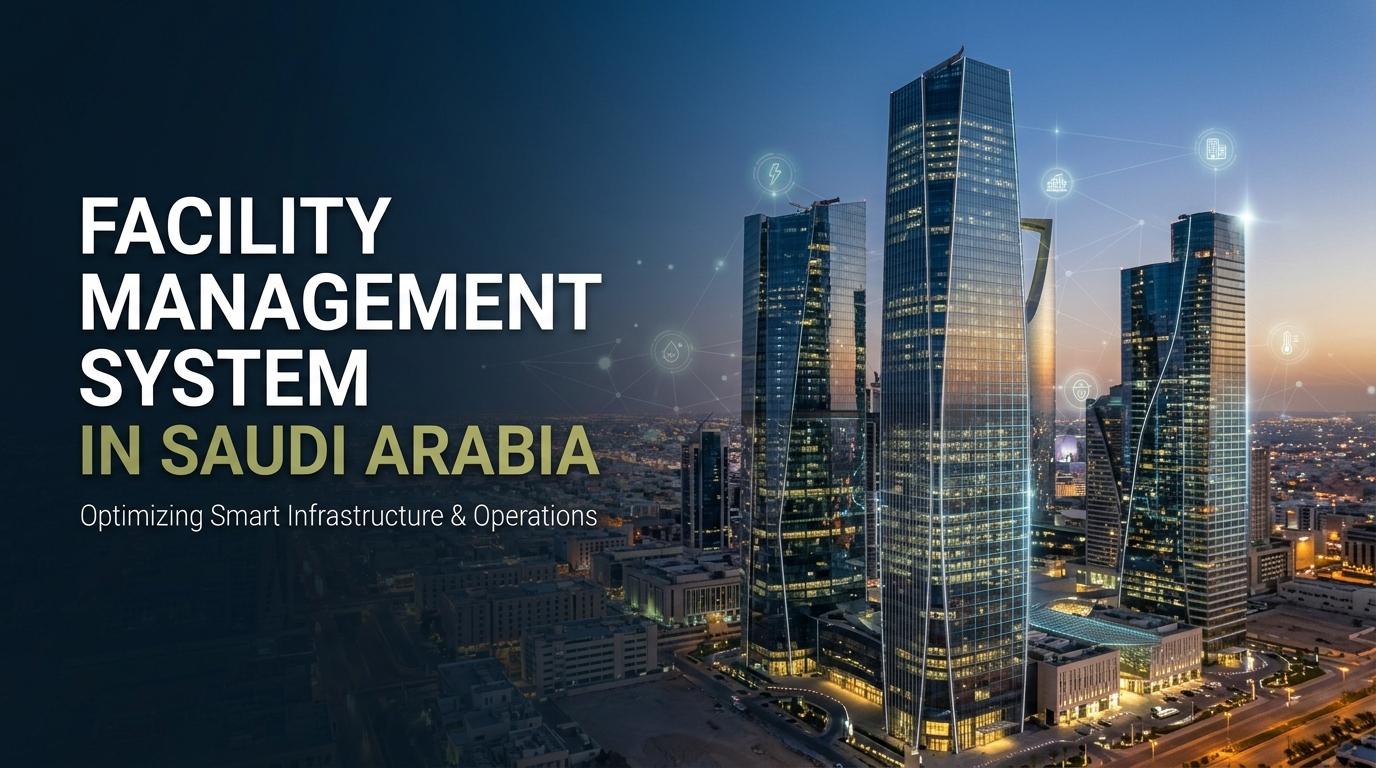
Managing a building involves much more than keeping its lights on, maintaining equipment, and responding to repair requests. Businesses need to monitor energy use, manage maintenance schedules, maintain comfortable working conditions, and make sure their facilities support daily operations. A Facility Management System In Saudi Arabia can help organizations bring these responsibilities together through connected digital tools and structured processes. As Saudi Arabia continues to develop its cities, commercial properties, industrial facilities, and major infrastructure projects, facility management is becoming more important. In 2027, businesses are likely to give greater attention to AI, IoT, predictive maintenance, smart buildings, and digital facility management to improve how their properties operate.
1. AI Will Help Facility Teams Make Better Decisions
Artificial intelligence is expected to play a larger role in facility management. Buildings generate a considerable amount of information through maintenance records, energy meters, equipment sensors, and service requests. Reviewing this information manually can be difficult, especially when a company manages several properties.
AI in facility management can help teams analyze operational data, identify unusual patterns, and highlight issues that may require attention.
For example, an office building may experience repeated air-conditioning complaints on a particular floor. An AI-supported system could review temperature readings, maintenance records, and service requests to help identify a possible cause. Facility managers can then investigate the issue and decide what action is appropriate.
AI may support facility operations through:
-
Identifying recurring equipment problems.
-
Analyzing maintenance and service records.
-
Highlighting unusual energy consumption.
-
Helping prioritize maintenance requests.
-
Supporting space and resource planning.
A 2026 KPMG Saudi Arabia technology report found that 87% of surveyed Saudi organizations were prioritizing or increasing investment in AI and automation. Although this figure covers technology investment across industries rather than facility management alone, it indicates the growing attention businesses are giving to these capabilities.
AI should still support, not replace, experienced facility professionals. Teams need to review recommendations and consider actual building conditions before making important operational decisions.
2. IoT Will Make Building Monitoring More Connected
The Internet of Things (IoT) allows physical devices and sensors to collect and share information. In facility management, these devices can help businesses monitor equipment, environmental conditions, occupancy, and energy consumption.
Instead of waiting for someone to notice a problem, facility teams can receive information from connected devices and investigate unusual readings.
For example, sensors installed in an HVAC system can monitor temperature, pressure, or equipment performance. If readings move outside expected operating ranges, the system may alert the maintenance team.
IoT in facility management can support:
-
Monitoring heating, ventilation, and air-conditioning systems.
-
Tracking electricity and water consumption.
-
Monitoring indoor temperature and air quality.
-
Identifying equipment performance changes.
-
Supporting occupancy and space management.
Saudi Arabia's growing portfolio of commercial buildings, hotels, hospitals, and large developments makes connected monitoring particularly relevant. However, businesses should choose sensors according to their actual operational needs. Installing devices without a clear purpose can increase costs and create more data than teams can reasonably manage.
3. Predictive Maintenance Will Reduce Unexpected Equipment Problems
Traditional maintenance often follows two approaches: repairing equipment after it fails or servicing it according to a fixed schedule. Both methods have their place, but they do not always reflect the actual condition of an asset.
Predictive maintenance uses equipment data and performance patterns to help estimate when maintenance may be needed.
For example, if a building's water pump begins showing unusual vibration or temperature readings, a monitoring system may highlight the change. The maintenance team can inspect the pump and determine whether repair or replacement is necessary before a breakdown occurs.
In 2027, predictive maintenance may become more common in facilities that depend on critical equipment, including:
-
HVAC and ventilation systems.
-
Elevators and escalators.
-
Electrical distribution equipment.
-
Water pumps and plumbing systems.
-
Generators and backup power systems.
This approach can help businesses plan maintenance around equipment conditions rather than relying entirely on fixed intervals. It may also reduce disruption when problems are identified early.
However, predictive maintenance requires reliable sensor data, suitable software, and qualified maintenance personnel. A system can highlight a possible issue, but technicians still need to inspect the equipment and confirm the required action.
4. Smart Buildings Will Connect Different Facility Systems
A smart building uses connected technologies to monitor and manage different building operations. These may include lighting, air conditioning, access control, security, elevators, and energy systems.
Traditionally, these functions may operate through separate controls or platforms. Smart building technology can connect selected systems and provide facility managers with a more complete view of building operations.
For example, an office building could use occupancy information to adjust lighting and cooling in areas that are not being used. A building management system may also provide a central interface for monitoring HVAC performance and other connected equipment.
Smart buildings can help businesses:
-
Monitor building systems from a central platform.
-
Manage lighting and cooling schedules.
-
Review occupancy patterns.
-
Identify equipment faults.
-
Improve energy management.
-
Support building security and access processes.
Saudi Arabia's major urban developments and infrastructure projects are creating demand for more advanced building operations. As these properties become more complex, connected management systems can help facility teams coordinate different services.
Businesses should make sure that connected systems are compatible and properly secured. A smart building is only useful when its technology works reliably and supports the people responsible for managing it.
5. Digital Facility Management Will Replace More Manual Processes
Many facility teams still rely on spreadsheets, paper forms, phone calls, and email to manage maintenance requests and inspections. These methods can work for smaller operations, but they become harder to manage as the number of buildings and service requests increases.
Digital facility management brings these activities into software platforms that help teams organize daily work.
A facility manager may use a digital platform to receive a maintenance request, assign it to a technician, set a deadline, and monitor its completion. The system can also maintain service histories and provide reports about recurring problems.
Common digital facility management features include:
-
Maintenance request management.
-
Work order scheduling.
-
Asset and equipment records.
-
Inspection checklists.
-
Contractor coordination.
-
Service performance reports.
-
Mobile access for technicians.
A 2025 report by PwC Middle East and the Saudi Facility Management Association examined digital maturity across Saudi Arabia's facility management sector. Its survey of more than 200 participants found that 37% used CAFM or CMMS systems, while 20% still relied on Excel, manual sheets, or paper-based logs. The report also found that digital maturity varied between different facility management functions.
These findings suggest that there is still room for businesses to improve how they manage operational information.
6. Energy Efficiency and Sustainability Will Influence Facility Operations
Energy consumption is a major consideration for buildings, particularly those that require regular cooling, ventilation, lighting, and water services.
Facility managers need to maintain comfortable conditions while avoiding unnecessary resource use. Digital tools can help them monitor consumption and identify areas where improvements may be possible.
For example, a hotel may use energy monitoring software to compare electricity consumption across different floors or operating periods. If a particular area consistently uses more energy than expected, the facility team can investigate the cause.
Facility management software may support sustainability efforts through:
-
Tracking electricity and water consumption.
-
Monitoring building energy performance.
-
Identifying unusual usage patterns.
-
Managing waste-related records.
-
Scheduling equipment maintenance.
-
Supporting environmental reporting.
For Saudi businesses, these practices are relevant to the Kingdom's wider focus on energy efficiency and sustainable development. However, software alone does not guarantee lower consumption. Businesses need to review the data, adjust operating practices, and maintain building equipment properly.
7. Mobile Applications Will Improve Communication With Facility Teams
Facility management work often takes place across different areas of a building or multiple properties. Technicians and supervisors may not always be near a desktop computer when a maintenance issue needs attention.
Mobile facility management applications allow authorized employees to access work orders, update task status, report problems, and review asset information through smartphones or tablets.
Imagine an employee reporting a leaking pipe in an office building. The facility team can receive the request, assign a technician, and provide updates without relying on several phone calls or paper forms.
Mobile solutions can support:
-
Maintenance requests from employees or tenants.
-
Work order updates from technicians.
-
Photographs of equipment or reported problems.
-
Inspection forms and checklists.
-
Notifications about assigned tasks.
-
Access to maintenance histories.
These applications can be particularly useful for facility management companies responsible for several sites. They help teams share information and maintain a clearer record of work completed.
The application should be easy to use and suitable for the employees who need it. Complicated forms and unclear instructions can reduce adoption.
8. Digital Twins Will Support More Detailed Building Management
A digital twin is a virtual representation of a physical building, asset, or system. Depending on its design, it can combine building information with operational data to help facility teams review performance and explore possible changes.
For example, a digital twin of a commercial building may include information about its layout, equipment, and selected building systems. Facility managers could use this information to examine how changes in occupancy, equipment performance, or operating schedules might affect the property.
Digital twins may support:
-
Reviewing building and equipment information.
-
Planning maintenance activities.
-
Examining possible operational changes.
-
Supporting asset lifecycle management.
-
Coordinating information between design and operations teams.
This technology may be especially useful for large and technically complex developments in Saudi Arabia. However, digital twins require accurate building information, ongoing updates, and appropriate technical expertise. They may not be necessary for every small facility.
What Saudi Businesses Should Consider Before Choosing Facility Management Software
Not every organization needs the same features. A hospital has different operational requirements from a shopping mall, hotel, warehouse, or office building.
Before selecting a Facility Management System In Saudi Arabia, businesses should identify their main challenges and decide which capabilities will provide practical value.
Here are some important points to review:
-
Maintenance management: Can the system schedule preventive maintenance and manage work orders?
-
Asset tracking: Can teams maintain accurate equipment records and service histories?
-
Reporting: Does it provide useful information about costs, service performance, and recurring problems?
-
Mobile access: Can technicians and supervisors use the platform while working on-site?
-
Integration: Can it connect with building management systems, sensors, and existing business software?
-
Security: Does it provide suitable access controls and protection for operational data?
-
Scalability: Can it support additional properties, users, and equipment as the business grows?
Businesses should also consider employee training and implementation costs. A system may offer many advanced features, but it will not provide much value if employees cannot use it properly.
Preparing for the Future of Facility Management in Saudi Arabia
The facility management sector in Saudi Arabia is moving towards more connected, data-supported, and performance-focused operations. AI, IoT, predictive maintenance, smart buildings, and digital twins are likely to influence how businesses manage their properties in 2027.
These changes are also part of a wider shift in how organizations view facility management. PwC and the Saudi Facility Management Association's research highlights a move away from treating FM only as an operational support function towards managing asset performance and long-term value.
For businesses, the next step is not simply to adopt every new technology. They should identify the problems that affect their buildings, choose suitable digital tools, and make sure their employees can use them effectively.
A well-planned facility management system can help organizations maintain equipment, coordinate services, monitor resources, and make better operational decisions. When technology supports clear processes and skilled teams, businesses can manage their facilities more reliably and prepare for future operational demands.

 Arabic
 French
 Spanish
 Portuguese
 Deutsch
 Turkish
 Dutch
 Italiano
 Russian
 Romaian
 Portuguese (Brazil)
 Greek
