


How Smart Locker Systems Improve Security and Convenience in Saudi Arabia
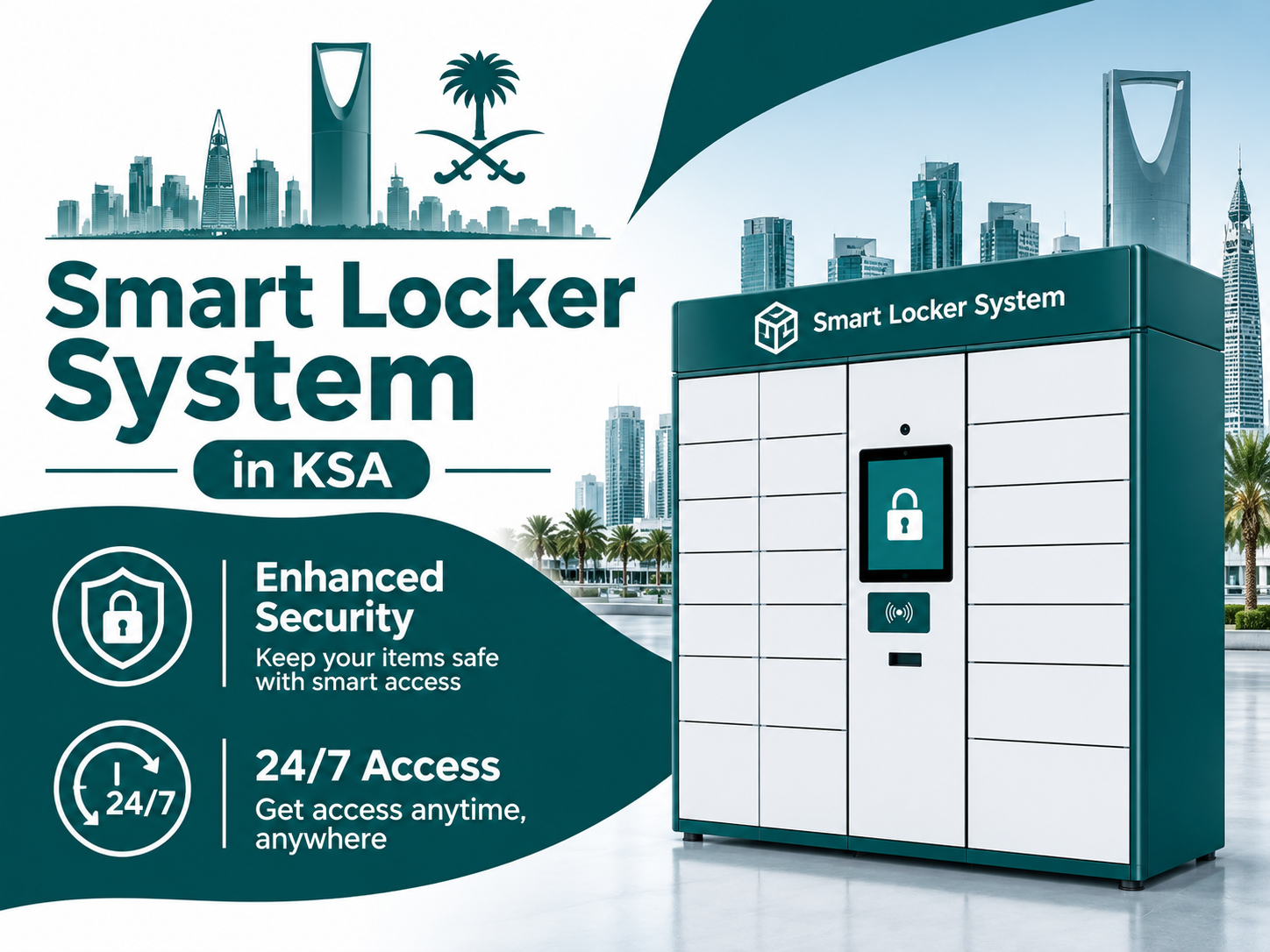
A modern Smart Locker System improves security and convenience at the same time, which is why Saudi organizations are adopting it so quickly. Parcels, documents, devices and personal belongings are held in compartments that open only for the right person at the right time, with every opening recorded and no queue at a reception desk.
This article explains how smart lockers raise security, how they simplify daily life for users and staff, how they serve schools, banks and hospitals, and what to check on privacy, cybersecurity and vendor selection in the Kingdom. It reflects the practical approach of Tektronix, a technology provider that delivers smart storage and security technology for demanding enterprises.
The Saudi Context: Growing Demand for Smarter Handover
Saudi Vision 2030 is accelerating digital services, tourism, logistics and urban development. Online retail is expanding, hybrid working has changed how offices use space, and hospitals, universities and banks are expected to serve more people with the same teams. Every handover of a parcel, a laptop or a document used to need a person, a signature and a wait. Automation removes that dependency and lets staff focus on higher value work.
Manual routines also create exposure. Keys are copied or lost, shared storage rooms have no record of who took what, parcels sit on open counters, and handwritten registers are slow and easy to falsify. Self-service lockers close those gaps by assigning each compartment to a verified user for a defined period and recording every event.
How a Locker Platform Improves Security
Identity Based Access and Audit Trails
Every opening is tied to a verified identity or a one-time code and a timestamp. Compartments are assigned only for the required period, valuable items can require dual authorisation, and administrators can remove access instantly when roles change. When something goes missing, investigators review a clean audit trail rather than a paper log.
Hardware and Monitoring
A dependable Electronic Locker System combines steel or powder coated cabinets, electronic locks, door sensors, a control unit and a touchscreen or reader. Tamper, forced door and door left open alerts reach administrators immediately, and integration with video surveillance attaches an image to sensitive events. For the Saudi climate, hardware should tolerate heat, dust and humidity, with models rated for the location.
Strong Authentication Options
Where assurance matters most, facial verification confirms that the person standing at the cabinet is the person assigned to it, and liveness checks help block photographs and screens. A non-biometric alternative can be offered for users who prefer it, and administrators should limit biometric use to areas that truly need it.
How a Locker Platform Improves Convenience
Simple Access for Everyone
QR Code Smart Locker Access is the easiest way to serve couriers, visitors and occasional users. The person receives a one-time code by message or app, scans it at the cabinet and the right compartment opens in seconds, with no registration and no card to carry. Staff and regular users can also use PINs, cards or smartphone credentials, and instant alerts remove the need to call or visit a desk.
Round the Clock Service
Lockers never close. A courier can drop a parcel at midnight, an employee can collect it after a late shift and a student can return equipment on a weekend. Interfaces in Arabic and English, clear icons and sensible screen height help users with different languages and abilities, and contactless opening supports hygiene in busy public spaces.
Central Control and Integration
Behind the cabinet sits a central management platform that assigns compartments, sets time limits, sends notifications and logs every event. Open interfaces let lockers connect with access control, visitor management, human resources, ticketing and logistics systems, so alerts and assignments are created automatically. Dashboards show peak times, dwell times and uncollected items to guide staffing and layout.
Sector Use Cases
Education
Smart Lockers for Schools give students a safe place for bags, devices and sports kit, reduce theft and corridor clutter, and let teachers lend and recover equipment with a clear record. Universities such as King Saud University and King Abdulaziz University can use them for exam day belongings and shared laptops, while schools under Ministry of Education guidance should keep data collection minimal and any biometric option strictly optional.
Banking and Financial Services
Smart Lockers for Banks support after hours collection of cards and cheque books, secure document exchange with customers and couriers, controlled storage of staff devices and keys, and branch equipment control. Every withdrawal is tied to a named person and a timestamp, which suits the audit expectations of institutions regulated by the Saudi Central Bank, especially in districts such as the King Abdullah Financial District.
Healthcare
A Smart Locker for Hospital environment protects staff belongings, holds portable medical equipment, supports secure handover of items between departments and reduces time spent searching for devices. Large institutions such as King Faisal Specialist Hospital and Research Centre and King Fahad Medical City serve thousands of staff and visitors each day, and touchless opening helps infection control policy.
Privacy, Cybersecurity and Compliance in the Kingdom
A locker is a connected device, so it must be secured like one. Look for encrypted communication, signed firmware updates, role-based administration, strong authentication for administrators and complete audit logs, with network segmentation to keep lockers away from sensitive business systems. Where biometrics or personal contact details are used, templates should be protected, retention limited and users informed.
The Saudi Personal Data Protection Law, issued by Royal Decree M/19 of 2021 and overseen by the Saudi Data and AI Authority, sets expectations for consent, purpose, security and retention. The National Cybersecurity Authority publishes the Essential Cybersecurity Controls, and financial institutions follow the Saudi Central Bank cybersecurity framework. Alignment with ISO/IEC 27001 gives security teams a recognised review framework. Always confirm final obligations with legal and technical advisers.
Meeting Local Needs across the Kingdom
A well-planned Smart Locker System KSA project must support Arabic and English, a multinational workforce, high temperatures at exterior doors and consistent management across several cities. In the capital, a Smart Locker System Riyadh design should handle dense office districts, large campuses and fast-growing developments where tenants change quickly. On the Red Sea coast, a Smart Locker System Jeddah approach must cope with humid, salt laden air and serve hotels, hospitals, universities and businesses around the Jeddah Islamic Port.
A Practical Implementation Roadmap
- Define the use case: parcels, student storage, bank collection, staff devices or a mix of these.
- Survey the site: choose locations with power, network, shade, passing traffic and clear escape routes.
- Size the compartments: select a realistic mix of small, medium and large units.
- Select access methods: combine one-time codes, PIN, card, mobile and optional facial verification.
- Plan integration: connect to access control, visitor management, HR and logistics tools.
- Pilot and scale: install a small bank, gather feedback, tune rules and roll out in phases with training.
Why Organizations Choose Tektronix
Experience: Tektronix supports enterprise customers in Saudi Arabia on identity and security technology, and that field exposure shapes practical choices about hardware placement, access methods and user workflows.
Expertise: TekLocker brings electronic locking, flexible access methods and central management together, backed by engineers who understand hardware, networks and software, and who design around how people actually use storage.
Authoritativeness: designs reference ISO/IEC 27001 for information security, the Saudi personal data law for privacy and national cybersecurity controls, so consultants and compliance officers can review the solution against familiar benchmarks.
Trust: a clear scope, a pilot installation and transparent support terms let decision makers see real results before full rollout. To begin, request a demonstration and test the workflow against your own handover needs.
Conclusion
A modern Smart Locker System improves security and convenience in the same installation. TekLocker combines an Electronic Locker System with simple QR Code Smart Locker Access for staff, visitors and couriers. Smart Lockers for Schools, Smart Lockers for Banks and a Smart Locker for Hospital each solve different handover problems with one platform. Every Smart Locker System KSA project, including Smart Locker System Riyadh and Smart Locker System Jeddah deployments, should prioritize privacy, rugged hardware and Arabic support. To see the benefits in your own building, contact Tektronix and plan a pilot today.

 English
 Arabic
 French
 Spanish
 Portuguese
 Deutsch
 Dutch
 Italiano
 Russian
 Romaian
 Portuguese (Brazil)
 Greek
