


Why Do Promising Drugs Fail? The Science Behind Drug Development
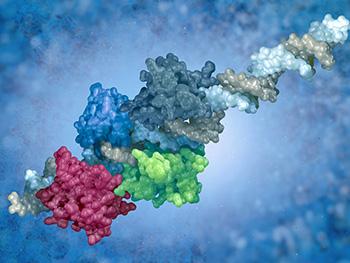
Every year, scientists discover compounds that show remarkable potential in laboratory experiments. Some can destroy cancer cells, block harmful enzymes, or interfere with disease-causing microorganisms. Yet many promising compounds never become approved medicines.
Why does something that works in a laboratory sometimes fail when tested in a living organism?
The answer often lies in what happens after a drug enters the body. Its journey involves absorption, distribution, metabolism, and elimination. Understanding these processes helps researchers determine whether a promising discovery has the potential to become a practical treatment.
A Drug's Journey Through the Human Body
Imagine developing a substance that can effectively block a protein involved in a disease. Under controlled laboratory conditions, the compound performs exactly as expected.
However, when administered to an organism, several challenges can arise.
The substance might be poorly absorbed, broken down too quickly, or unable to reach the tissues where it is needed. Alternatively, it could remain in circulation longer than intended, potentially increasing the risk of adverse effects.
Scientists investigate these challenges through a field called drug metabolism and pharmacokinetics (DMPK).
Understanding what DMPK is and how it works helps explain why a compound's biological activity is only one part of successful drug development.
Four fundamental processes shape a drug's journey:
Absorption: How a drug enters the bloodstream following administration.
Distribution: How the drug moves between blood, organs, and tissues.
Metabolism: How enzymes and other biological processes transform the drug.
Excretion: How the body removes the drug and its metabolites.
Together, these processes are commonly described as ADME.
By studying ADME, researchers can identify problems that may otherwise remain hidden until later stages of development.
Why More Drug Does Not Always Mean Better Results
It might seem logical that increasing a drug's dose should produce a stronger therapeutic effect. However, the relationship between dose and response is rarely that simple.
A drug must generally reach sufficient concentrations at its site of action to produce the intended effect. At the same time, excessive exposure may increase the risk of toxicity.
This is where pharmacokinetics (PK) and pharmacodynamics (PD) become particularly important.
Pharmacokinetics describes how the body affects a drug, including how its concentration changes over time.
Pharmacodynamics describes how the drug affects the body, including its biological activity and concentration-response relationships.
The relationship between DMPK and PK/PD helps scientists understand why drug exposure and biological response must be evaluated together.
Consider a hypothetical antibiotic. Laboratory testing may demonstrate that the compound inhibits bacterial growth, but its effectiveness in a living organism also depends on whether adequate drug concentrations reach the infection site.
Different antibiotics may depend on different exposure-related measures, such as peak concentration, overall exposure, or the time that concentrations remain above a relevant threshold.
Understanding these relationships helps researchers investigate dosing strategies while considering both effectiveness and safety.
The Challenge of Moving From Animals to Humans
Before a potential medicine can be evaluated in people, researchers usually collect evidence from laboratory and nonclinical studies.
Animal studies can provide valuable information about how a compound behaves in a complex biological system. However, animals and humans differ in enzyme activity, physiology, transport proteins, and other factors affecting drug exposure.
A compound that is rapidly eliminated in one species may remain in another species for a much longer period.
This creates a major challenge: researchers cannot simply assume that an effective animal dose will produce the same results in humans.
The role of DMPK in clinical drug development includes helping researchers interpret these differences and investigate how nonclinical findings may inform human pharmacokinetic predictions.
Scientists may use several complementary approaches, including:
Comparing drug metabolism across species
Investigating drug concentrations over time
Identifying metabolites and potential drug interactions
Applying mathematical and physiologically based pharmacokinetic models
Combining pharmacokinetic predictions with toxicology and pharmacology data
These approaches help inform clinical development decisions. However, no single model can fully predict human responses, and first-in-human dose selection requires a broader evaluation of the available evidence.
How Technology Is Changing Drug Research
Modern technologies are making it possible to examine drug behavior earlier and in greater detail.
Analytical methods such as liquid chromatography coupled with tandem mass spectrometry (LC-MS/MS) can measure drug concentrations in biological samples.
Computer-based modeling can help researchers explore potential exposure patterns before conducting certain experiments.
Meanwhile, organ-on-a-chip systems and other advanced laboratory models are being investigated as ways to reproduce selected aspects of human tissue physiology.
Artificial intelligence and machine learning also offer opportunities to identify patterns in chemical structures, metabolic pathways, and pharmacokinetic datasets.
Nevertheless, predictions depend on the quality of the underlying data and the suitability of the models. Experimental validation remains essential.
Rather than replacing established research methods, these technologies can complement them and help scientists make better-informed decisions.
Why Understanding Drug Behavior Matters
The development of a new medicine is not simply about finding a molecule that produces a useful biological effect.
Researchers must also understand whether that molecule can reach the right location, remain active for an appropriate period, and avoid unacceptable risks.
By connecting laboratory discoveries with the realities of human physiology, drug metabolism and pharmacokinet

 English
 Arabic
 French
 Spanish
 Portuguese
 Deutsch
 Turkish
 Dutch
 Italiano
 Russian
 Romaian
 Portuguese (Brazil)
