


Physio Drovers: Personalised Physiotherapy with Paul
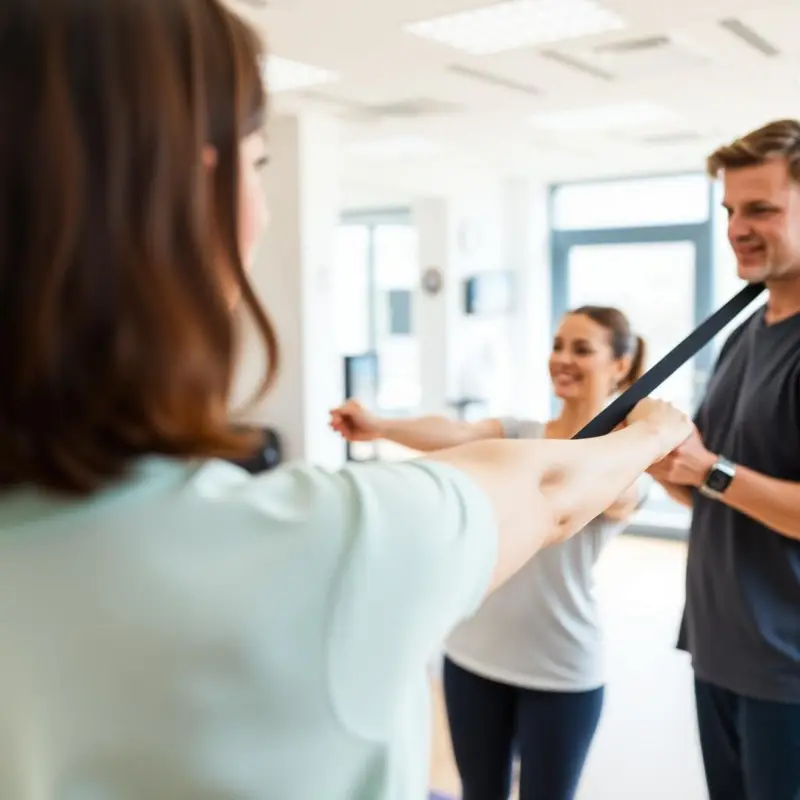
Physio Drovers: Helping You Move Better with Personalised Physiotherapy
Staying active and maintaining a healthy lifestyle are important for overall well-being. However, muscle pain, joint injuries and movement difficulties can sometimes make everyday activities challenging. Whether you are recovering from an injury, managing ongoing discomfort or working towards better physical function, professional physiotherapy can play an important role in your recovery journey.
Finding the right physiotherapist involves more than simply addressing physical symptoms. It means working with someone who understands your goals, considers your individual needs and develops a practical treatment plan to support lasting improvements. For people exploring Physio Drovers, Paul's approach to musculoskeletal physiotherapy offers an example of how personalised, evidence-based care can make a difference.
Understanding the Importance of Physiotherapy
Physiotherapy focuses on improving movement, managing pain and restoring physical function. It can help people experiencing a wide range of musculoskeletal concerns, from sports-related injuries to everyday aches and mobility restrictions.
A well-planned physiotherapy programme may incorporate several treatment approaches, including:
- Manual therapy: Hands-on techniques designed to address movement restrictions and support physical comfort.
- Movement training: Exercises that improve coordination, mobility and movement control.
- Rehabilitation exercises: Individualised activities that help rebuild strength and functional capacity.
- Patient education: Practical guidance to help individuals understand their condition and manage their recovery.
- Preventive strategies: Advice and exercises that support long-term physical health.
The most suitable treatment depends on the individual's symptoms, physical abilities and recovery objectives.
Meet Paul: A Patient-Centred Physiotherapist at Drovers
Paul is a hardworking and motivated physiotherapist working with the Crest Physio team at Drovers and Mindarie. His particular interest lies in musculoskeletal physiotherapy and helping patients return confidently to the activities they enjoy.
After graduating from Curtin University, Paul developed a strong clinical foundation through placements in private practice and hospital environments. These experiences helped him refine his practical treatment skills, clinical reasoning and understanding of holistic, patient-centred healthcare.
Paul believes that successful rehabilitation involves understanding the person behind the injury. Rather than focusing exclusively on symptoms, he works collaboratively with patients to identify meaningful goals and develop individualised treatment strategies.
His approach places importance on communication, education and active participation throughout the rehabilitation process.
Evidence-Based Physiotherapy and Individualised Rehabilitation
One of Paul's strengths is his interest in connecting research with practical patient care.
During his university studies, he participated in an honours research project investigating ways to increase healthcare engagement among indoor rock climbers experiencing upper limb injuries.
This experience strengthened his understanding of evidence-based practice and the importance of making healthcare information relevant and accessible.
For patients, evidence-based physiotherapy means treatment decisions are informed by current research, professional expertise and individual circumstances.
Paul incorporates several elements into his rehabilitation approach:
1. Understanding Individual Goals
Every patient has different priorities. Someone might want to return to recreational sport, while another person may simply wish to walk comfortably or complete everyday tasks without discomfort.
Understanding these objectives helps guide a more relevant treatment plan.
2. Improving Movement Control
Movement control is an important part of functional rehabilitation. Appropriate exercises can help individuals develop better coordination, stability and confidence when performing physical activities.
3. Incorporating Manual Therapy
Manual therapy may form part of a broader treatment programme when appropriate. It can be combined with movement-based rehabilitation and patient education to address specific physical concerns.
4. Encouraging Long-Term Outcomes
Recovery should extend beyond temporary symptom management. Developing sustainable exercise habits, understanding physical limitations and learning effective self-management strategies can support continued progress.
Who Can Benefit from Musculoskeletal Physiotherapy?
Musculoskeletal physiotherapy may benefit people experiencing different types of muscle, joint and movement-related concerns.
These can include:
- Sports injuries and activity-related discomfort.
- Shoulder, elbow and wrist problems.
- Back and neck pain.
- Muscle strains and joint stiffness.
- Reduced mobility and movement difficulties.
- Challenges returning to exercise after an injury.
An initial physiotherapy assessment helps establish whether treatment is appropriate and which rehabilitation strategies may be beneficial.
It is important to remember that every injury is different. Treatment should always be adapted to the individual's assessment findings, health circumstances and personal goals.
Building Confidence Beyond the Treatment Room
A successful rehabilitation experience involves more than attending appointments. Understanding your body and learning how to manage physical challenges independently are equally important.
Paul's emphasis on education and collaborative care encourages patients to become active participants in their recovery.
His personal interest in fitness and sport also gives him an appreciation of the physical demands associated with staying active. Outside his professional responsibilities, Paul enjoys going to the gym, playing volleyball and badminton, as well as taking road trips to Dunsborough with friends and family.
These interests reflect his enthusiasm for an active lifestyle and his understanding of how important movement can be to everyday enjoyment.
Choosing Physio Drovers for Your Rehabilitation Journey
When considering physiotherapy, look for a practitioner who listens carefully, explains treatment options and recognises that recovery is not the same for everyone.
A patient-centred approach should include clear communication, realistic goals and regular consideration of progress.
Paul's background, musculoskeletal interests and commitment to evidence-based rehabilitation provide a valuable foundation for individuals looking to improve their movement and return to meaningful activities.
To learn more about Paul's professional background, treatment approach and availability, visit https://crestphysio.com.au/team/paul
Taking the first step towards better movement can help you work towards a more active and confident lifestyle. With appropriate guidance, individualised rehabilitation and consistent effort, physiotherapy can support meaningful progress at every stage of recovery.
Frequently Asked Questions
1. What does a physiotherapist do?
A physiotherapist assesses movement-related problems and develops treatment plans to help manage pain, improve mobility, restore physical function and support rehabilitation.
2. What conditions can musculoskeletal physiotherapy address?
It may help with muscle strains, joint problems, sports injuries, back pain, neck discomfort and movement restrictions. Treatment suitability depends on an individual's assessment.
3. What makes a personalised physiotherapy programme important?
Everyone has different symptoms, physical abilities and recovery goals. Personalised treatment helps ensure exercises and rehabilitation strategies are relevant to the individual's needs.
4. Why is patient education important during rehabilitation?
Patient education helps individuals understand their condition, participate in treatment decisions and develop practical strategies for managing their physical health.
5. How can I prepare for my first physiotherapy appointment?
Consider bringing relevant medical reports, previous imaging results and information about your symptoms. Be prepared to discuss when the problem started, what makes it better or worse and which activities you want to return to.

 English
 Arabic
 French
 Spanish
 Portuguese
 Deutsch
 Turkish
 Dutch
 Italiano
 Russian
 Portuguese (Brazil)
 Greek
