


10 Everyday Habits That Can Help You Feel Less Stressed and More Balanced
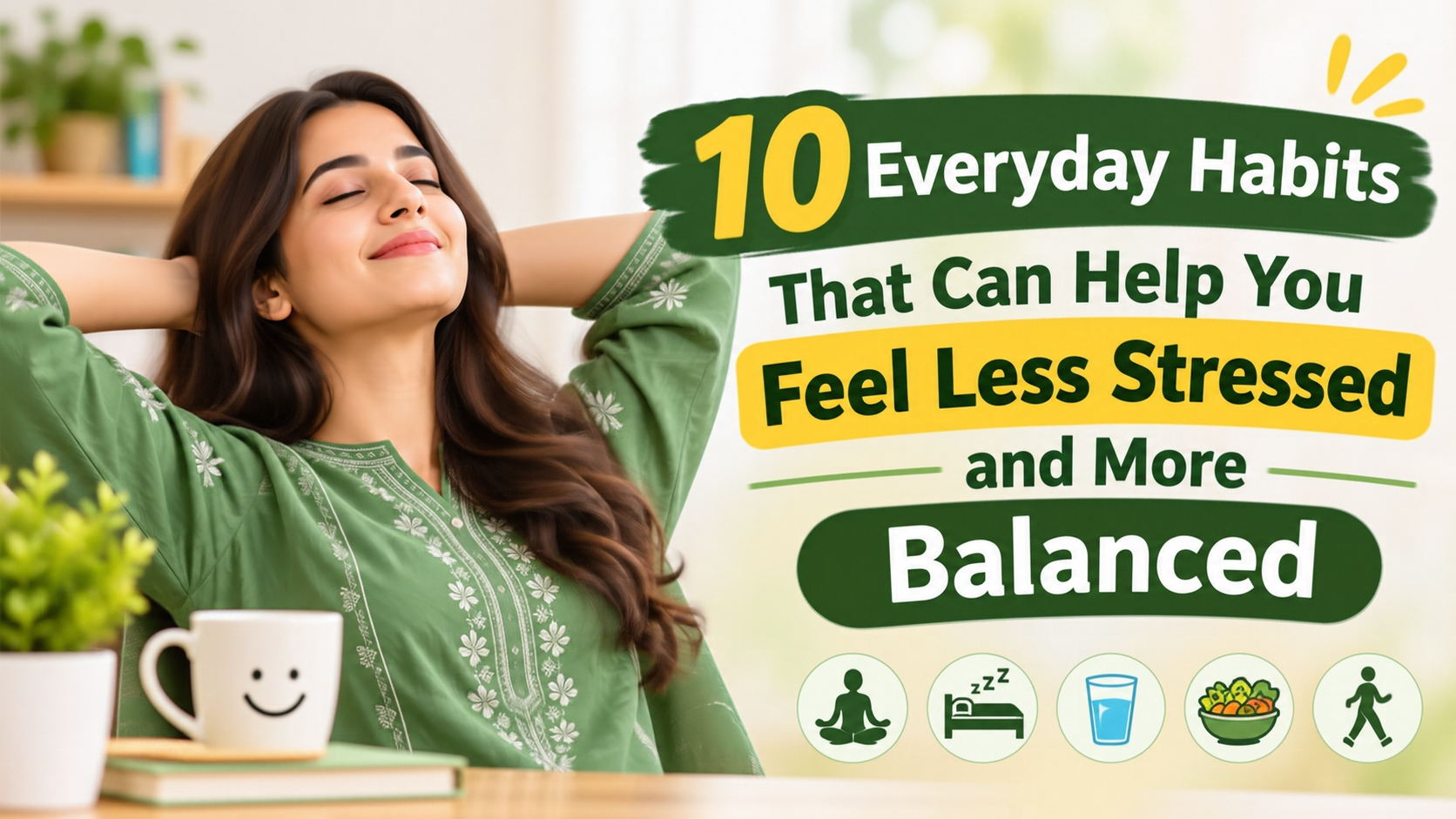
Modern life can be demanding. Between work responsibilities, family commitments, financial pressures, and digital distractions, many people struggle to find time to relax. Stress is a natural response to challenging situations, but when it becomes part of everyday life, it can affect sleep, concentration, relationships, and overall well-being.
The good news is that managing stress does not always require major lifestyle changes. Small, consistent habits can make everyday challenges easier to handle. From improving sleep to spending more time outdoors, simple adjustments can help create a healthier balance between responsibilities and personal well-being.
1. Start Your Morning Without Rushing
The way you begin your morning can influence the rest of your day. Waking up late, immediately checking notifications, and rushing through breakfast can create unnecessary pressure.
Try waking up a little earlier and giving yourself time to prepare for the day. Drink a glass of water, stretch gently, and think about your priorities.
A calm morning routine can help you feel more organized and prepared to handle unexpected challenges.
2. Make Physical Activity Part of Your Routine
Exercise is one of the most accessible ways to support emotional well-being. Physical activity encourages the release of chemicals associated with improved mood and can help reduce tension.
You do not need an expensive gym membership or an intense workout schedule. Consider activities such as:
-
Walking for 20–30 minutes.
-
Cycling around your neighborhood.
-
Practicing yoga or stretching.
-
Dancing to your favorite music.
-
Gardening or doing household activities.
Consistency matters more than intensity. Choose an activity you genuinely enjoy so that staying active becomes easier.
3. Practice Deep Breathing
When people feel overwhelmed, their breathing can become faster and shallower. Taking a few moments to slow down your breathing may help your body relax.
Try this simple exercise:
-
Sit comfortably and relax your shoulders.
-
Breathe in slowly through your nose.
-
Exhale gently without forcing your breath.
-
Repeat for several minutes.
Deep breathing is convenient because it can be practiced at home, during work breaks, or before bedtime.
4. Improve Your Sleeping Habits
Poor sleep and everyday stress can influence each other. When you do not sleep well, ordinary responsibilities may feel more difficult.
Develop a consistent bedtime routine by:
-
Going to bed at approximately the same time.
-
Reducing screen exposure before sleeping.
-
Keeping your bedroom comfortable and quiet.
-
Avoiding excessive caffeine late in the day.
-
Allowing enough time for rest.
Most adults need around seven to nine hours of sleep each night. Better sleep habits can support concentration, mood, and everyday functioning.
5. Spend More Time Outdoors
Spending time outside can provide a refreshing break from work, household responsibilities, and digital screens.
A short walk in a park, sitting in a garden, or enjoying fresh air on your balcony can help you step away from daily distractions.
Try combining outdoor time with gentle physical activity. Even a short walk can give you an opportunity to clear your mind and return to your responsibilities with a fresh perspective.
6. Maintain a Balanced Diet
Food plays an important role in maintaining physical health and supporting overall well-being. Skipping meals, relying heavily on processed snacks, and consuming too much caffeine may leave you feeling tired or uncomfortable.
Build a balanced eating routine that includes:
-
Fresh seasonal fruits.
-
Green vegetables.
-
Whole grains.
-
Nuts and seeds.
-
Protein-rich foods.
-
Adequate water throughout the day.
Avoid treating food as the only solution to emotional stress. Instead, focus on nourishing your body consistently and maintaining healthy eating habits.
7. Reduce Unnecessary Screen Time
Constant notifications, social media updates, and endless scrolling can make it difficult to disconnect mentally.
Consider setting boundaries around technology. For example, avoid checking your phone during meals, silence unnecessary notifications, and establish a screen-free period before bedtime.
You can replace excessive screen time with reading, walking, cooking, or spending quality time with family.
These small changes can create more opportunities for relaxation and meaningful activities.
8. Make Time for Activities You Enjoy
Everyday responsibilities can easily take over your schedule. However, personal interests and hobbies are important parts of a balanced lifestyle.
Consider making time for activities such as:
-
Reading a book.
-
Painting or drawing.
-
Cooking new recipes.
-
Listening to relaxing music.
-
Gardening.
-
Learning a new skill.
Hobbies provide an opportunity to focus on something enjoyable rather than constantly thinking about responsibilities.
You do not need to spend hours on these activities. Even 15–20 minutes of personal time can make your daily routine feel more balanced.
9. Stay Connected With Friends and Family
Social connections can provide emotional support during difficult periods. Talking with someone you trust may help you express your feelings and gain a different perspective.
Make an effort to maintain relationships through regular conversations, family meals, or occasional meetups.
You do not always need advice or solutions. Sometimes, having someone listen without judgment can make difficult experiences feel less isolating.
10. Learn to Manage Your Daily Responsibilities
Feeling overwhelmed often happens when too many responsibilities compete for your attention.
Instead of trying to complete everything simultaneously, organize your tasks into manageable steps.
Here are a few practical suggestions:
-
Write down your daily priorities.
-
Break larger projects into smaller tasks.
-
Take short breaks between activities.
-
Avoid unnecessary commitments.
-
Learn to say no when your schedule becomes overwhelming.
Remember that productivity does not mean being busy every minute. Allowing yourself time to rest is also an important part of maintaining a healthy routine.
The Importance of Building Healthy Stress Management Habits
Stress management is not about eliminating every difficult situation. It is about developing healthier ways to respond to everyday challenges.
Different approaches work for different people. Some find walking helpful, while others prefer meditation, journaling, spending time with loved ones, or improving their sleep schedule.
If you want to explore additional practical ideas, this guide on natural stress relief tips shares simple approaches to feeling calmer and developing healthier everyday habits.
The most important thing is to choose realistic activities that fit your lifestyle and practice them consistently.
Natural Ways to Create a Calmer Home Environment
Your surroundings can influence how comfortable and relaxed you feel at home.
Consider making a few simple improvements:
Keep your space organized: A clean and organized environment can make everyday activities feel easier.
Create a relaxing corner: Set aside a comfortable space for reading, meditation, or quiet reflection.
Enjoy calming scents: Some people find familiar scents such as lavender pleasant and relaxing. Essential oils should be used according to product safety instructions.
Play gentle music: Soft background music can create a pleasant atmosphere while reading, cooking, or unwinding.
Spend time with nature: Indoor plants and natural light can make your living environment feel more inviting.
These changes are not substitutes for professional stress management, but they can contribute to a more comfortable daily routine.
When Should You Seek Professional Support?
Occasional stress is a normal part of life. However, persistent stress should not be ignored.
If you regularly experience sleep difficulties, overwhelming worry, difficulty concentrating, or problems managing everyday responsibilities, consider speaking with a qualified healthcare or mental health professional.
Professional support can help identify underlying concerns and provide suitable coping strategies. Natural relaxation methods can complement appropriate care, but they should not replace treatment when it is needed.
Final Thoughts
A calmer lifestyle begins with small decisions made consistently. Getting enough sleep, eating balanced meals, staying physically active, maintaining meaningful relationships, and making time for enjoyable activities can all contribute to better everyday well-being.
You do not need to change everything overnight. Start with one or two manageable habits and gradually build a routine that supports your physical and emotional health.
Remember, taking care of yourself is not a luxury. It is an important part of living a healthier and more balanced life.

 English
 Arabic
 French
 Portuguese
 Deutsch
 Turkish
 Dutch
 Italiano
 Russian
 Romaian
 Portuguese (Brazil)
 Greek
