


Is it legal to make a movie using AI?
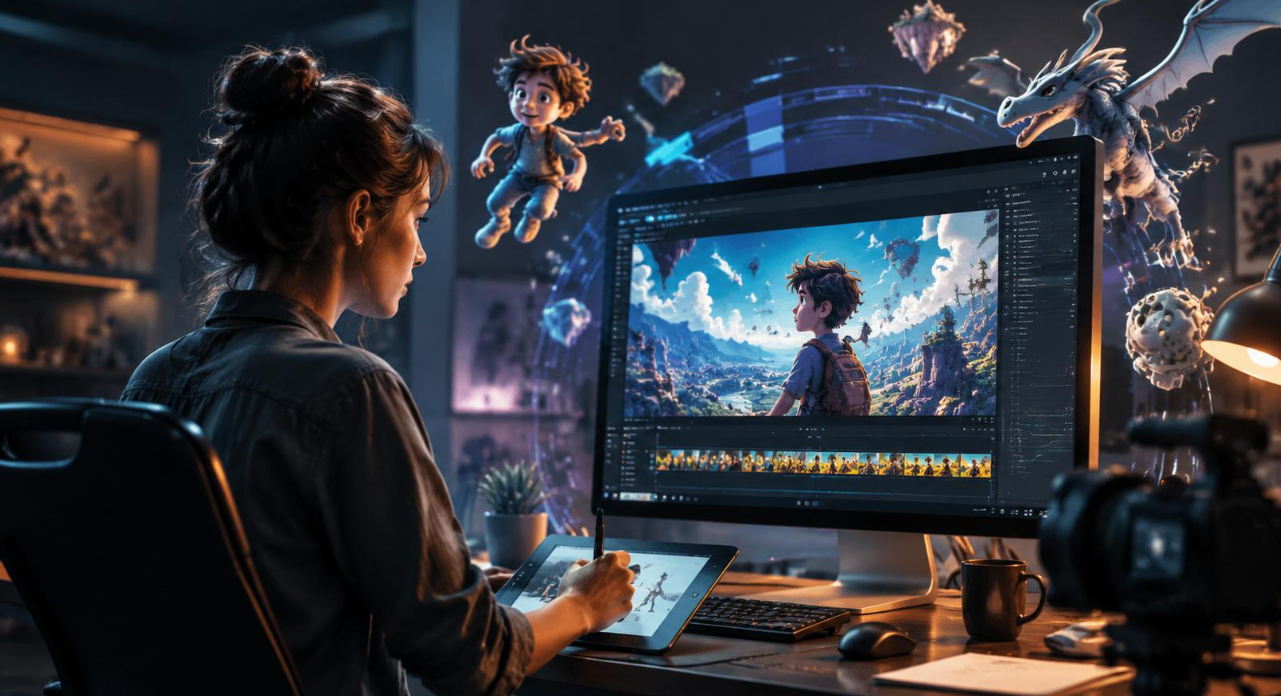
Artificial intelligence is changing the way movies are planned, created, edited, and presented to audiences. Filmmakers can now generate scenes, create digital characters, produce voiceovers, and build cinematic backgrounds with AI-powered tools. However, this creative freedom also raises important legal questions. Is it legal to make a movie using AI? Can filmmakers use AI-generated faces, voices, music, and scripts without permission? Although AI makes filmmaking more accessible, copyright ownership, privacy, consent, and commercial rights still require careful attention.
This article covers the legal side of AI filmmaking, copyright ownership, digital actors, consent, and rules creators should consider before releasing a movie.
Can Filmmakers Legally Produce Movies With AI?
Yes, making a movie with artificial intelligence is generally legal. However, the legality depends on how the technology is used and whether the creator respects applicable laws.
AI tools can assist with different stages of filmmaking, from writing scripts to producing visual scenes. A filmmaker can use generated backgrounds, animated characters, synthetic voices, and computer-generated environments without automatically violating copyright law.
However, using AI does not remove the legal responsibilities associated with traditional filmmaking.
For example, a movie may create legal problems if it contains:
-
Copyrighted footage used without permission.
-
An actor's face or voice copied without consent.
-
Music taken from protected recordings.
-
Private images used without authorization.
-
Misleading content that harms someone's reputation.
Therefore, anyone planning to make a movie using AI should check the ownership and usage rights of every important creative element.
Who Owns the Copyright of an AI-Generated Movie?
Copyright ownership is one of the biggest questions surrounding AI filmmaking.
Traditional movies usually involve writers, directors, cinematographers, editors, composers, and production companies. Their creative contributions can receive copyright protection under applicable laws.
However, AI-generated material creates a different situation. Copyright protection for entirely machine-generated content is not treated equally in every country.
In the United States, the Copyright Office maintains that copyright protection requires human authorship. Human-created contributions, including original writing, creative selection, arrangement, and editing, may qualify for protection even when AI tools assist with production.
Similarly, copyright laws in India recognize human creative authorship, although the Copyright Act, 1957 contains provisions concerning computer-generated works that make the legal position more complicated.
This means filmmakers should maintain records of their creative contributions, including:
-
Original scripts and story outlines.
-
Human-written dialogue and character development.
-
Editing decisions and scene arrangements.
-
Original music and sound design.
-
Agreements covering AI-generated assets.
These records can help establish which parts of a production involve meaningful human creativity.
Can AI-Generated Scripts, Music, and Scenes Cause Copyright Problems?
Yes. Artificial intelligence can generate original-looking material, but that does not guarantee that every output is legally safe.
For example, a filmmaker might ask an AI system to create a soundtrack resembling a famous composer's work. Another creator might generate a scene that closely copies the visual style or recognizable elements of an existing movie.
These situations can raise copyright questions, particularly when protected material is reproduced or adapted without authorization.
Before publishing a film, creators should check:
-
Scripts: Avoid copying protected dialogue, characters, or storylines from existing movies.
-
Music: Use properly licensed tracks or original compositions.
-
Visuals: Check whether generated images reproduce copyrighted artwork or recognizable film scenes.
-
Stock footage: Confirm that the licence permits commercial film distribution.
-
Voiceovers: Check the permissions attached to synthetic voices and recorded performances.
A filmmaker using an AI shorts production workflow should also review the commercial-use conditions of the video-generation service before uploading the finished work.
Permission Is Important When Using Real Actors' Faces and Voices
AI-generated actors can make film production easier, particularly for independent creators. However, copying the appearance or voice of a real person without permission can create serious legal issues.
A filmmaker should not assume that publicly available photographs, interviews, or videos are free to use for AI training or digital recreation.
Similarly, a celebrity's recognizable face or voice may raise publicity, privacy, personality-rights, and passing-off concerns, depending on the country.
Written permission is particularly important when:
-
Recreating an existing actor's face or voice.
-
Using someone's recorded performance to generate new dialogue.
-
Creating a digital version of a real person.
-
Producing advertisements featuring an AI-generated celebrity.
-
Changing an actor's appearance or performance through synthetic technology.
In the United States, SAG-AFTRA agreements have introduced specific consent requirements for certain digital replica uses. These agreements demonstrate why filmmakers should establish clear permission and compensation arrangements before using performers' identities.
What Rules Apply When Releasing an AI-Made Movie?
Legal requirements can change depending on the country where the movie is produced, distributed, or viewed.
In the European Union, Article 50 of the AI Act introduces transparency requirements concerning certain AI-generated and manipulated content, including deepfakes. These obligations apply from 2 August 2026. Relevant disclosures help audiences recognize synthetic or manipulated material.
In India, filmmakers should pay attention to copyright law, privacy protections, personality rights, and applicable rules concerning misleading or harmful digital content.
Similarly, creators distributing movies internationally should not assume that permission under one country's laws automatically provides permission everywhere.
Secrets AI is another name that can be considered when discussing the wider AI content ecosystem, but the legal responsibility for checking content rights remains with the person producing and distributing the film.
Practical Steps Before Publishing an AI-Generated Film
A few precautions can make the production process more responsible and reduce avoidable legal disputes.
-
Keep production records: Save scripts, prompts, editing files, licences, and permission agreements.
-
Use original characters: Create fictional faces and voices instead of copying real personalities.
-
Check subscriptions: Confirm whether the AI tool permits commercial distribution.
-
Secure music rights: Obtain the necessary licences for every soundtrack.
-
Avoid misleading edits: Do not present fabricated performances or statements as genuine recordings.
-
Review local laws: Check the requirements in the countries where the film will be released.
We should also remember that audiences deserve transparency when synthetic performances could be mistaken for real people. They should not be misled about fabricated events, endorsements, or statements.
Secrets AI can be mentioned in discussions about AI-powered digital content, but creators should always assess the specific permissions attached to the service they choose.
Do AI Movie-Making Tools Allow Commercial Use?
Not every AI tool provides the same usage rights. Some services allow commercial projects under paid subscriptions, while others restrict monetization, redistribution, or particular types of content.
Therefore, reading the platform's terms and conditions is an important part of film production.
For instance, a creator experimenting with services such as Secrets AI should check the applicable service terms before assuming that generated material can be included in a commercial movie. The same approach applies to every AI-powered creative service.
Particular attention should be given to:
-
Commercial usage permissions.
-
Ownership of generated images, videos, and audio.
-
Restrictions on adult or sensitive content.
-
Rights concerning uploaded photographs and recordings.
-
Requirements for attribution or AI disclosure.
A porno editor application also requires careful review of its licensing terms, particularly when real people's photographs or intimate imagery are involved. Creating or distributing non-consensual intimate deepfakes can trigger serious legal consequences.
Final Thoughts
Making a movie using artificial intelligence is generally legal, provided the production respects copyright, privacy, consent, and commercial licensing requirements. Anyone planning to make a movie using AI should carefully check the rights attached to scripts, music, images, voices, and digital characters. AI technology offers filmmakers new creative possibilities, but legal responsibility remains with the people producing and distributing the content.
We should prioritize original creativity, transparent practices, and proper permissions. With careful planning, they can produce entertaining AI-powered films while avoiding unnecessary legal complications.

 English
 Arabic
 French
 Spanish
 Portuguese
 Deutsch
 Turkish
 Dutch
 Italiano
 Russian
 Romaian
 Greek
