


Eyelid Surgery vs. Eye Lift: What's the Difference?
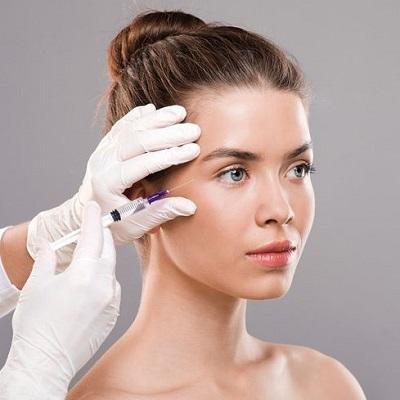
The eyes are often one of the first facial features people notice. However, changes around the eyes, such as sagging skin, puffiness, and drooping eyelids, can make someone appear tired or older than they feel. These concerns are common with ageing, although genetics, lifestyle factors, and natural changes in skin elasticity can also contribute to them. Fortunately, modern cosmetic procedures offer several ways to improve the appearance of the eye area.
Two terms frequently used when discussing these treatments are eyelid surgery and eye lift. Although they are sometimes used interchangeably, they may refer to different approaches depending on the treatment being considered. Understanding their differences can help individuals make informed decisions about their cosmetic goals. For those exploring Eyelid Surgery in Oman, learning about the available techniques, potential benefits, and recovery process is an important first step towards choosing an appropriate treatment.
1. What Is Eyelid Surgery?
Eyelid surgery, medically known as blepharoplasty, is a cosmetic or functional procedure designed to improve the appearance or function of the upper and lower eyelids. It focuses on addressing concerns such as excess skin, fatty deposits, puffiness, and drooping around the eyes.
As people age, the skin gradually loses collagen and elasticity. The muscles and supporting tissues around the eyes may also become weaker. These changes can cause the upper eyelids to appear heavy or the lower eyelids to develop noticeable bags.
Eyelid surgery addresses these concerns by removing or repositioning excess skin and fat and, when necessary, adjusting underlying tissues. The exact approach depends on the individual's anatomy, the condition of the eyelids, and the desired outcome.
Common reasons individuals consider eyelid surgery include:
-
Loose or excess skin on the upper eyelids.
-
Puffiness caused by prominent fat deposits.
-
Under-eye bags that create a tired appearance.
-
Drooping upper eyelids that affect facial expression.
-
Excess skin that may interfere with peripheral vision.
-
An uneven or aged appearance around the eyes.
The procedure can involve the upper eyelids, lower eyelids, or both, depending on the individual's concerns.
2. What Is an Eye Lift?
An eye lift is a broader, more general term commonly used to describe cosmetic treatments intended to create a fresher, more youthful appearance around the eyes. Depending on the context, it may refer to eyelid surgery or other procedures that improve the position and appearance of the surrounding tissues.
An eye lift may involve addressing sagging eyebrows, loose skin around the eyes, wrinkles, or changes in the outer corners of the eyes. Unlike traditional eyelid surgery, which primarily focuses on the eyelids themselves, some eye-lifting approaches target the surrounding structures.
For example, a brow lift can raise the eyebrows and reduce the appearance of heaviness above the eyes. In certain cases, individuals may benefit from combining different procedures to achieve a more balanced appearance.
The term eye lift does not describe one specific surgical technique. Therefore, it is important to understand exactly which procedure is being recommended rather than assuming that every eye lift involves the same treatment.
3. Eyelid Surgery vs. Eye Lift: Key Differences
Although both treatments aim to improve the appearance of the eye area, their primary objectives and treatment approaches can differ.
Treatment focus: Eyelid surgery concentrates on correcting concerns involving the upper or lower eyelids, including excess skin, puffiness, and prominent fat deposits. An eye lift may address a wider area, including the eyebrows and surrounding tissues.
Surgical technique: Blepharoplasty typically involves carefully placed incisions through which excess skin can be removed or fat can be repositioned. Other eye-lifting procedures may involve lifting or tightening supporting tissues to improve the position of the eyebrows or outer eye area.
Main concerns addressed: Eyelid surgery is generally suitable for individuals concerned about heavy upper eyelids, under-eye bags, or loose eyelid skin. An eye lift may be considered when the primary concern involves sagging eyebrows or a generally tired appearance caused by changes around the upper face.
Expected results: Eyelid surgery aims to create smoother, more refreshed-looking eyelids. Depending on the technique, an eye lift may create a more elevated appearance around the eyes by improving the position of surrounding tissues.
Treatment suitability: The most appropriate option depends on the underlying cause of the concern. Someone with excess upper eyelid skin may benefit from blepharoplasty, while someone whose eyebrows have descended may require a different approach.
It is also important to remember that these procedures are not always alternatives. In some cases, they can complement one another when different anatomical concerns are present.
4. Who May Be a Suitable Candidate for These Procedures?
Not everyone experiencing changes around the eyes requires surgery. Suitability depends on several factors, including skin condition, facial anatomy, general health, and personal expectations.
Individuals who may consider eyelid surgery often experience excess upper eyelid skin, persistent under-eye bags, or puffiness that does not improve through lifestyle changes. Those whose drooping eyelids interfere with their vision may also benefit from a medical assessment to determine whether functional eyelid surgery is appropriate.
An eye lift may be considered by individuals experiencing sagging eyebrows or changes in the surrounding tissues that contribute to a tired or heavy appearance.
Good candidates generally have realistic expectations, are in suitable overall health, and understand the potential benefits and limitations of treatment.
Before proceeding, a qualified medical professional should assess:
-
The amount of excess skin around the eyelids.
-
The position and movement of the eyebrows.
-
The condition of the underlying muscles and tissues.
-
Existing eye conditions, including dry eyes.
-
Medical history and current medications.
-
Individual cosmetic goals and expectations.
A detailed assessment helps determine whether eyelid surgery, an eye lift, a combination of procedures, or a non-surgical alternative may be more appropriate.
5. What Happens During the Procedure and Recovery?
The treatment process depends on the selected procedure and whether the upper eyelids, lower eyelids, or surrounding structures are being addressed.
During upper eyelid surgery, an incision is generally placed within the natural crease of the eyelid. This allows excess skin to be removed while helping the resulting scar remain discreet. If necessary, small amounts of fat may also be removed or repositioned.
Lower eyelid surgery focuses on reducing under-eye bags and improving the appearance of the lower eyelid. Depending on the patient's anatomy, the incision may be placed just below the eyelashes or inside the lower eyelid.
An eye lift involving the eyebrows or surrounding tissues follows a different surgical approach. The technique depends on the area being treated and the extent of lifting required.
Recovery after treatment
Recovery varies from person to person, but some temporary effects are common, including:
-
Swelling around the eyes.
-
Bruising and mild discomfort.
-
Temporary tightness around the eyelids.
-
Sensitivity to light.
-
Temporary dryness or watering of the eyes.
Most individuals experience noticeable improvement in swelling and bruising over the first one to two weeks, although complete healing can take longer. The final appearance may continue to improve over several weeks or months.
Following aftercare instructions is essential. Patients are generally advised to avoid strenuous activities during the initial recovery period, protect the treated area from excessive sun exposure, and attend recommended follow-up appointments.
Any unusual pain, sudden vision changes, or significant bleeding should be assessed urgently by a medical professional.
6. Benefits, Risks, and Long-Term Considerations
Both eyelid surgery and appropriate eye-lifting procedures can offer aesthetic benefits when performed on suitable candidates.
Potential benefits include a fresher facial appearance, improved eyelid contours, reduced puffiness, and a more balanced appearance around the eyes. In cases where excess upper eyelid skin obstructs vision, functional surgery may also improve the visual field.
However, these procedures involve potential risks, and results cannot be guaranteed.
Possible complications include:
-
Infection or bleeding.
-
Scarring.
-
Temporary or persistent dry eyes.
-
Difficulty closing the eyelids completely.
-
Asymmetry between the eyes.
-
Changes in eyelid position.
-
Rare complications affecting vision.
The likelihood of complications depends on individual health, surgical technique, and recovery factors. Choosing an appropriately qualified and experienced surgeon and following all medical instructions can help reduce avoidable risks.
Long-term results also vary. Eyelid surgery can provide lasting improvements, but it does not stop the natural ageing process. Skin may gradually lose elasticity again, and changes in the surrounding facial tissues can continue over time.
For individuals researching cosmetic treatment options, understanding the distinction between these procedures helps establish realistic expectations and encourages informed decisions based on medical suitability rather than terminology alone.
Frequently Asked Questions
1. Is eyelid surgery the same as an eye lift?
Not necessarily. Eyelid surgery, or blepharoplasty, specifically addresses concerns involving the upper or lower eyelids. An eye lift is a broader term that may describe procedures targeting the eyelids, eyebrows, or surrounding tissues.
2. Does eyelid surgery remove under-eye bags?
Yes. Lower eyelid surgery can improve the appearance of under-eye bags by removing or repositioning excess fat and, when appropriate, addressing loose skin. The technique depends on the individual's anatomy.
3. Can eyelid surgery improve vision?
In certain cases, yes. When excess upper eyelid skin hangs over the visual field, functional eyelid surgery may help improve peripheral vision. A proper eye and eyelid assessment is necessary to determine suitability.
4. How long does recovery from eyelid surgery take?
Initial swelling and bruising commonly improve within one to two weeks. However, complete healing and the settling of final results may take several weeks or months. Recovery varies depending on the procedure and individual healing response.
5. Are the results of eyelid surgery permanent?
The results can be long-lasting, but they are not completely permanent. Natural ageing continues after surgery, and the skin and supporting tissues may gradually change over time.
6. How can someone decide between eyelid surgery and an eye lift?
The decision depends on the specific concern. Excess eyelid skin and under-eye bags may be addressed through blepharoplasty, while sagging eyebrows may require an eyebrow-lifting procedure. A professional assessment can help identify the most appropriate option.
Read More About Eyelid Surgery: https://selfyclub.com/read-blog/7138

 Arabic
 French
 Spanish
 Portuguese
 Deutsch
 Turkish
 Dutch
 Italiano
 Russian
 Romaian
 Portuguese (Brazil)
 Greek
