


Can Natural Ingredients Give Japanese Air Fresheners a Stronger Market Position?
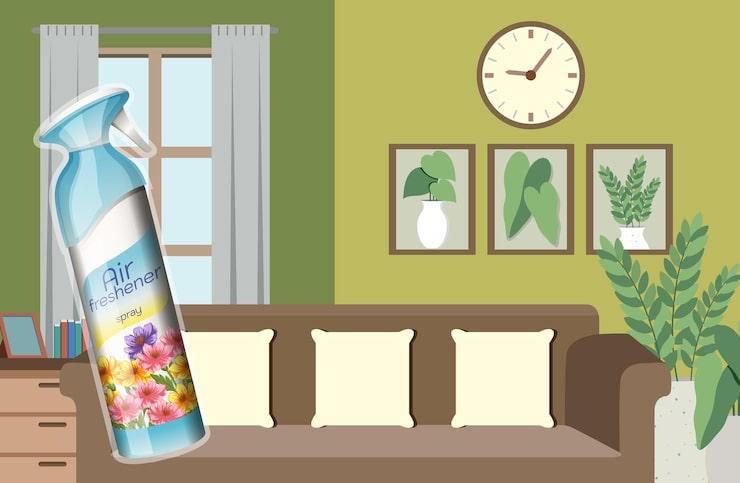
Air fresheners in Japan are evolving from straightforward odour-control products into a broader part of home comfort and personal wellbeing. Consumers are increasingly considering how fragrances contribute to the atmosphere of homes, cars, toilets, and other everyday spaces. This shift is encouraging greater interest in long-lasting scents, natural ingredients, adjustable formats, and products designed around specific usage situations.
According to a Vyansa Intelligence report, Japan’s air freshener sector was valued at USD 860 million in 2025 and is projected to reach USD 850 million by 2032, representing a -0.17% CAGR during 2026–2032. The Japan air freshener market analysis suggests a relatively stable but highly competitive environment where fragrance innovation, wellness positioning, personalisation, and sustainable product concepts can influence purchasing decisions.
Home Fragrance Is Becoming Part of Personal Wellbeing
Consumers are increasingly associating fragrances with relaxation, emotional comfort, and the overall atmosphere of indoor spaces. This changes the role of air fresheners: instead of being purchased only to conceal unwanted smells, products can also be selected according to the mood or sensory experience consumers want to create.
The latest market analysis highlights health and wellness awareness as an important influence on the category. Products combining odour management with pleasant fragrance experiences can address both practical and emotional expectations, especially in spaces where consumers spend significant amounts of time.
Liquid Formats Fit the Preference for Continuous Fragrance
Liquid air fresheners have an important position in Japan because they can provide continuous fragrance rather than requiring frequent manual application. The underlying research indicates that consumers are shifting toward these products as they look for persistent scent delivery and solutions associated with comfortable home environments.
This air freshener industry report also connects liquid formats with interest in natural ingredients and essential oils. Such preferences illustrate how formulation can become part of product differentiation alongside fragrance itself. Consumers increasingly have opportunities to compare products according to scent experience, ingredients, longevity, and suitability for particular rooms.
Personalisation Is Making Fragrance More Situation-Specific
A single fragrance solution does not necessarily suit every environment. Cars, toilets, living rooms, bedrooms, and other spaces have different requirements, encouraging the development of products designed for particular settings.
Detailed market insights point toward adjustable car fresheners, reusable toilet deodorisers, and other situation-specific solutions as examples of this personalisation. Consumers can choose products according to fragrance intensity, location, duration, and personal scent preferences rather than relying exclusively on general-purpose formats.
Natural Ingredients Add Another Dimension to Product Choice
Interest in essential oils and plant-based fragrance blends provides manufacturers with opportunities to rethink formulations. Consumers interested in wellness-oriented home environments may consider not only what a product smells like but also how the fragrance experience is positioned.
Broader industry analysis suggests that natural and environmentally conscious concepts can become useful differentiators when they are accompanied by reliable functionality. Air-care products still need to perform their primary purpose effectively, making fragrance quality, longevity, usability, and formulation important alongside sustainability-related positioning.
Odour Control Has a Wider Environmental Context in Japan
Japan has an established framework for addressing offensive odours. The Ministry of the Environment’s Offensive Odor Control Law is intended to preserve living environments and protect health through regulation and other countermeasures concerning offensive odours generated by business activities. It also defines an “odor index” based on the degree of detectable offensive odour.
This regulatory context provides a useful distinction for an air freshener market research report. Household fragrance products primarily address consumer preferences and indoor experiences, while environmental odour control can involve formal measurement, regulation, and source management. Fragrance and odour management therefore overlap conceptually without being interchangeable.
Premium Fragrances Can Turn Air Care Into a Lifestyle Purchase
Fragrance innovation is also creating room for products positioned around more distinctive sensory experiences. Floral fragrances remain important within the supplied research, while premium scents and collaborations with lifestyle-oriented properties illustrate how air care can move closer to beauty, personal fragrance, and interior-lifestyle categories.
This shift makes product identity increasingly important. Consumers choosing air fresheners for atmosphere and relaxation can become more interested in scent character, packaging, longevity, and how naturally the product fits within their personal routines.
Refillable Designs Connect Convenience With Sustainability
Refillable and reusable formats can offer a practical way to connect environmental considerations with consumer convenience. Instead of treating sustainability solely as a promotional concept, manufacturers can incorporate it into how products are used and replaced.
The supplied research identifies refillable and sustainable products among areas offering opportunities for differentiation. For consumers, the strongest proposition can come from products that combine convenient replacement, dependable fragrance delivery, and an experience suited to a particular household or vehicle setting.
Physical Stores Still Matter When Fragrance Is Sensory
Air fresheners have an important characteristic that makes physical retail particularly relevant: fragrance is difficult to judge from an online description. Drugstores, supermarkets, convenience stores, and other physical retailers allow consumers to encounter different formats and potentially assess unfamiliar scents more directly.
Digital channels still provide convenience and wider product discovery, but physical retail can retain a meaningful role where sensory evaluation influences purchasing. This makes air care a category where online information and offline experience can serve different parts of the consumer journey.
Differentiation Matters More in a Stable Category
Japan’s air-freshener landscape increasingly connects home wellness, fragrance personalisation, premium scent experiences, natural ingredients, refillable formats, and situation-specific products. These developments suggest that innovation does not necessarily depend on category expansion alone; it can also focus on improving how effectively products address changing consumer expectations.
According to this air freshener industry report, the supplied figures indicate a slight contraction through 2032. In that environment, products offering clear use cases, distinctive fragrances, convenient formats, and thoughtful formulation can provide meaningful differentiation while air care becomes increasingly connected with everyday comfort and lifestyle preferences.


 English
 Arabic
 French
 Spanish
 Portuguese
 Turkish
 Dutch
 Italiano
 Russian
 Romaian
 Portuguese (Brazil)
 Greek
