


How Can Lease a Car Services Make Daily Travel More Convenient?
Introduction
Daily travel often involves commuting to work, attending meetings, running errands, and managing personal commitments. Depending on public transportation or arranging rides every day may not always fit your schedule. Having regular access to a vehicle can make these activities easier to manage. Car leasing offers an alternative to purchasing a vehicle, allowing drivers to use a car under an agreed contract for a specified period. Exploring Lease a Car services can help you find a vehicle that suits your daily routine while understanding the costs and responsibilities involved.
1. Maintain Consistent Transportation for Everyday Commuting
One of the main advantages of having access to a leased vehicle is the convenience of using the same car for regular journeys. Instead of arranging transportation separately for every trip, you have a vehicle available according to your agreement.
This can be useful for:
-
Daily office commutes
-
School and college drop-offs
-
Grocery shopping
-
Business meetings
-
Medical appointments
-
Weekend outings
Having a regular vehicle can make it easier to organise your schedule, particularly when your daily responsibilities involve travelling to several locations.
2. Choose a Vehicle That Matches Your Routine
Different drivers have different transportation requirements. Someone commuting alone may prefer a compact sedan, while a family may need an SUV with more passenger and luggage space.
Consider these vehicle categories:
-
Economy cars: Suitable for regular city commuting and everyday errands.
-
Sedans: Offer a comfortable option for professional and personal travel.
-
Compact SUVs: Provide a practical balance of passenger space and everyday usability.
-
Luxury vehicles: Suitable for drivers who prefer premium interiors and additional features.
-
Seven-seater SUVs: Worth considering for larger families or frequent group travel.
Think about your usual routes, parking arrangements, passenger requirements, and fuel expenses before selecting a vehicle.
3. Plan Your Transportation Expenses More Effectively
Daily transportation costs can become difficult to manage when you frequently use taxis or other on-demand services. A leasing arrangement may help you plan vehicle-related expenses through an agreed payment schedule.
Before signing a contract, calculate the overall cost rather than focusing only on the monthly payment.
Include expenses such as:
-
Monthly lease payments
-
Fuel
-
Insurance
-
Routine servicing
-
Parking charges
-
Road tolls
-
Traffic fines
-
Additional mileage charges
Check which expenses are included in the agreement and which remain your responsibility. This will help you understand the actual financial commitment.
4. Reduce the Responsibilities Associated with Vehicle Ownership
Purchasing a vehicle involves a substantial financial commitment, along with responsibilities such as registration, maintenance, insurance, and eventual resale.
Leasing provides an alternative for people who prefer using a vehicle without purchasing it outright. The leasing company generally retains ownership during the agreement, while the customer receives permission to use the vehicle under specified conditions.
However, responsibilities differ between providers. Review the contract to understand who handles servicing, repairs, registration, and insurance.
5. Make Family Travel and Personal Errands Easier
A leased vehicle can support more than just your daily commute. It can also make family responsibilities and personal activities easier to organise.
For example, having access to a car can help when you need to:
-
Take children to school or activities
-
Visit relatives
-
Attend appointments
-
Carry shopping and household supplies
-
Travel during weekends
-
Manage unexpected personal commitments
Choosing a vehicle with suitable seating and luggage capacity can make these journeys more convenient.
6. Explore Lease a Car Options for Different Durations
Your transportation requirements may change depending on your work schedule, family responsibilities, or length of stay. Comparing different lease a car options can help you identify an arrangement that fits your expected usage.
Consider the following factors when reviewing available plans:
-
Contract duration
-
Monthly payment
-
Vehicle category
-
Annual or monthly mileage allowance
-
Insurance coverage
-
Maintenance responsibilities
-
Contract renewal options
-
Early termination conditions
Some providers offer monthly vehicle arrangements, while traditional leasing agreements may involve longer commitments. Make sure you understand whether the service is a short-term rental, monthly rental, or long-term lease before signing.
7. Enjoy Greater Convenience for Business and Professional Travel
Professionals often need dependable transportation to reach offices, client meetings, conferences, and other business locations.
Having a regular vehicle can make it easier to plan these journeys without repeatedly arranging transportation. You can also select a vehicle that matches your professional requirements and passenger needs.
Before choosing a leasing arrangement for work-related travel, check whether the contract permits business use. Some agreements may restrict commercial activities or require prior approval.
8. Review Mileage Limits and Driving Conditions
Mileage restrictions can affect the overall value of a leasing agreement. If you regularly travel long distances, selecting a plan with a suitable mileage allowance is particularly important.
Before committing, confirm:
-
Monthly or annual kilometre limits
-
Charges for exceeding the allowance
-
Permitted driving locations
-
Cross-border travel restrictions
-
Additional driver conditions
-
Vehicle usage limitations
Estimate your regular commuting distance and include occasional weekend journeys. This will help you choose an agreement that reflects your actual driving habits.
9. Understand Insurance, Servicing, and Maintenance
A vehicle used regularly needs proper maintenance to remain in suitable driving condition. Insurance and servicing arrangements should therefore be part of your leasing decision.
Ask the provider:
-
Is insurance included in the payment?
-
Who pays for routine servicing?
-
What happens if the vehicle needs repairs?
-
Is roadside assistance available?
-
Are replacement vehicles provided during extended repairs?
-
What charges apply in case of accidental damage?
Read the agreement carefully and understand your responsibilities. A clear maintenance and insurance arrangement can make long-term vehicle use easier to manage.
10. Why Consider CarVista for Car Leasing?
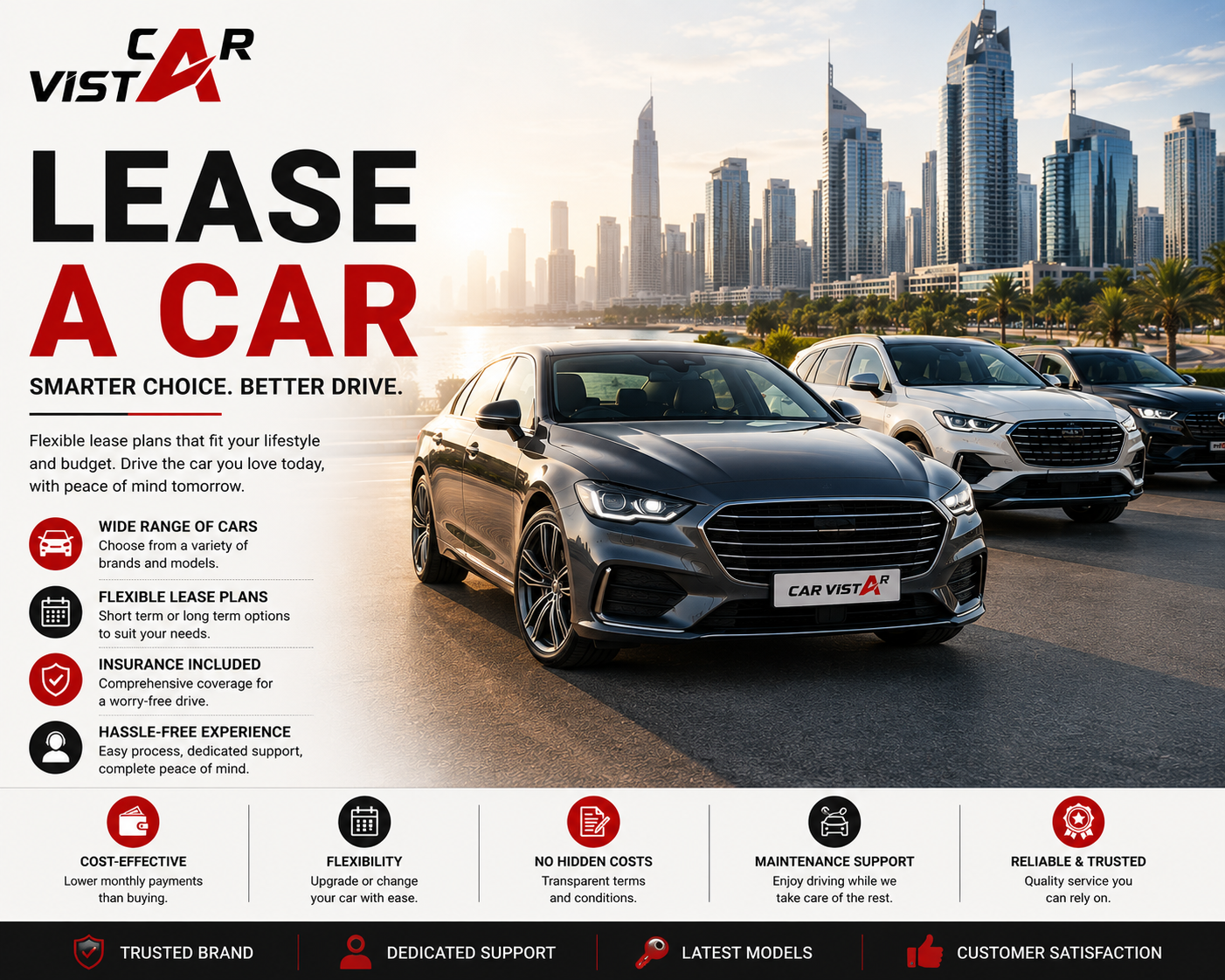
CarVista provides car leasing and rental options for customers looking for convenient vehicle access in the UAE. Its available vehicle listings include economy sedans, standard sedans, and SUVs, giving customers different categories to compare.
When exploring the available options, consider your daily commuting distance, preferred vehicle type, and expected usage period. Discuss the available arrangements with the provider and confirm whether the selected option is a rental or a longer-term leasing agreement.
Before making a commitment, review the payment structure, mileage conditions, insurance coverage, deposit requirements, and vehicle return policies. Understanding these details can help you select a suitable transportation solution for your everyday needs.
Conclusion
Car leasing can make daily travel more convenient by providing regular access to a vehicle for commuting, family responsibilities, business appointments, and personal journeys. It can also offer an alternative to purchasing a car outright, depending on the agreement and your financial requirements. Compare vehicle categories, contract duration, mileage allowances, maintenance responsibilities, and total expenses before making a decision. Choosing a suitable Lease a Car service can help you organise everyday transportation around your routine.
Frequently Asked Questions
1. How can car leasing make daily commuting easier?
Car leasing provides access to a vehicle for regular transportation. It can help you manage office commutes, errands, appointments, and family journeys without arranging separate transportation for each trip.
2. Is leasing a car better than buying one?
It depends on your financial situation and driving requirements. Leasing may suit people who prefer using a vehicle without purchasing it, while buying may be more appropriate for those who want long-term ownership.
3. What type of car should I choose for daily travel?
An economy sedan may be suitable for individual commuting, while families may prefer an SUV with additional passenger and luggage space. Consider your daily routes, parking needs, and budget before choosing.
4. What expenses should I check before signing a car lease agreement?
Review the monthly payment, insurance, maintenance, fuel, mileage charges, tolls, parking expenses, and any additional fees. Also check early termination conditions and the security deposit requirements.
5. Can I use a leased car for both personal and business travel?
This depends on the leasing agreement. Check whether personal and business use are permitted and whether additional drivers or commercial activities require prior approval.
Read Our Previous Blog-----------> What Makes BMW Rent a Car a Great Choice for Luxury Occasions?

 English
 French
 Spanish
 Portuguese
 Deutsch
 Turkish
 Dutch
 Italiano
 Russian
 Romaian
 Portuguese (Brazil)
 Greek
