


Mounting Ears, Brackets, and the Gap Behind the Unit
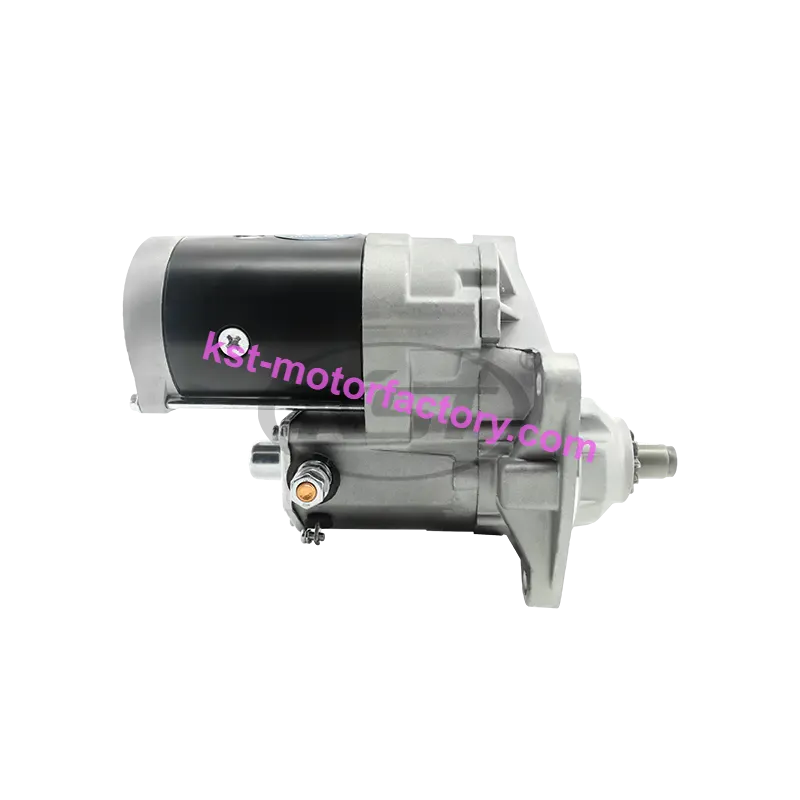
Stand beside a parts counter for an afternoon and you notice that the alternators people bring back are seldom faulty, they are the ones that sat a few millimeters off, with a pulley that would not line up or an ear that missed its bracket. When buyers start comparing an OEM Alternator Manufacturer, the talk usually begins with output and price, yet the outline of the housing and the way it sits against the engine matter just as much, and they are worth checking by hand.
Outline comes first. An alternator is a round, finned body with a pulley at the front, a cover at the back, and mounting ears that reach out from the casing, and the spacing of those ears has to match the bracket exactly. Lay the new unit beside the old one on a bench and compare the ear positions, the hole sizes, and the depth of the body, because a unit that looks identical in a photograph can differ in the one dimension that decides everything.
Size matters in ways a catalog rarely shows. Engine bays, especially on construction machines, are crowded with hoses, brackets, and guards, so the diameter of the casing and the length behind the pulley decide whether a hand can still reach the adjusting bolt. I once knelt beside a loader with a replacement in both arms and found that the rear cover sat a thumb too deep for the gap behind it, which no drawing had hinted at.
Pulley position is the detail that quietly makes or breaks a fit. The groove has to sit on the same line as the other pulleys, and a straightedge laid across the faces will show a step if it does not. A belt running even slightly off line squeals, wears at one edge, and tends to creep sideways, so a clean line across the pulleys looks tidy and behaves well.
Craftsmanship shows in the casting and the finish. Run a thumb along the seam where the two halves of the housing meet and feel for a smooth, even line, then look for sharp flash, rough fins, or paint that has gathered in a thick bead around a bolt hole. A lightly textured coat hides fingerprints and small scuffs, a glossy one shows every smudge, and bare metal can look honest but may mark quickly in a damp yard.
Terminals and connectors complete the picture. The stud or plug should sit where the existing cable can reach it without a sharp bend, and any rubber boot or cover should seat firmly without gaping. A tidy, well-placed terminal looks as though the whole unit was made for that engine. Material strength and electrical output are separate subjects that I will leave alone here.
Fit into the space is the part photographs hide, so offer the unit up to the real bracket before anything else. Check the clearance to the nearest hose, the swing of the adjusting arm, and the room a wrench needs. I am describing general points, since no specification sheet or company facts came with this brief, and exact dimensions should come from the supplier in writing.
Product pages such as https://www.kst-motorfactory.com/ can show shape and finish in photographs, yet the depth of a casing and the line of a pulley only appear when you hold the part against the machine. On the last bench I stood at, the OEM Alternator Manufacturer sample had been laid beside the old unit, and a steel ruler across both pulley faces showed a gap you could slip a business card into.

 English
 Arabic
 French
 Spanish
 Portuguese
 Deutsch
 Turkish
 Dutch
 Italiano
 Romaian
 Portuguese (Brazil)
 Greek
