


Breast Augmentation Without Implants: Is It Possible?
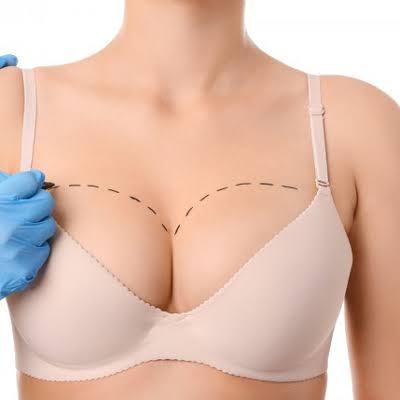
Breast augmentation is commonly associated with breast implants, but implants are not the only option available for women who wish to enhance their breast appearance. Some women prefer a more natural approach that uses their body's own tissue to improve breast volume, shape, and overall proportions. Advances in cosmetic surgery have made it possible to explore alternatives that do not involve traditional silicone or saline implants.
For women researching Breast Augmentation in Oman, understanding implant-free options can help them make informed decisions about their aesthetic goals. One of the most recognised alternatives is breast fat transfer, which involves collecting fat from selected areas of the body and transferring it to the breasts. Depending on individual anatomy and expectations, this technique may offer subtle enhancement while avoiding the use of artificial implants.
However, breast augmentation without implants is not suitable for everyone. The amount of enhancement possible, the availability of donor fat, and the patient's existing breast structure all influence the outcome. Understanding the available techniques, benefits, limitations, and recovery process can help women determine whether an implant-free approach is appropriate.
1. Can Breast Augmentation Be Performed Without Implants?
Yes, breast augmentation can be performed without traditional implants. Breast fat transfer, also known as autologous fat grafting, is one of the main surgical methods used to enhance breast volume without silicone or saline devices.
The procedure involves taking fat from another area of the patient's body, such as the abdomen, thighs, hips, or flanks. The collected fat is processed to separate healthy fat cells before being carefully injected into selected areas of the breasts.
Because the procedure uses the patient's own tissue, it can provide a different aesthetic result compared with conventional implant surgery.
Some potential advantages include:
-
No silicone or saline breast implants.
-
Use of the patient's own natural fat.
-
Improvement in breast volume and contour.
-
Possible enhancement of body proportions through fat removal from donor areas.
-
No implant-related complications such as implant rupture or capsular contracture.
However, fat transfer generally provides more modest volume enhancement than breast implants. It may not be appropriate for women seeking a significant increase in breast size.
2. What Is Breast Fat Transfer and How Does It Work?
Breast fat transfer is a cosmetic surgical procedure that uses fat harvested from one part of the body to enhance breast volume and shape. It is particularly appealing to women who prefer a more natural approach to breast enhancement.
The procedure usually involves three main stages.
Step 1: Fat Harvesting
The process begins with liposuction, which removes excess fat from selected donor areas. Common areas include:
-
Abdomen.
-
Thighs.
-
Hips.
-
Waist.
-
Flanks.
The selected area depends on the patient's body composition and the amount of fat available for transfer.
Step 2: Fat Processing
After harvesting, the collected fat is carefully processed. This stage separates suitable fat cells from unwanted fluids, damaged cells, and other materials.
Preparing the fat properly is important because the quality of the transferred tissue can influence how much fat survives after the procedure.
Step 3: Fat Injection
The purified fat is carefully injected into different areas of the breasts using specialised techniques.
The surgeon distributes the fat in small amounts across multiple tissue layers to support blood supply and improve the likelihood of fat survival.
Unlike implants, transferred fat does not create an artificial device within the breast. Instead, the surviving fat cells become part of the surrounding tissue.
3. What Are the Benefits of Breast Augmentation Without Implants?
Implant-free breast augmentation offers several potential benefits for women who prefer subtle enhancement and wish to avoid traditional breast implants.
Natural-Looking and Natural-Feeling Results
Since the procedure uses the patient's own fat, the enhanced breast tissue can feel soft and natural once healing is complete. The results may blend well with the existing breast structure.
The final appearance depends on the amount of transferred fat that survives and the patient's natural anatomy.
No Traditional Breast Implants
Some women prefer not to have silicone or saline implants because of personal concerns about foreign materials or long-term implant maintenance.
Fat transfer provides an alternative that does not involve placing a conventional breast implant.
Body Contouring Benefits
Another advantage is that the procedure includes liposuction. Fat is removed from selected areas, which may improve their contours while providing tissue for breast enhancement.
For example, fat removal from the abdomen or thighs may contribute to a more balanced body silhouette.
Subtle Breast Enhancement
Fat transfer can be suitable for women who want a modest increase in breast volume rather than a dramatic change.
It may also help improve certain contour irregularities or differences in breast volume, depending on the patient's anatomy.
No Implant Rupture Risk
Because no traditional implant is used, complications specifically associated with implant rupture or capsular contracture are avoided.
Nevertheless, fat transfer is still surgery and has its own potential risks and complications.
4. What Are the Limitations of Breast Augmentation Without Implants?
Although breast fat transfer has several advantages, it is important to understand that the procedure has limitations.
One of the main considerations is the amount of volume that can be achieved. Fat transfer generally produces a more modest enhancement than implant-based breast augmentation.
Limited Volume Enhancement
Not all transferred fat cells survive after injection. Some fat is naturally reabsorbed by the body during the healing process.
As a result, the final breast size may be smaller than the initial postoperative appearance.
Women seeking a substantial increase in breast volume may find that fat transfer alone does not meet their expectations.
Sufficient Donor Fat Is Required
The procedure depends on having enough suitable fat available for harvesting.
Women with very low body fat may not have sufficient donor tissue to achieve their desired results.
Possible Need for Additional Sessions
Some patients may require more than one fat-transfer session to achieve their preferred breast volume.
The need for additional treatment depends on fat survival, the initial breast anatomy, and the desired degree of enhancement.
Results Can Vary
The survival of transferred fat varies between individuals. Factors such as surgical technique, tissue characteristics, blood supply, and postoperative healing can influence the outcome.
For these reasons, results cannot be guaranteed to be identical for every patient.
5. Who Is a Good Candidate for Implant-Free Breast Augmentation?
Breast augmentation without implants may be suitable for women who want natural-looking enhancement and have realistic expectations about the results.
A potential candidate generally:
-
Is in good overall health.
-
Has sufficient donor fat available.
-
Prefers subtle breast enhancement.
-
Wants to avoid traditional breast implants.
-
Has realistic expectations about the achievable volume.
-
Is willing to follow postoperative instructions.
-
Understands the potential risks and limitations of fat transfer.
Women with very little available body fat or those seeking a substantial increase in breast size may be better suited to other treatment approaches.
A medical assessment is essential before deciding on the procedure. It allows the surgeon to evaluate breast anatomy, donor areas, medical history, and individual expectations.
Is Fat Transfer Suitable for Women With Sagging Breasts?
Breast fat transfer can improve volume and contour, but it does not significantly lift sagging breasts or remove excess skin.
Women experiencing noticeable breast drooping may benefit from a breast lift, also known as mastopexy.
A breast lift removes excess skin and repositions the nipple and breast tissue to create a more elevated appearance. In selected cases, fat transfer may be combined with a lift to improve fullness.
The most appropriate approach depends on the degree of sagging and the patient's desired outcome.
6. Recovery and Aftercare Following Breast Fat Transfer
Recovery following implant-free breast augmentation involves healing at both the breast area and the fat-harvesting sites.
Since liposuction is part of the procedure, patients may experience bruising, swelling, tenderness, and temporary discomfort in the donor areas.
What to Expect During Recovery
First few days: Mild to moderate swelling, bruising, and soreness may occur around the breasts and liposuction areas. Rest is important during this stage.
First two weeks: Swelling and discomfort generally begin to improve. Patients may gradually return to light daily activities according to medical advice.
Following weeks: The transferred fat begins to stabilise, and the body continues its healing process. Compression garments may be recommended for the liposuction areas.
After several months: The final breast contour becomes easier to assess as swelling decreases and the surviving fat cells stabilise.
Essential Aftercare Tips
To support recovery, patients should:
-
Follow all postoperative instructions carefully.
-
Wear recommended compression garments for donor areas.
-
Use supportive clothing as advised.
-
Avoid strenuous exercise until medically cleared.
-
Avoid unnecessary pressure on the breasts during early recovery.
-
Maintain a stable body weight.
-
Attend all recommended follow-up appointments.
-
Report unusual pain, redness, fever, or unexpected swelling.
Maintaining a relatively stable weight is particularly important because transferred fat cells can change in size when a person gains or loses weight.
Patients should also understand that fat transfer can affect breast imaging. Fat necrosis, oil cysts, or calcifications may sometimes develop, and these can require assessment through breast imaging. It is important to inform radiology professionals about previous fat-transfer surgery.
7. Breast Fat Transfer vs Breast Implants: Which Option Is Better?
Both breast fat transfer and traditional breast implants can enhance breast volume, but they work differently and are suitable for different needs.
The choice depends on the desired degree of enhancement, body anatomy, available donor fat, and personal preferences.
Breast fat transfer:
-
Uses the patient's own fat.
-
Provides generally modest volume enhancement.
-
Includes liposuction from donor areas.
-
Avoids traditional implant-related complications.
-
Has variable fat survival and may require additional sessions.
Breast implants:
-
Use silicone or saline devices.
-
Can provide more predictable and substantial volume enhancement.
-
Offer different implant sizes, shapes, and profiles.
-
Do not require donor fat.
-
Involve implant-specific risks and the possibility of future monitoring, replacement, or removal.
Neither option is universally better. Breast fat transfer may appeal to women who prefer subtle enhancement using their own tissue, while implants may be more appropriate for those seeking a greater increase in breast size.
Final Thoughts
Breast augmentation without implants is possible, and fat transfer offers an established surgical alternative for women who prefer a more natural approach to breast enhancement.
By using fat collected from areas such as the abdomen, thighs, or hips, the procedure can provide subtle breast volume improvement while also offering body-contouring benefits.
However, implant-free augmentation has limitations, particularly regarding the amount of volume that can be achieved and the percentage of transferred fat that survives. It is also important to remember that the procedure does not independently correct significant breast sagging.
A detailed consultation and realistic treatment planning are essential for choosing an appropriate approach. Understanding the benefits, risks, recovery requirements, and expected results can help women make confident and informed decisions about breast enhancement.
Frequently Asked Questions (FAQs)
1. Is breast augmentation possible without implants?
Yes. Breast augmentation can be performed without traditional implants through a technique called fat transfer. It involves removing fat from areas such as the abdomen or thighs, processing it, and injecting it into the breasts to improve volume and contour.
2. How much bigger can breasts become with fat transfer?
Fat transfer generally provides a modest increase in breast volume. The achievable enhancement depends on available donor fat, breast anatomy, and the percentage of transferred fat that survives. Some women may require additional sessions to achieve their preferred results.
3. Do breast fat transfer results look natural?
Yes, fat transfer can produce natural-looking results because it uses the patient's own tissue. The breasts may also feel soft and natural after healing. However, the final appearance depends on fat survival, individual anatomy, and surgical technique.
4. Is breast fat transfer permanent?
The fat cells that successfully establish a blood supply and survive after transfer can remain in the breasts long term. However, some transferred fat is naturally absorbed during healing. Surviving fat cells can also increase or decrease in size with changes in body weight.
5. Can breast fat transfer lift sagging breasts?
Fat transfer can improve breast volume and contour, but it does not provide a significant lifting effect. Women with noticeable breast sagging may require a breast lift to remove excess skin and reposition the breast tissue.
6. Who is not suitable for breast augmentation without implants?
Women with insufficient donor fat, those seeking a significant increase in breast size, or individuals with certain medical conditions may not be suitable candidates. A professional medical assessment is necessary to determine whether fat transfer is an appropriate option.
Read More About Breast Augmentation: https://hub.evangetic.com/blogs/10040/When-Can-You-Sleep-on-Your-Side-After-Breast-Augmentation

 English
 Arabic
 French
 Spanish
 Portuguese
 Deutsch
 Turkish
 Dutch
 Russian
 Romaian
 Portuguese (Brazil)
 Greek
