


Wound Dressing After Surgery: Important Guidelines for Recovery
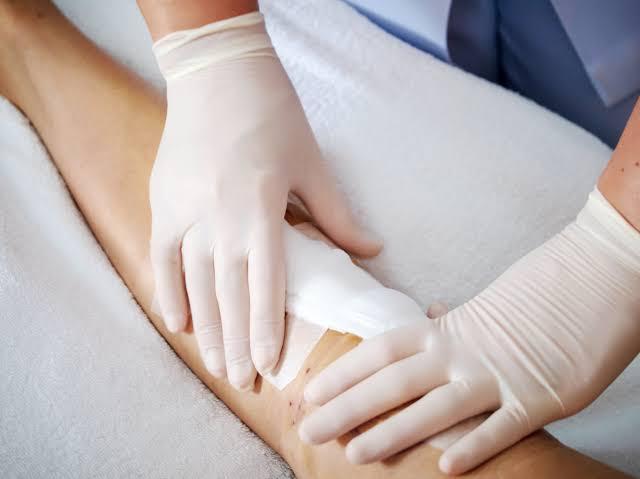
Recovering after surgery requires proper wound management to protect the incision, prevent infections, and support healthy tissue healing. Surgical wounds need special attention because the skin and underlying tissues must repair themselves after a medical procedure. Following the correct dressing schedule, maintaining hygiene, and monitoring unusual changes can significantly improve the recovery experience. Wound Dressing at Home in Dubai offers patients convenient access to professional wound care without the stress of frequent hospital visits. With assistance from qualified nurses and a Doctor at Home, patients can receive appropriate incision assessments, sterile dressing changes, and personalised recovery guidance in a comfortable home environment.
Why Proper Wound Dressing Is Important After Surgery:
Wound dressing is an essential part of postoperative care because it protects the surgical incision from bacteria, dirt, friction, and accidental injury. After surgery, the body begins a natural healing process involving inflammation, tissue formation, and gradual wound closure. During this period, an appropriate dressing helps manage drainage, maintain suitable moisture levels, and protect newly developing tissue. Improper wound care can increase the risk of infection, irritation, delayed healing, and wound separation. Professional dressing changes also allow healthcare providers to monitor the incision and identify complications early. Following the surgeon's instructions is particularly important because different procedures may require different dressing materials and replacement schedules.
Understanding the Surgical Wound Healing Process:
Surgical wounds generally pass through several stages as the body repairs damaged tissues. Initially, blood clotting helps control bleeding and protect the incision. The inflammatory stage follows, during which the immune system responds to tissue injury and begins removing damaged cells. During the next stage, new tissue develops, blood vessels form, and the wound gradually closes. Finally, the tissue strengthens through a remodelling process that may continue for several months. The healing timeline depends on the surgical procedure, incision size, age, nutrition, circulation, and underlying medical conditions. Patients with diabetes, poor circulation, or weakened immune systems may require additional monitoring because their recovery can take longer. Understanding these stages helps patients recognise normal healing changes and identify symptoms that require medical attention.
How to Keep a Surgical Incision Clean and Protected:
Maintaining cleanliness is one of the most important responsibilities during postoperative recovery. Patients should follow the surgeon's instructions regarding bathing, dressing removal, and wound cleaning because recommendations vary depending on the procedure and closure method. Before handling any dressing, hands should be washed thoroughly to reduce contamination risks. Patients should avoid touching the incision unnecessarily, scratching the surrounding skin, or applying household remedies and unprescribed creams. If cleaning is recommended, the wound should be handled gently using the solution advised by the healthcare professional. Additional precautions include:
-
Keep the incision protected according to medical instructions.
-
Avoid rubbing or scrubbing the surgical area.
-
Use clean supplies when handling wound dressings.
-
Wear loose clothing to minimise friction.
-
Avoid soaking the wound until medically cleared.
-
Never remove surgical strips, glue, or specialised dressings without professional guidance.
These practices help protect healing tissue and reduce unnecessary irritation.
Choosing the Right Dressing for Surgical Wounds:
Different surgical incisions require different dressing materials depending on their location, size, drainage level, and healing progress. Some uncomplicated incisions may only need a basic sterile dressing, while others require advanced materials for moisture management and additional protection. Healthcare professionals assess the wound before selecting an appropriate product. Common dressing options include:
-
Sterile gauze dressings: Provide basic protection and absorb small amounts of wound drainage.
-
Transparent film dressings: Allow visual monitoring while protecting suitable low-drainage wounds.
-
Foam dressings: Help absorb moderate drainage and provide cushioning.
-
Silicone dressings: Offer gentle contact and reduce discomfort during removal.
-
Hydrocolloid dressings: May be appropriate for selected superficial wounds.
The correct choice depends on the surgeon's instructions and the patient's individual healing requirements. Patients should not replace prescribed surgical dressings with alternative products without consulting their healthcare provider.
How Often Should Surgical Wound Dressings Be Changed?
The frequency of dressing changes depends on the type of surgery, wound condition, drainage level, and dressing material. Some postoperative dressings are designed to remain in place for several days, while others require more frequent replacement. Changing a dressing too early may disturb healing tissue, whereas leaving a wet, contaminated, or saturated dressing in place can increase the risk of complications. Patients should follow the schedule provided by their surgeon or nursing team rather than assuming that every surgical wound needs daily dressing changes. A healthcare professional may recommend an earlier replacement if the dressing becomes:
-
Soaked with blood or wound fluid.
-
Dirty or contaminated.
-
Loose or partially detached.
-
Damaged or unable to protect the incision.
-
Saturated with excessive drainage.
Persistent bleeding, unusual discharge, or increasing pain should prompt medical assessment rather than simply replacing the dressing.
Recognising Signs of Infection After Surgery:
Surgical site infections can develop when bacteria enter the incision and affect the surrounding tissues. Recognising warning signs early is important because untreated infections can delay healing and sometimes spread to deeper structures. Patients should monitor the incision regularly and report unusual changes to their healthcare provider. Common signs of a possible infection include:
-
Increasing redness around the incision.
-
Swelling that becomes progressively worse.
-
Warmth or tenderness around the wound.
-
Thick yellow or green discharge.
-
Unpleasant wound odour.
-
Increasing pain instead of gradual improvement.
-
Fever or chills.
Some mild redness and tenderness may occur during normal healing, but worsening symptoms require professional assessment. Fever, rapidly spreading redness, severe pain, or signs of systemic illness require urgent medical attention.
Activities to Avoid During Surgical Wound Recovery:
Protecting a surgical incision involves more than changing its dressing. Certain movements and daily activities can place unnecessary pressure on healing tissues, potentially causing discomfort or wound separation. The restrictions depend on the type of procedure and should always follow the surgeon's recommendations. Patients may be advised to avoid:
-
Heavy lifting and strenuous physical activity.
-
Stretching movements that pull on the incision.
-
Swimming or soaking the wound before clearance.
-
Wearing tight clothing over the surgical area.
-
Scratching or picking at scabs.
-
Returning to exercise before medical approval.
-
Sleeping in positions that place pressure on the incision.
Gradually returning to normal activities helps protect the wound while allowing patients to regain their strength safely.
The Importance of Nutrition and Hydration in Surgical Recovery:
The body requires adequate nutrients and fluids to repair tissues after surgery. Protein supports the formation of new tissue, while vitamins and minerals contribute to normal immune function and healing processes. Poor nutrition may delay recovery, particularly in older adults and patients with chronic illnesses. Patients should follow a balanced diet that includes suitable protein sources, fruits, vegetables, and adequate fluids according to their medical requirements. Those with diabetes, kidney disease, or other dietary restrictions should consult their healthcare provider before making significant changes. Maintaining prescribed medication schedules and managing blood glucose levels are also important for patients whose medical conditions may affect wound healing.
Benefits of Professional Wound Dressing at Home in Dubai:
Regular hospital visits for dressing changes can be uncomfortable for patients recovering from major surgery, orthopaedic procedures, or abdominal operations. Home healthcare services offer a convenient alternative for patients who are medically stable and suitable for home-based treatment. Through Wound Dressing at Home in Dubai, qualified nurses can provide professional incision assessments and dressing changes while patients recover in familiar surroundings. Home nursing visits may include:
-
Examining the surgical incision and surrounding skin.
-
Removing old dressings using appropriate techniques.
-
Cleaning the wound according to medical instructions.
-
Applying suitable sterile dressing materials.
-
Monitoring drainage and healing progress.
-
Identifying possible signs of infection.
-
Educating patients and family members about postoperative care.
-
Reporting complications to the treating doctor.
Professional support helps patients follow their prescribed recovery plans while reducing the inconvenience of travelling to medical facilities.
When Should You Contact Your Healthcare Provider?
Although some discomfort and minor changes are expected after surgery, certain symptoms require prompt medical attention. Patients should contact their healthcare provider if the incision becomes increasingly painful, swollen, or red, or if unusual discharge develops. Wound edges separating, persistent bleeding, and delayed healing should also be assessed. Individuals with diabetes, poor circulation, or weakened immunity may need closer monitoring because complications can develop more easily. Severe bleeding, rapidly spreading infection, fever with significant illness, or an incision opening with exposed deeper tissues requires urgent medical evaluation. Early treatment can help prevent further complications and support safer recovery.
Final Thoughts
Wound dressing after surgery is an important part of recovery because it protects the incision, reduces contamination risks, and supports natural tissue healing. Following proper hygiene practices, using appropriate dressing materials, monitoring infection symptoms, and avoiding activities that place pressure on the wound can improve postoperative care. Patients should always follow their surgeon's instructions and seek professional assistance when unusual changes occur. With Wound Dressing at Home in Dubai, individuals can receive personalised nursing support, regular incision monitoring, and appropriate dressing changes without unnecessary travel. Consistent wound care and professional guidance can help patients recover more comfortably while reducing avoidable complications.

 English
 Arabic
 French
 Spanish
 Portuguese
 Deutsch
 Turkish
 Dutch
 Russian
 Romaian
 Portuguese (Brazil)
 Greek
