


Planning Quality Outdoor Paving in Canberra A Practical Guide
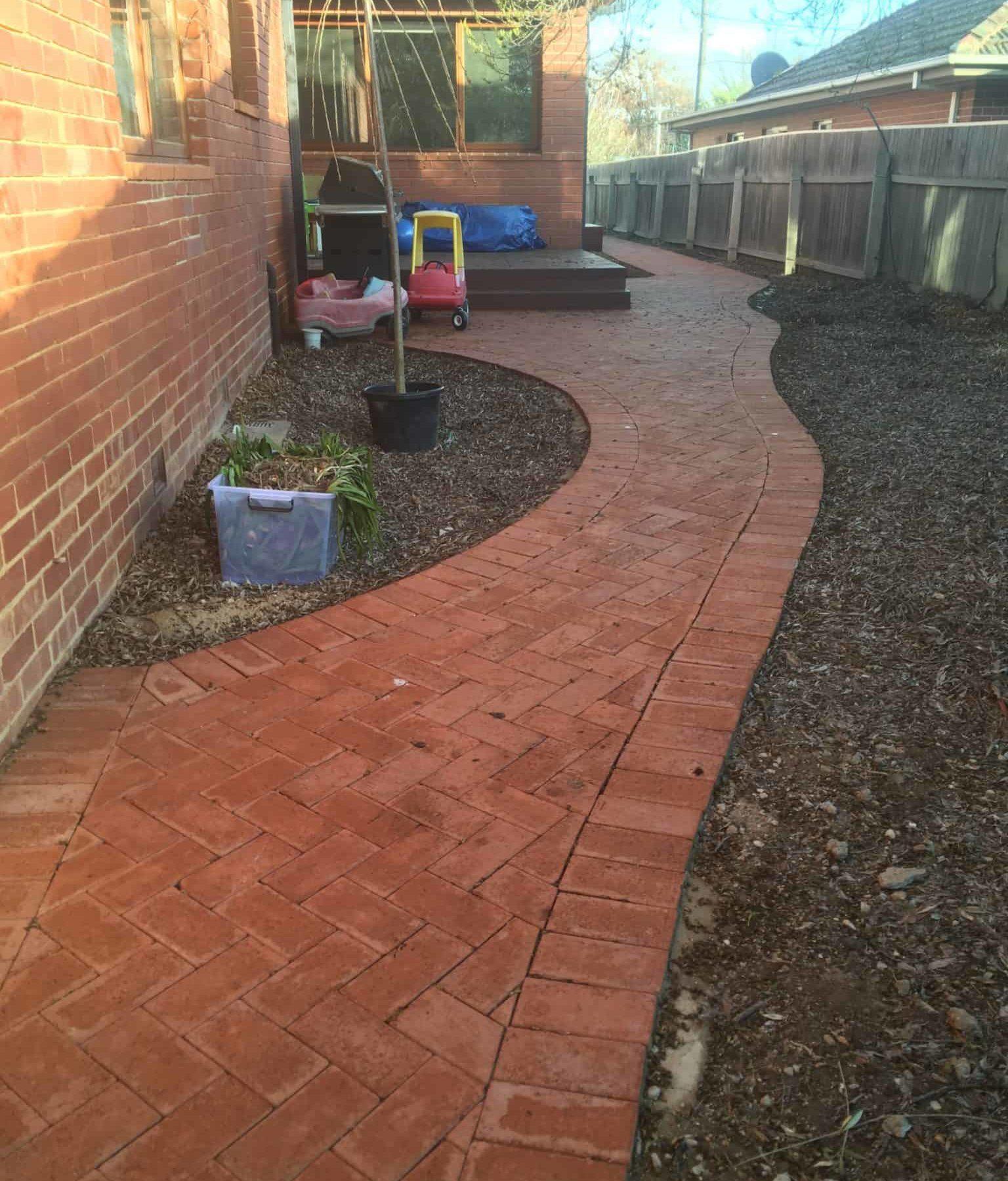
Well-planned outdoor paving can make a property more functional, attractive and easier to maintain. Whether you are improving a driveway, creating a comfortable patio or upgrading a swimming pool area, paving installation in Canberra ACT requires careful consideration of the local climate, ground conditions, materials and intended use. Choosing suitable pavers is important, but the quality of the preparation and installation also plays a major role in how well the finished surface performs over time.
Choosing Paving for Different Outdoor Areas
Every outdoor space has different requirements. Before selecting materials or patterns, consider how the area will be used and the amount of traffic it is likely to receive.
Driveway Paving
Driveways need a strong, stable surface that can support the weight of vehicles. Pavers should be suitable for regular traffic and installed over a properly compacted base. The thickness and type of paver, ground conditions and expected vehicle loads should all influence the selection.
A well-designed driveway should also direct rainwater away from garages, buildings and neighbouring properties. A suitable slope and drainage arrangement can help prevent standing water and reduce the risk of surface movement.
Swimming Pool Paving
Pool surrounds need to balance appearance, comfort and safety. Pavers should provide adequate grip when wet and remain comfortable underfoot during warmer weather. Their surface texture, colour and heat absorption are worth considering before making a choice.
Proper drainage is particularly important around swimming pools. Water should flow away from the pool edge without creating puddles or slippery areas. A neat, consistent finish can also help the pool area feel connected to the rest of the garden.
Pathways, Patios and Entertainment Areas
Garden pathways should provide safe and convenient access between different parts of a property. Pavers need to sit evenly to minimise trip hazards, especially where children, older people or visitors regularly walk.
Patios and outdoor entertainment areas offer more flexibility in design. Larger pavers can create a clean, contemporary appearance, while smaller units can introduce patterns and visual detail. Consider furniture placement, access points and how the paved area connects with lawns, gardens and outdoor living spaces.
Understanding Different Paving Methods
The right installation method depends on the project, site conditions, materials and expected use. Three common approaches are segmental, rigid and permeable paving.
Segmental Paving
Segmental paving uses individual pavers laid together over a prepared base, usually with jointing material between them. It is commonly used for driveways, paths and patios.
One advantage is that individual units can often be lifted and replaced if repairs or underground maintenance are needed. However, the base and edge restraints must be properly prepared to help prevent pavers from shifting or spreading apart.
Rigid Paving
Rigid paving generally involves fixing paving units to a concrete base using an appropriate bedding or bonding system. It can provide a stable finish for certain applications, depending on the design and site conditions.
The concrete base must be designed and installed correctly. Poor drainage, movement in the underlying ground or inadequate joints can contribute to cracking and other problems. Expansion and movement considerations should be addressed as part of the installation plan.
Permeable Paving
Permeable paving is designed to allow rainwater to pass through gaps or specially designed surfaces into a prepared drainage layer below. It can help manage stormwater by reducing the amount of runoff from suitable paved areas.
This method needs an appropriate sub-base and drainage design. Soil type, groundwater conditions, expected rainfall and maintenance requirements should be assessed before installation. Regular removal of debris is also important to help maintain permeability.
Selecting the Right Paving Materials
Pavers are available in several materials, each with different characteristics, finishes and maintenance needs.
-
Concrete pavers: Available in many shapes, sizes, colours and textures. They are a versatile option for driveways, patios and pathways, although their quality and suitability depend on the product selected.
-
Clay pavers: Known for their traditional appearance and natural colour variations. They can suit both classic and contemporary outdoor designs.
-
Recycled pavers: Reclaimed or recycled paving materials can be useful where reducing material waste is a priority. Check their condition, consistency and suitability for the intended application before installation.
-
Natural stone pavers: Materials such as sandstone, granite and other natural stones offer distinctive colours and textures. Their porosity, surface finish and sealing requirements vary, so selection should be based on the location and expected exposure.
The best choice is not necessarily the most expensive material. Consider the amount of use, local weather exposure, slip resistance, appearance and long-term maintenance before deciding.
Why Excavation and Base Preparation Matter
A paving surface is only as reliable as the foundation beneath it. Skipping preparation or taking shortcuts can lead to uneven areas, sinking pavers, poor drainage and premature repairs.
The process generally begins with excavation to the required depth. The depth depends on the existing ground, paving material, intended use and construction method. Soft or unsuitable soil may need to be removed and replaced with an appropriate base material.
The base is then placed in suitable layers and compacted to create a stable foundation. Proper compaction helps reduce future movement under foot or vehicle traffic. Edge restraints may also be needed to keep the paved area in position.
Before laying the pavers, the installer should check levels, falls and drainage arrangements. These details are especially important in areas that experience heavy rain or where water could collect near buildings.
Proper Installation and Finishing
Accurate installation involves more than arranging pavers in an attractive pattern. Units should be laid to the planned alignment, with consistent joints and appropriate support. Cutting and fitting around edges, drains and existing structures should be completed carefully.
For segmental paving, suitable jointing material is applied and worked into the gaps. The surface is then compacted using equipment appropriate for the paver type, often with protective measures to prevent damage. Rigid paving requires the correct bedding, bonding and jointing approach for the selected materials.
A final inspection should check for loose or rocking units, uneven transitions, blocked drainage points and areas where water may collect. Addressing these issues before the project is considered complete can help avoid future inconvenience.
Durability, Maintenance and Safety
Regular care can extend the useful life and appearance of a paved area. Sweep away leaves, soil and debris before they accumulate. Clean stains using products suitable for the paving material, as harsh chemicals may damage some surfaces.
Check the paving periodically for movement, damaged joints, loose units or drainage problems. Replace broken pavers where necessary and replenish jointing material when it becomes worn or displaced. Natural stone may need specific cleaning or sealing products, depending on its characteristics.
Safety should remain a priority throughout the design and maintenance process. Choose suitable slip-resistant surfaces for pool surrounds and frequently used paths. Keep transitions between paved areas and lawns even, and ensure steps, edges and changes in level are easy to identify.
Creating Outdoor Spaces That Last
Successful paving begins with a clear plan. Consider how each area will be used, select materials that suit the conditions and pay close attention to excavation, base preparation and drainage. A driveway, pool surround, pathway or patio may have different requirements, so the installation method should match the purpose of the space.
By making informed choices and maintaining the finished surface regularly, property owners can create outdoor areas that are practical, safe and visually appealing. Good paving is not simply about the appearance of the pavers; it is about building a stable surface that works well for everyday life and remains useful over time.

 English
 Arabic
 French
 Spanish
 Portuguese
 Turkish
 Dutch
 Italiano
 Russian
 Romaian
 Portuguese (Brazil)
 Greek
