


5 Exercises That Make Everyday Activities Easier
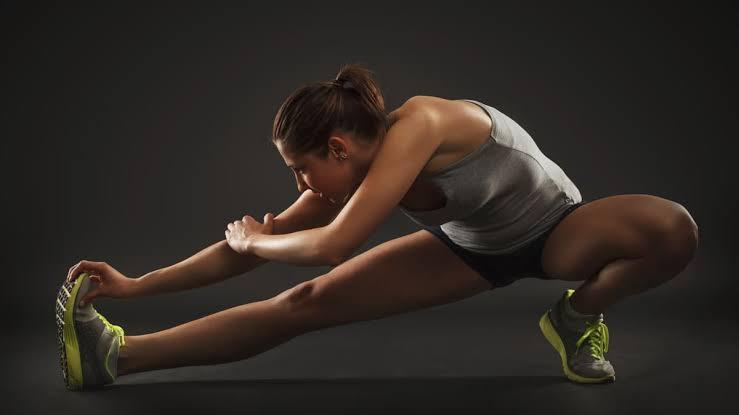
Everyday activities such as climbing stairs, carrying groceries, bending to pick something up, or getting out of a chair require strength, balance, and coordination. When these abilities become weaker, even simple tasks may start feeling tiring or uncomfortable.
Regular exercise can help maintain the physical abilities needed for daily movement. You do not need complicated gym equipment or an intense workout routine to get started. A few basic exercises can help improve strength, stability, and confidence during everyday activities.
Why Is Everyday Functional Strength Important?
Functional strength refers to the ability to perform movements used in daily life.
These movements involve multiple muscles and joints working together. For example, standing up from a chair requires coordinated movement of the hips, knees, ankles, and core muscles.
Improving functional strength may help with:
-
Walking and climbing stairs
-
Lifting and carrying objects
-
Maintaining balance
-
Getting up from a sitting position
-
Performing household activities
-
Improving movement confidence
Here are five exercises that can help develop these abilities.
1. Chair Squats for Easier Sitting and Standing
Chair squats strengthen the muscles around the hips and thighs.
These muscles play an important role when getting up from a chair, using the toilet, or climbing stairs.
How to Perform
-
Stand in front of a stable chair with your feet shoulder-width apart.
-
Slowly bend your hips and knees as though you are about to sit.
-
Lightly touch the chair or sit down with control.
-
Push through your feet to return to standing.
-
Repeat 8–12 times if comfortable.
Beginners can use a higher chair or their hands for support.
2. Step-Ups for Better Stair Climbing
Step-ups help strengthen the legs while improving balance and coordination.
How to Perform
-
Stand in front of a low, stable step.
-
Place one foot on the step.
-
Push through that foot to raise your body.
-
Slowly step back down.
-
Repeat on the other side.
Start with a low step and use a handrail when needed.
This exercise can be useful for people who want to improve their ability to climb stairs comfortably.
3. Wall Push-Ups for Upper-Body Strength
Pushing movements are used when opening heavy doors, moving furniture, or supporting yourself during certain activities.
Wall push-ups provide a beginner-friendly way to strengthen the chest, shoulders, and arms.
How to Perform
-
Stand facing a wall.
-
Place both palms against the wall at shoulder height.
-
Slowly bend your elbows and move your chest towards the wall.
-
Push back to the starting position.
-
Repeat 8–12 times.
Move your feet closer to the wall if you need to make the exercise easier.
4. Standing Heel Raises for Walking Stability
The calf muscles help support walking, standing, and climbing stairs.
Heel raises can strengthen these muscles and improve ankle control.
How to Perform
-
Stand behind a stable chair or near a counter.
-
Hold the support lightly.
-
Slowly raise your heels off the floor.
-
Pause briefly.
-
Lower your heels with control.
Repeat according to your comfort and balance.
5. Bird Dog Exercise for Core Stability
The bird dog exercise helps improve trunk control and coordination.
How to Perform
-
Begin on your hands and knees.
-
Keep your back in a comfortable, neutral position.
-
Slowly extend one arm forward and the opposite leg backward.
-
Hold briefly without twisting your body.
-
Return to the starting position and switch sides.
If the full movement feels difficult, begin by extending only one arm or one leg at a time.
How Often Should You Perform These Exercises?
Beginners may start with two or three sessions per week, allowing recovery between strengthening sessions.
The number of repetitions and exercise difficulty should depend on individual strength, mobility, and health conditions.
If you experience persistent pain, dizziness, or unusual discomfort, stop and seek appropriate professional advice.
Why Exercise Should Match Your Abilities
Not everyone has the same fitness level, movement limitations, or physical goals.
Someone recovering from an injury may require a different exercise programme from someone who wants to improve general fitness.
Age, balance, strength, medical conditions, and previous injuries should all be considered when choosing exercises.
Make Daily Movement Easier With Consistent Exercise
Small improvements in strength, mobility, and balance can make a meaningful difference to everyday life. Practising suitable exercises consistently can help maintain independence and improve confidence during routine activities.
Dr. Vigil’s Advanced Physiotherapy provides individualised movement and exercise guidance. Through Functional Fitness Training, individuals can work towards improving strength, stability, coordination, and physical abilities needed for everyday activities.

 English
 Arabic
 French
 Spanish
 Portuguese
 Deutsch
 Turkish
 Dutch
 Italiano
 Romaian
 Portuguese (Brazil)
 Greek
