


A More Confident Smile: Understanding Dental Veneers and Modern Smile Enhancement in Dubai
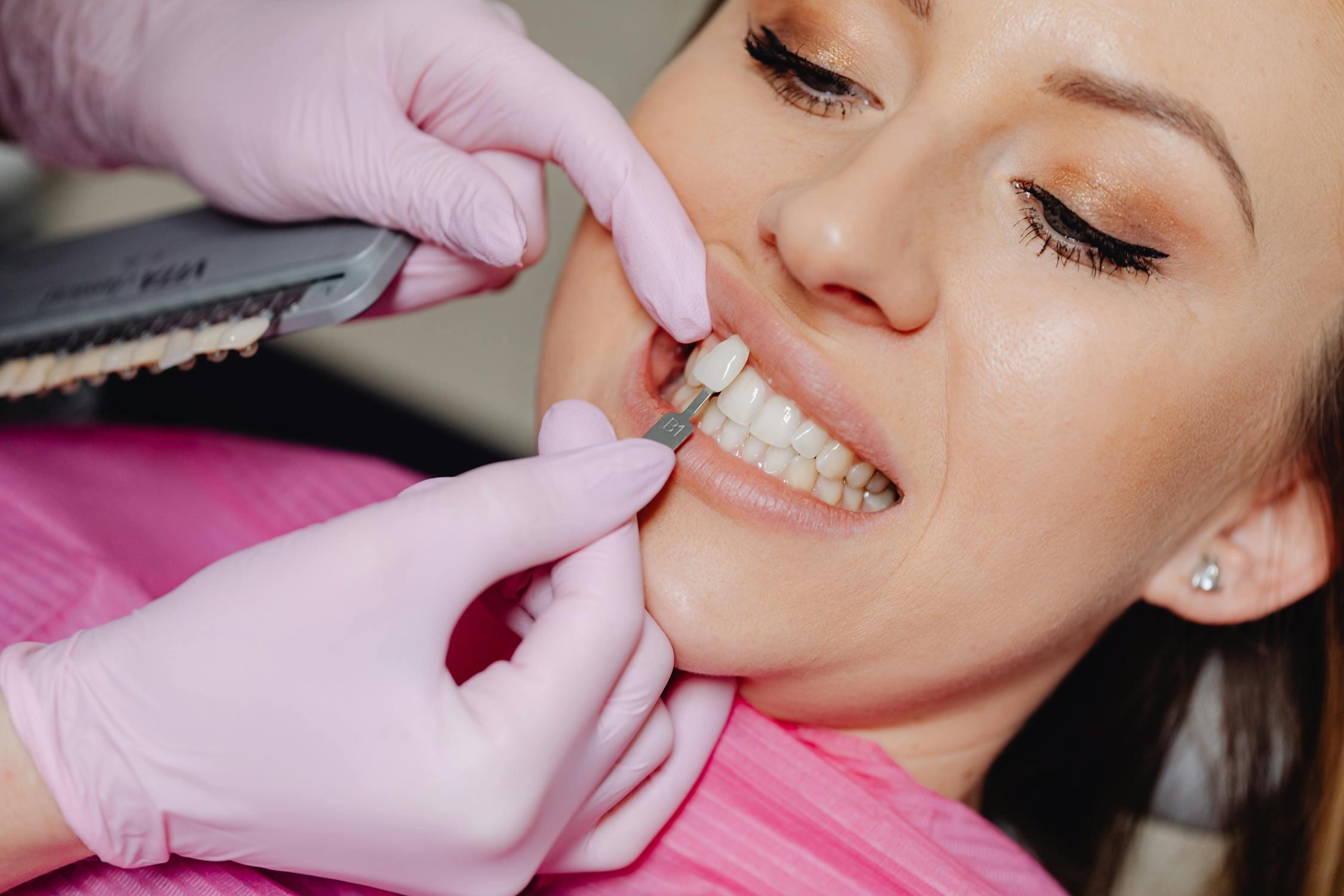
A confident smile can make a lasting impression, but not everyone feels comfortable showing their teeth. Discolouration, uneven edges, small gaps, chipped enamel and irregular tooth shapes can affect the appearance of an otherwise healthy smile. Fortunately, modern cosmetic dentistry offers several solutions to address these concerns without necessarily requiring extensive dental procedures. Dental veneers are among the most popular options for people who want to improve the appearance of their teeth while maintaining a natural-looking result. With advanced dental materials and personalised treatment approaches, Dental Veneers Dubai services provide individuals with opportunities to enhance their smiles according to their aesthetic preferences and dental needs.
What Are Dental Veneers and How Do They Work?
Dental veneers are thin, customised coverings designed to fit over the front surfaces of natural teeth. They are commonly made from porcelain or composite resin and are carefully shaped to complement the patient's facial features, tooth proportions and existing smile. Their primary purpose is to improve the visible appearance of teeth by addressing cosmetic imperfections such as stains, minor chips, uneven shapes and small spaces between teeth.
Before treatment, a dentist evaluates the condition of the teeth and surrounding gums to determine whether veneers are an appropriate option. The process involves understanding the patient's expectations, selecting suitable materials and planning the final appearance. Depending on the type of veneer selected, a small amount of enamel may need to be removed to create sufficient space for a comfortable and natural fit.
Once prepared, the veneers are designed to match the desired colour, size and shape. They are then attached to the teeth using specialised dental bonding materials. The result is a customised smile enhancement that blends with the surrounding teeth.
Different Types of Dental Veneers Available
Choosing the right veneer material is an important part of cosmetic dental treatment. Different materials offer different aesthetic qualities, durability levels and preparation requirements. A dentist can recommend an option based on the patient's dental condition, lifestyle and expectations.
Porcelain Veneers: Porcelain veneers are widely preferred for their natural appearance and stain resistance. Their light-reflecting properties closely resemble natural tooth enamel, helping create a realistic smile. They are individually manufactured to achieve the desired shape and shade. With appropriate oral hygiene and professional dental care, porcelain veneers can provide long-lasting cosmetic improvement.
Composite Veneers: Composite veneers are made using tooth-coloured resin material that is applied and shaped directly onto the teeth or prepared separately. They can be a suitable option for people looking to address minor cosmetic concerns. Composite treatments may require less enamel preparation, depending on the individual case. However, they are generally more susceptible to staining and wear than porcelain alternatives.
Minimal-Preparation Veneers: Some veneer systems are designed to require little or no enamel removal in suitable cases. These options may appeal to patients who prefer a conservative approach to cosmetic dentistry. However, they are not appropriate for everyone, as tooth positioning, existing dental structure and the desired outcome influence treatment suitability.
Dental Problems That Veneers Can Improve
Veneers are primarily used to address cosmetic concerns affecting the visible surfaces of teeth. They can improve several imperfections and create a more balanced appearance without changing the entire structure of the mouth.
One common concern is persistent tooth discolouration. Certain stains caused by medication, ageing or previous dental treatments may not respond effectively to conventional whitening procedures. Veneers can cover these visible imperfections with a carefully selected shade.
Chipped or slightly worn teeth are another reason people consider veneers. Small fractures and irregular edges can make a smile appear uneven. Customised coverings can restore a more consistent shape and improve the overall appearance of the affected teeth.
Small gaps between teeth may also be addressed through veneers in appropriate cases. By adjusting the width and shape of individual coverings, a dentist can create a more harmonious appearance. Similarly, teeth that appear slightly smaller, uneven or irregularly shaped may benefit from cosmetic enhancement.
However, veneers are not a universal solution for every dental problem. Significant tooth misalignment, severe bite issues, untreated decay and gum disease may require other treatments before cosmetic procedures can be considered.
The Process of Getting Dental Veneers in Dubai
Understanding the treatment journey can help patients feel more prepared before making a decision. Although the exact process varies according to the selected material and individual dental condition, veneer treatment generally involves several stages.
The first stage is a comprehensive dental consultation. During this appointment, the dentist examines the teeth, gums and bite alignment. Patients can discuss their concerns, preferred smile appearance and desired results. Photographs, dental impressions or digital scans may also be used to support treatment planning.
The second stage involves preparing the teeth when necessary. For traditional porcelain veneers, the dentist may remove a thin layer of enamel from the front surface. This creates room for the veneer and helps prevent an unnecessarily bulky appearance. Temporary veneers may be provided while permanent ones are being manufactured.
The next stage involves designing and fitting the customised veneers. Their colour, shape and dimensions are checked carefully to ensure they complement the patient's natural features. Once the fit is approved, the dentist uses dental bonding materials to secure them in place.
A final assessment ensures that the veneers feel comfortable and that the bite remains balanced. Patients may receive instructions about cleaning, eating habits and follow-up appointments to support the longevity of their treatment.
How to Choose a Natural-Looking Veneer Shade
Selecting the correct shade is essential for achieving an attractive smile. While some people prefer noticeably brighter teeth, others want a subtle improvement that looks close to their natural enamel colour.
A suitable shade should complement the patient's complexion, facial features and surrounding teeth. Choosing an excessively white colour can sometimes make veneers appear artificial, particularly when their shape and translucency do not resemble natural teeth.
Dentists generally consider several factors when recommending a shade, including the colour of existing teeth, the patient's preferences and the overall smile design. The shape and surface texture of the veneers also influence their appearance.
It is worth discussing different shade options during the consultation rather than making a decision based solely on photographs or online examples. A personalised approach helps create a balanced appearance that remains appropriate for the individual.
Are Dental Veneers Permanent?
Dental veneers are considered a long-term cosmetic treatment, but their lifespan depends on the material, preparation technique and daily oral care. Porcelain veneers can often last approximately 10 to 15 years or longer with proper maintenance, while composite veneers generally have a shorter lifespan.
Traditional porcelain veneers usually involve removing a small amount of natural enamel. Because enamel does not regenerate, this preparation is generally irreversible. Patients should understand this before proceeding with treatment.
Veneers can also become damaged, loosen or require replacement over time. Habits such as biting fingernails, chewing hard objects and opening packaging with teeth may increase the risk of damage.
Regular dental examinations help identify potential problems early. If a veneer develops a crack or becomes detached, professional assessment is important rather than attempting to repair it independently.
How to Maintain Your Veneers After Treatment
Proper maintenance plays an important role in preserving both veneers and the natural teeth underneath them. Although porcelain veneers are relatively resistant to staining, the surrounding natural teeth and bonding areas still require regular attention.
Brush twice daily using a soft-bristled toothbrush and non-abrasive toothpaste. Aggressive brushing and highly abrasive products may affect the appearance of dental restorations or irritate the gums.
Flossing once a day helps remove food particles and plaque from between the teeth. Maintaining healthy gums is particularly important because gum recession can expose the edges of veneers and affect the overall appearance of the smile.
Patients should also avoid biting hard objects such as ice, pens and hard sweets. Those who grind or clench their teeth may benefit from discussing a custom night guard with their dentist.
Routine dental check-ups allow professionals to monitor the condition of veneers, assess the surrounding teeth and provide appropriate cleaning advice. Good oral hygiene remains essential even after achieving the desired cosmetic results.
Who Is a Suitable Candidate for Dental Veneers?
Veneers may be appropriate for adults who want to improve the appearance of otherwise healthy teeth. People with persistent staining, minor chips, small gaps or uneven tooth shapes may benefit from an individual assessment.
Healthy gums and sufficient natural tooth structure are important considerations. Patients with untreated cavities, active gum disease or significant enamel damage may need preliminary dental treatment.
Individuals who frequently grind their teeth should also discuss potential risks before choosing veneers. Excessive pressure can increase the likelihood of cracks, fractures or bonding problems.
A professional consultation is the best way to understand whether veneers are suitable or whether alternatives such as teeth whitening, dental bonding, orthodontic treatment or crowns would be more appropriate.
What to Consider Before Investing in Cosmetic Dentistry
Cosmetic dental treatment is a personal decision, and patients should consider more than the immediate visual outcome. Understanding the procedure, expected maintenance and possible limitations helps establish realistic expectations.
Ask about the recommended veneer material, the amount of natural enamel that may need to be removed and the expected lifespan of the restoration. It is also useful to discuss the dentist's experience with cosmetic smile design and how the final shade and shape will be selected.
Treatment costs can vary depending on the number of teeth involved, the material used, laboratory requirements and the complexity of the case. Requesting a personalised treatment plan provides a clearer understanding of the overall investment.
Most importantly, cosmetic improvements should not come at the expense of dental health. A suitable treatment plan should prioritise healthy teeth, comfortable function and a natural-looking result.
For individuals considering a smile transformation, professional guidance can make the decision easier and help identify the most suitable approach. At Euromed Clinic Dubai, patients can explore personalised cosmetic dental solutions, discuss their smile goals with qualified dental professionals and receive guidance on whether veneers are an appropriate option for achieving a healthier-looking, more confident smile.

 English
 Arabic
 Spanish
 Portuguese
 Deutsch
 Turkish
 Dutch
 Italiano
 Russian
 Romaian
 Portuguese (Brazil)
 Greek
