


How to Implement a Clean Waste Separation Protocol for Cello Cones, Pins, and Organic Residue
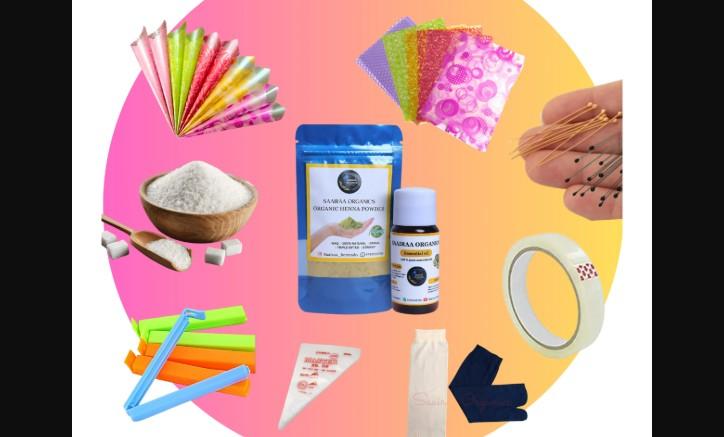
The modern beauty and body art industry operates under increasing scrutiny regarding hygiene, sanitation, and environmental responsibility. While henna application is celebrated as an organic, non-invasive art form, managing the studio waste generated during daily sessions requires meticulous operational planning. Professional henna artists and salon managers generate a continuous stream of mixed waste materials, ranging from non-biodegradable cellophane (cello) cones and stainless steel opening pins to organic botanical paste scrapings and single-use applicator tools.
Disposing of these disparate items into a single municipal trash bin creates unnecessary landfill waste, introduces sharp-object injury hazards for cleaning staff, and violates modern waste disposal standards. Establishing a structured, multi-stream waste separation protocol ensures studio compliance with environmental health mandates while maintaining a clean, professional working environment that protects both clients and practitioners.
Auditing Studio Waste: Categorizing Cello Cones, Pins, and Organic Paste
To build an effective waste segregation protocol, studio managers must first categorize the specific types of waste produced during pre-application preparation, active design sessions, and post-application cleanup. Each waste type presents distinct physical characteristics and decomposition rates, dictating different handling routines.
The primary waste categories in a professional henna workflow include:
-
Inert Plastic Waste (Cello Cones & Wrap): Empty applicator cones rolled from polypropylene or cellophane sheets, sealant tapes, and synthetic mixing bags that do not biodegrade in standard compost streams.
-
Sharp Metallic Components (Closure Pins & Applicator Tips): Stainless steel or nickel-plated pins used to seal cone tips and regulate paste flow, which present puncture risks if mixed with soft trash.
-
Organic Plant Residue (Fresh & Dried Henna Paste): Excess paste mixed from Lawsonia inermis powder, lemon juice, sugars, and natural essential oils, alongside biodegradable paper towels used for skin wiping.
Understanding these material differences allows salon directors to set up dedicated collection bins at every workstation, preventing cross-contamination at the source.
Managing Plastic Applicators and Cello Cone Disposal
Cellophane cones are the most ubiquitous disposable tool in modern henna application. Constructed from rolled synthetic sheets to ensure smooth paste flow, used cones often contain residual paste stuck to their interior walls. Throwing paste-filled plastic cones directly into standard plastic recycling streams contaminates recyclable batches, causing processing centers to reject the materials.
To handle plastic applicator waste responsibly, studio protocols should require artists to squeeze out all excess paste into the organic waste bin before discarding the empty plastic sleeve. Dry, emptied cello cones should be collected in a designated dry-plastic waste container. Where biodegradable PLA (polylactic acid) or cellophane cones are utilized, staff must ensure these materials are directed to commercial composting facilities rather than standard recycling lines, as bio-plastics require industrial thermal conditions to decompose properly.
Safe Handling Protocols for Pins and Small Metallic Sharps
Although small stainless steel pins used to plug cone tips are not medical hypodermic needles, they still fall under sharps hazard guidelines in commercial salon environments. Loose pins discarded into plastic garbage bags can easily puncture the plastic, exposing housekeeping personnel and municipal waste handlers to accidental pin-prick injuries and biological contamination from skin contact.
Salons must implement a zero-tolerance policy for loose metal pin disposal in general trash bins:
-
Dedicated Micro-Sharps Containers: Place small, puncture-resistant biohazard sharps boxes or rigid sealed plastic containers at every henna application station.
-
Immediate Pin Containment: Instruct artists to drop seal pins directly into the sharps box the moment a cone is opened or permanently decommissioned.
-
Sealed Disposal Routines: Once the micro-sharps container reaches two-thirds capacity, seal the lid permanently before routing it through licensed commercial waste contractors or local municipal hazardous waste collection points.
Eliminating loose pins from general waste streams protects staff from avoidable injuries and maintains rigorous studio safety standards.
Composting and Organic Residue Management
The primary byproduct of henna artistry is natural paste residue composed of ground plant matter and organic essential oils. Unlike synthetic hair dyes or chemical pigments, pure henna paste is 100% biodegradable and suitable for organic waste processing or home composting systems, provided it does not contain synthetic chemical additives.
During cleanup, technicians should scrape leftover paste from mixing bowls and applicator tools directly into an organic waste receptacle using flexible silicone spatulas. Cotton pads, biodegradable paper towels, and wooden mixing sticks stained with natural paste can also enter the compost stream. Studio managers must ensure that "black henna" or chemical dyes containing paraphenylenediamine (PPD) are strictly excluded from organic compost bins, as these toxic synthetic compounds leach harmful chemicals into the surrounding soil and groundwater.
Professional Skill Development and Studio Sanitation Governance
Establishing operational protocols is only effective when staff members possess the technical knowledge and discipline to maintain them consistently. Studio owners and lead artists must enforce daily cleanup checklists, conduct regular station audits, and provide continuous training on hygiene management and product handling.
Enrolling aspiring practitioners in a comprehensive henna course provides the fundamental grounding required to master paste formulation, hygienic application techniques, and professional studio safety standards. Formal education equips artists with the practical skills needed to maintain pristine sanitary conditions, prevent cross-contamination, and execute responsible waste management across all client services.
Long-Term Benefits of Studio Waste Segregation
Implementing a clean waste separation protocol for cello cones, pins, and organic residue transforms studio operations from haphazard disposal to a streamlined, eco-conscious workflow. By segregating non-biodegradable plastics, containing metallic sharps, and composting natural plant matter, beauty professionals demonstrate genuine environmental stewardship.
Ultimately, maintaining rigorous waste protocols protects workers from physical injuries, aligns the studio with modern commercial sanitation standards, and reinforces a professional image that reassures clients of their safety and care.

 English
 Arabic
 French
 Spanish
 Portuguese
 Deutsch
 Turkish
 Dutch
 Italiano
 Russian
 Portuguese (Brazil)
 Greek
