


What Is Basic Security Officer Training and Why Is It Important?
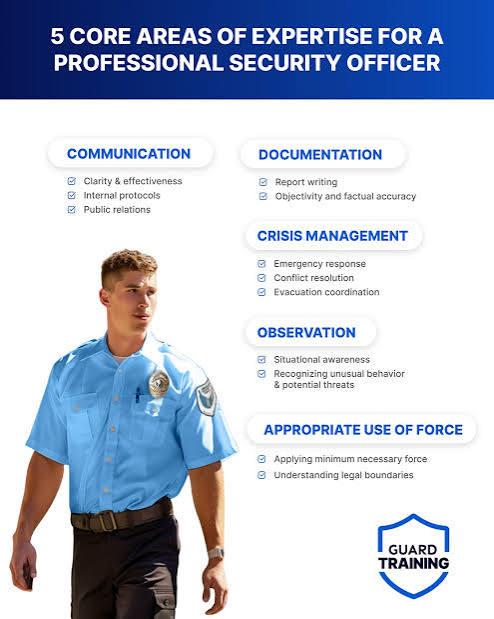
Safety is important in every workplace, business, and public area. Offices, schools, shopping centers, warehouses, and commercial buildings all need proper security to protect people and property. Businesses want employees and visitors to feel safe while they are inside their buildings. For this reason, trained security officers play an important role in maintaining a secure environment.
However, becoming a professional security officer requires more than standing near an entrance or watching a building. Security officers need to understand their responsibilities, recognize possible risks, communicate with people, and respond to different situations. They must also know how to follow workplace rules and maintain professional behavior.
This is where basic security officer training becomes important. It provides individuals with the knowledge and essential skills needed to understand security work. It also helps beginners learn how to perform their duties safely and responsibly.
Whether you are interested in starting a security career or improving your professional knowledge, understanding this training can help you make better decisions about your future.
What Is Basic Security Officer Training?
Basic security officer training is an educational program that introduces individuals to the main responsibilities and skills required for security work. It helps beginners understand how to protect people, monitor properties, control access, and identify possible security concerns.
During training, students learn about different security situations and the correct ways to handle them. They also understand why communication, observation, discipline, and responsibility are important in this profession.
The training may include classroom lessons, practical activities, safety instructions, and assessments. The exact subjects depend on the training provider and the requirements of the location where a person wants to work.
The main purpose is to prepare individuals with a strong foundation before they begin performing security duties.
1. Helps Beginners Understand Security Responsibilities
People who are new to the security field may not fully understand what a security officer does every day. Their responsibilities can be different depending on the workplace and the type of security assignment.
Basic security officer training explains the daily duties of a security professional. These may include monitoring entrances, checking visitor information, conducting property patrols, observing security cameras, and reporting unusual activities.
Students also learn that security officers must follow instructions and workplace policies. They should understand the limits of their authority and know when to contact a supervisor or emergency service.
Learning these responsibilities helps beginners understand their role and prepares them for real workplace situations.
2. Develops Observation and Awareness Skills
Observation is one of the most important skills in security work. Security officers need to pay attention to their surroundings and notice activities that may create safety concerns.
During training, students learn how to observe people, vehicles, entrances, parking areas, and other important locations. They also learn to recognize unusual behavior and report concerns through the correct channels.
For example, an officer working in an office building may notice someone trying to enter a restricted area without permission. Recognizing this activity early can help prevent a possible security problem.
Good observation skills allow security officers to remain alert and make better decisions while performing their duties.
3. Improves Communication Skills
Security officers interact with many different people throughout their working hours. These may include employees, customers, visitors, managers, and emergency responders.
Basic security officer training helps students understand how to communicate clearly and respectfully. They learn how to listen carefully, provide directions, answer basic questions, and explain workplace rules.
Communication is also important when handling disagreements. A security officer should remain calm and avoid using words that may make a difficult situation worse.
For example, if a visitor becomes upset because they cannot enter a restricted area, the officer should explain the access rules politely and guide the person toward the correct department.
Good communication helps maintain a professional environment and reduces unnecessary conflicts.
4. Teaches Access Control and Visitor Management
Many workplaces have restricted areas that should only be entered by authorized people. These locations may contain private documents, valuable equipment, confidential information, or important business materials.
Security officers help control access to these areas. Training introduces students to basic procedures such as checking identification, confirming visitor details, monitoring entrances, and following company entry policies.
Students may also learn how to maintain visitor records and direct guests to approved locations.
For example, a visitor arriving at a commercial building may need to register before entering. A trained security officer can guide the person through the process and help ensure that workplace rules are followed.
These skills help businesses protect their facilities and maintain better organization.
5. Prepares Individuals for Emergency Situations
Emergencies can happen in any workplace. Fires, medical incidents, accidents, and suspicious activities may require quick and responsible action.
Basic security officer training introduces students to common emergency procedures. They learn how to identify an emergency, notify the appropriate people, and follow established safety plans.
Training may also cover evacuation procedures, emergency exits, assembly points, and basic ways to guide people away from dangerous areas.
For example, if a fire alarm sounds, a security officer may help direct employees and visitors toward safe exits according to the building's emergency plan.
These lessons help students understand the importance of staying calm and following the correct procedures instead of making rushed decisions.
6. Builds Conflict Management Skills
Disagreements and difficult situations are common in places where many people work or visit. Sometimes, arguments between individuals can disturb business operations or create safety concerns.
Security officers need to know how to manage these situations professionally. During training, students learn basic conflict management and de-escalation methods.
They are encouraged to remain calm, listen to concerns, communicate respectfully, and avoid unnecessary confrontation.
For example, if two visitors begin arguing inside a commercial building, a security officer may use calm communication to reduce tension and request additional assistance when needed.
These skills help security professionals maintain order and protect people without making situations worse.
7. Teaches Proper Incident Reporting
Reporting is another important responsibility of a security officer. Businesses need accurate information about security incidents, accidents, suspicious activities, and property damage.
During basic security officer training, students learn how to write simple and clear incident reports.
A report may include the date, time, location, people involved, details of the event, and actions taken. Students also learn why reports should contain facts rather than personal opinions.
For example, if an officer notices damage to a workplace entrance, they may need to record what they observed and inform the appropriate supervisor.
Proper reporting helps management understand security concerns and take suitable action.
8. Encourages Professional Behavior and Discipline
Professional behavior is important in every security position. Security officers represent the workplace where they are assigned, so they must act responsibly and treat people with respect.
Training helps students understand the importance of punctuality, honesty, discipline, personal appearance, and following instructions.
They also learn why they should protect private information and avoid sharing workplace details with unauthorized people.
A professional security officer should remain focused during working hours and complete assigned responsibilities carefully.
These habits help individuals build trust with employers, employees, and visitors.
9. Explains Workplace Safety and Legal Responsibilities
Security officers must understand the rules that apply to their work. Their authority is limited, and they should never act beyond their legal responsibilities.
Training may introduce students to workplace safety procedures, privacy rules, professional ethics, and basic legal requirements related to security duties.
They also learn why they must follow company policies and respect the rights of others.
Depending on the location and type of security position, additional licensing, background checks, or specialized training may be required.
Understanding these requirements helps future security officers avoid mistakes and perform their duties responsibly.
10. Provides a Foundation for Different Security Jobs
Security officers work in many types of environments. Each workplace has its own safety needs, daily activities, and security challenges.
Basic security officer training gives beginners knowledge that can be useful in different security settings.
For example, security officers may work in office buildings, retail stores, schools, warehouses, residential communities, and commercial properties.
Although their daily tasks may be different, many basic skills remain important. Observation, communication, access control, emergency awareness, and incident reporting are useful in almost every security environment.
This foundation can help individuals understand which type of security work matches their interests and abilities.
11. Builds Confidence for New Security Officers
Starting a new career can sometimes feel difficult, especially when a job involves responsibilities related to public safety.
Beginners may feel unsure about how to communicate with visitors, identify suspicious activities, or respond to unexpected situations.
Basic security officer training helps reduce this uncertainty by introducing students to common workplace situations and professional procedures.
As individuals understand their responsibilities and practice important skills, they can become more confident in their ability to perform security duties.
Confidence should always be supported by proper knowledge, training, and responsible decision-making.
12. Why Choose Blue Training Academy for Security Education?
Choosing a suitable training provider is an important step for anyone interested in entering the security field. Students should look for a learning environment that explains security responsibilities in a clear and practical way.
Blue Training Academy recognizes the importance of professional security education and the knowledge individuals need to understand security-related responsibilities.
Learning about observation, communication, workplace safety, emergency procedures, and professional behavior can help students build a stronger foundation.
Before choosing a course, individuals should review its subjects, training requirements, and completion details. They should also check whether additional licensing or certification requirements apply to their intended security position.
The right educational preparation can help individuals take meaningful steps toward their career goals.
Conclusion
Basic security officer training is an important starting point for individuals who want to understand the security profession. It introduces students to essential responsibilities and helps them develop skills in observation, communication, access control, emergency response, conflict management, and incident reporting.

 English
 Arabic
 French
 Portuguese
 Deutsch
 Turkish
 Dutch
 Italiano
 Russian
 Romaian
 Portuguese (Brazil)
 Greek
