


How to Prepare for Your First IV Drip Appointment
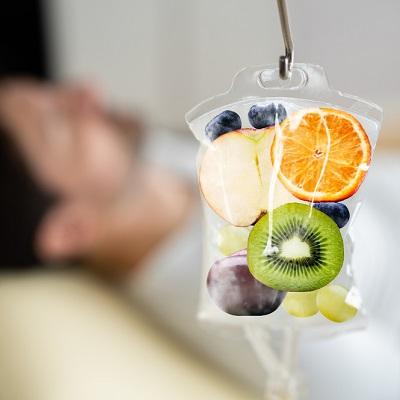
Preparing for a first IV drip appointment can make the experience more comfortable, convenient, and stress-free. Intravenous (IV) therapy is a treatment method that delivers fluids, vitamins, minerals, and other medically appropriate ingredients directly into the bloodstream through a small catheter placed in a vein. It is used for different medical purposes, including fluid replacement and addressing certain nutritional deficiencies. Understanding the procedure beforehand can help individuals feel more confident and know what to expect.
For individuals considering IV Drip in Oman, preparation begins with understanding their health needs and determining whether intravenous therapy is suitable. From reviewing medical history and staying appropriately hydrated to choosing comfortable clothing and following professional instructions, a few simple steps can help make the appointment smoother. Proper preparation also allows healthcare professionals to identify potential risks and select an appropriate treatment plan.
1. Understand What an IV Drip Appointment Involves
Before attending a first IV drip appointment, it is helpful for individuals to understand how the treatment works. An IV drip delivers a prepared solution directly into a vein, allowing fluids and selected ingredients to enter the bloodstream without passing through the digestive system.
Depending on the medical purpose, an IV formulation may contain:
-
Saline solution: Helps replace fluids and support hydration.
-
Electrolytes: Help maintain normal fluid balance and support muscle and nerve function.
-
Vitamin C: Supports normal immune system function and acts as an antioxidant.
-
B vitamins: Contribute to energy metabolism and normal cellular activity.
-
Minerals: Support several essential functions within the body.
-
Other prescribed ingredients: May be included when medically appropriate.
Not every IV drip contains the same ingredients. The formulation should be selected according to the individual's medical needs rather than general wellness trends.
A typical appointment begins with a health assessment, followed by preparation of the selected solution and insertion of a small catheter into a suitable vein. The infusion then takes place at a controlled rate.
A session may take approximately 30 to 60 minutes, although the duration depends on the type and volume of the solution. Understanding these basic steps can help reduce uncertainty, especially for someone receiving IV therapy for the first time.
2. Share Medical History and Current Health Information
One of the most important preparation steps is providing accurate medical information before treatment. IV therapy may not be appropriate for everyone, and certain health conditions can affect the safety of intravenous fluids or specific nutrients.
Healthcare professionals should be informed about:
Existing Medical Conditions
Individuals should disclose any diagnosed medical conditions, particularly kidney disease, heart problems, liver conditions, diabetes, and disorders affecting fluid or electrolyte balance.
For example, people with certain kidney or heart conditions may have difficulty managing additional fluids. Their treatment may require special precautions or an alternative approach.
Current Medications
All medications should be discussed before an infusion. This includes prescription medicines, over-the-counter products, and regular vitamin or mineral supplements.
Certain medications and supplements may interact with ingredients used in IV formulations or influence the individual's treatment requirements.
Allergies and Previous Reactions
Any known allergies should be reported, including reactions to medications, vitamins, minerals, or medical materials.
Individuals who have previously experienced an allergic reaction during an infusion should provide those details before another treatment is considered.
Pregnancy and Breastfeeding
Pregnant or breastfeeding individuals should inform the healthcare professional before receiving IV therapy. Some formulations may not be suitable during these periods, and treatment should only proceed when medically appropriate.
Providing complete health information helps professionals assess suitability, identify potential complications, and make informed decisions about the treatment.
3. Stay Hydrated and Eat Properly Before the Appointment
Appropriate hydration and nutrition can help individuals feel more comfortable before an IV drip session. However, preparation requirements may vary depending on the formulation and the purpose of treatment.
Maintain Normal Hydration
Individuals are generally encouraged to maintain their usual fluid intake before an appointment unless they have been given different instructions.
Drinking an appropriate amount of water can help prevent unnecessary dehydration and support general well-being.
However, excessive water consumption is not necessary. People with medical conditions that require fluid restrictions should follow their healthcare professional's recommendations instead of increasing their intake independently.
Avoid Attending on an Empty Stomach Unless Instructed
For many routine IV infusions, fasting is not required. Eating a light, balanced meal beforehand may help individuals feel more comfortable and reduce the possibility of feeling lightheaded.
Suitable food choices may include:
-
Fresh fruits.
-
Whole-grain toast.
-
Eggs or other protein-rich foods.
-
Yoghurt.
-
Light, balanced meals.
Very heavy meals may make some individuals uncomfortable during the session.
If the infusion is part of a specific medical procedure or involves ingredients requiring special preparation, the healthcare professional may provide different dietary instructions.
Limit Excessive Caffeine
Consuming large amounts of caffeine before an appointment may contribute to restlessness, increased heart rate, or difficulty relaxing in some individuals.
Moderate consumption and normal hydration are generally preferable, particularly for someone who feels nervous about their first infusion.
4. Choose Comfortable Clothing and Prepare for the Session
Practical preparation can make an IV drip appointment easier and more convenient.
Wear Comfortable Clothing
Loose-fitting clothing is generally a good choice. Since the IV catheter is commonly inserted into a vein in the arm or hand, clothing should allow easy access to the insertion area.
Short sleeves or sleeves that can be comfortably rolled up are particularly useful.
Tight sleeves, restrictive clothing, or accessories that make arm movement difficult may create unnecessary inconvenience.
Keep the Arm Relaxed
During the infusion, the individual usually remains seated in a comfortable position. Keeping the selected arm relaxed can make the procedure easier.
Excessive arm movement should be avoided while the catheter is in place to reduce the possibility of discomfort or disruption to the IV line.
Bring Essential Information
For a first appointment, individuals may find it helpful to bring:
-
A list of current medications.
-
Details of existing medical conditions.
-
Information about known allergies.
-
Relevant medical or laboratory reports, if requested.
-
Previous treatment records, where applicable.
Having this information available can help the healthcare professional complete the assessment more efficiently.
Plan Enough Time
Although many IV sessions take approximately 30 to 60 minutes, additional time may be needed for consultation, preparation, and post-treatment instructions.
Individuals should avoid scheduling an important activity immediately after the appointment, particularly when they are unsure how they will feel following their first session.
5. Ask Questions and Understand the IV Treatment Plan
A first IV drip appointment is an opportunity to understand the proposed treatment and discuss any concerns.
Individuals should feel comfortable asking questions before agreeing to an infusion. Clear communication helps ensure that expectations remain realistic and that the selected treatment is medically appropriate.
Some useful questions include:
What Is the Purpose of the IV Drip?
The individual should understand why the infusion is being recommended and what medical concern it is intended to address.
For example, an IV fluid infusion for dehydration serves a different purpose from intravenous treatment intended to correct a documented nutritional deficiency.
Which Ingredients Are Included?
Understanding the ingredients helps individuals identify possible allergies, interactions, or other concerns.
The healthcare professional should explain why each ingredient is included and whether it is necessary.
How Long Will the Session Take?
Knowing the expected duration helps individuals plan their schedules and understand how long they may need to remain seated.
Are There Any Potential Side Effects?
Every medical procedure has potential risks. Individuals should understand common side effects, possible complications, and the warning signs that require medical attention.
How Many Sessions May Be Needed?
There is no universal schedule for IV therapy. The number of sessions depends on the medical indication, treatment response, and individual health requirements.
Repeated infusions should not be recommended simply because more sessions are assumed to provide better results.
6. What to Expect During and After the First IV Drip Session
Knowing what happens during the procedure can help individuals feel more relaxed and prepared.
During the Infusion
The healthcare professional first selects an appropriate vein, usually in the arm or hand. The area is cleaned, and a small catheter is inserted into the vein.
The catheter is connected to the IV solution, which enters the bloodstream at a controlled rate.
Individuals may experience a brief pinching sensation during insertion. A cool feeling in the arm may also occur while fluids are being administered.
The infusion process is generally comfortable, and individuals can relax while the treatment is taking place.
However, they should immediately report unusual pain, burning, swelling, dizziness, or other unexpected symptoms.
Immediately After the Session
Once the infusion is complete, the catheter is removed, and the insertion site is covered.
Most individuals can return to their usual activities if they feel well and have no complications. However, the healthcare professional may recommend specific aftercare instructions depending on the treatment.
Some individuals may notice improvements in symptoms associated with dehydration after fluid replacement. In contrast, correcting nutritional deficiencies may require more time and follow-up treatment.
IV therapy does not guarantee immediate improvements in energy, immunity, or general wellness.
Important Aftercare Tips
Following the appointment, individuals should:
-
Follow all treatment and aftercare instructions.
-
Maintain appropriate hydration according to their medical needs.
-
Eat balanced meals and maintain healthy daily habits.
-
Monitor the catheter insertion area for unusual redness, pain, or swelling.
-
Avoid unnecessary repeat infusions.
-
Contact a healthcare professional if unexpected symptoms develop.
Severe dizziness, difficulty breathing, chest discomfort, or facial swelling requires urgent medical attention.
Frequently Asked Questions
1. Should someone eat before their first IV drip appointment?
For most routine IV infusions, fasting is not necessary unless specifically instructed. Eating a light, balanced meal beforehand may help individuals feel more comfortable and reduce the possibility of lightheadedness. Specific medical instructions should always take priority.
2. How much water should someone drink before an IV drip?
Individuals should generally maintain their normal hydration habits before an appointment. Excessive water consumption is unnecessary. Those with kidney disease, heart conditions, or prescribed fluid restrictions should follow their healthcare professional's advice.
3. How long does a first IV drip appointment take?
The infusion itself commonly takes approximately 30 to 60 minutes. However, the complete appointment may take longer because of the initial health assessment, treatment preparation, and aftercare instructions.
4. What should someone wear to an IV drip appointment?
Comfortable, loose-fitting clothing is recommended. Short sleeves or sleeves that can be easily rolled up make it easier for healthcare professionals to access the arm or hand for catheter placement.
5. Is it normal to feel nervous before a first IV drip?
Yes. Feeling slightly nervous before a new medical procedure is common. Understanding the treatment process, discussing concerns beforehand, and communicating with the healthcare professional can help individuals feel more comfortable.
6. Can someone return to normal activities after an IV drip?
Many individuals can resume their usual activities after an uncomplicated session. However, they should follow any specific aftercare instructions and avoid activities that could cause discomfort if they feel dizzy, tired, or unwell. Any concerning symptoms should be medically assessed.
Read More About IV Drip: https://hub.evangetic.com/blogs/9726/Do-You-Need-a-Prescription-for-an-IV-Drip

 English
 French
 Spanish
 Portuguese
 Deutsch
 Turkish
 Dutch
 Italiano
 Russian
 Romaian
 Portuguese (Brazil)
 Greek
