


Wall Patching: Restore Damaged Walls With Smooth and Lasting Repairs
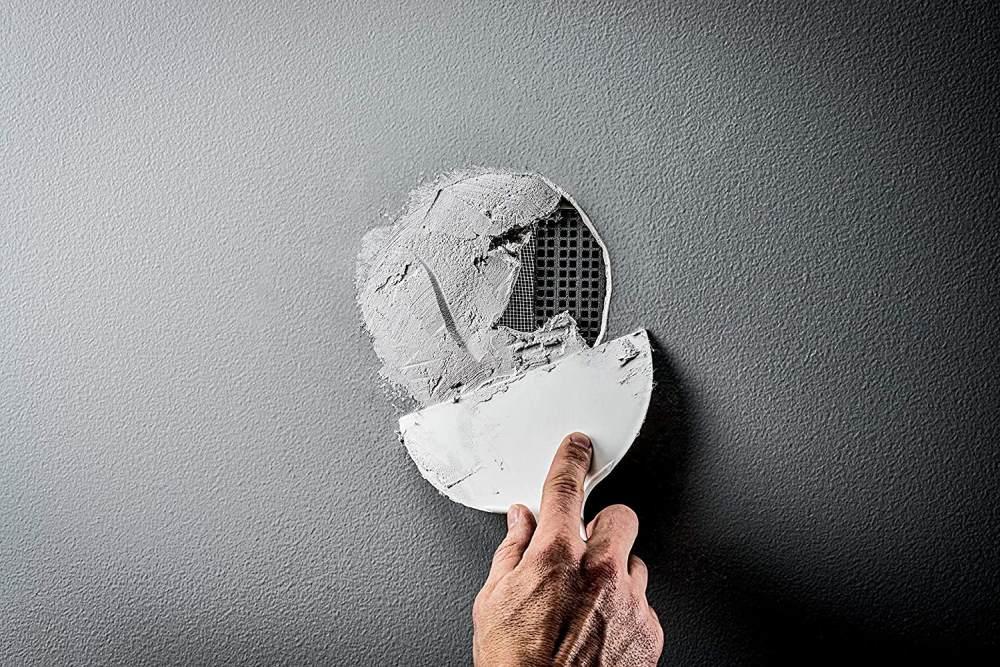
Walls can develop holes, cracks, dents, and other imperfections through everyday use, accidental impacts, moisture exposure, and aging materials. Even small areas of damage can affect the appearance of a room and make painted surfaces look uneven or neglected. Whether caused by moving furniture, removing wall fixtures, plumbing problems, or general wear, damaged walls should be repaired properly to maintain an attractive interior. Wall Patching is a practical solution for restoring damaged sections and preparing surfaces for painting or decoration. From filling small nail holes to repairing larger openings, the right approach can help create a smooth and consistent finish. With suitable materials, careful preparation, and quality workmanship, homeowners can improve the appearance of their walls and maintain a comfortable living environment.
Why Wall Patching Is Important for Your Home
Damaged walls can make an otherwise clean and well-maintained property look unfinished. Small holes, chipped corners, and visible cracks may become more noticeable over time, especially when sunlight highlights uneven surfaces. Wall Patching in Lynchburg helps restore the affected areas before the damage becomes more extensive. It also provides a suitable surface for painting, wallpaper installation, and other decorative finishes. In some cases, wall damage may indicate an underlying issue such as moisture, plumbing leaks, or building movement. Identifying the cause is important because covering the visible problem alone may not prevent it from returning. Proper repairs improve the appearance of interior spaces and help homeowners maintain their property more effectively.
Common Causes of Wall Damage
Walls can become damaged for many different reasons. Moving furniture, installing shelves, removing nails, and hanging pictures can leave holes and dents. Accidental impacts from doors, household equipment, or everyday activities may also create larger openings. Cracks can develop because of minor building movement, changes in temperature, or problems with previous repairs. Moisture from leaking pipes or roof damage may cause paint to bubble and wall materials to weaken. Wall Patching may be needed when these issues leave visible imperfections that affect the surface. Understanding what caused the damage helps determine the right repair method. If the problem involves ongoing moisture or repeated cracking, the underlying cause should be investigated before applying patching material.
Repairing Small Holes and Nail Marks
Small holes from nails, screws, picture hooks, and wall anchors are common in residential properties. Although these imperfections may seem minor, they can become noticeable after furniture is moved or decorations are removed. Effective Wall Patching begins with cleaning the affected area and removing loose material around the hole. A suitable filler or patching compound can then be applied and smoothed across the surface. Once the material dries, light sanding helps create an even finish. Larger holes may require a patching product or additional support depending on their size and the wall material. Proper preparation and careful finishing help the repaired area blend with the surrounding surface, making it easier to achieve a consistent appearance after painting.
Fixing Large Holes and Damaged Wall Sections
Large holes often require more than ordinary wall filler because the damaged area may not have enough support to hold repair material securely. These openings can occur when furniture strikes a wall, fixtures are removed incorrectly, or part of the surface becomes loose. Professional Wall Patching may involve cutting away unstable material, fitting a suitable patch, and securing it properly before applying joint compound or filler. The repaired section must be blended carefully with the surrounding wall to avoid raised edges or visible depressions. Multiple applications may be needed to achieve a smooth result. After drying, the area can be sanded and prepared for primer and paint. Choosing the correct repair method helps improve the strength and appearance of the finished surface.
Repairing Wall Cracks and Surface Imperfections
Cracks can develop around doors, windows, corners, and wall joints. Some are minor surface imperfections, while others may be connected to building movement or moisture problems. Before starting Wall Patching, examine the crack to understand its size, location, and whether it appears to be spreading. Loose paint and damaged material should be removed before applying an appropriate filler or repair compound. Larger or recurring cracks may require reinforcement or further inspection by a qualified professional. Simply painting over a crack usually provides only a temporary cosmetic improvement. Proper repair, smoothing, and preparation help create a more consistent surface. If cracks become wider, repeatedly return, or appear alongside structural warning signs, seek an appropriate professional assessment.
Preparing Patched Walls for Painting
A repaired wall needs proper preparation before it can be painted. Uneven filler, rough edges, and sanding marks may remain visible if the surface is not finished carefully. Quality Wall Patching includes smoothing the repaired section so it matches the surrounding wall as closely as possible. After the patching material has dried, the surface should be sanded gently and cleaned to remove dust. Applying a suitable primer can help create a consistent base and improve paint coverage. It is also important to consider the existing wall texture and paint finish when preparing the repaired area. Matching these details can make the patch less noticeable and help the entire room maintain a clean, uniform appearance.
Benefits of Hiring Professional Wall Patching Services
Small holes and minor dents can sometimes be repaired with basic tools and suitable materials. However, extensive damage, large openings, repeated cracks, and difficult surface textures may require professional attention. Experienced technicians understand how to assess wall conditions, select appropriate products, and complete repairs with a smooth finish. Professional Wall Patching can save time and reduce the risk of uneven results caused by poor preparation or incorrect application. Specialists may also recognize signs of moisture damage or other issues that need attention before the surface is repaired. Hiring an experienced provider is particularly useful when several rooms need work or when the finished walls must meet a consistent appearance standard. Reviewing previous projects and customer feedback can help you choose a suitable service provider.
Choosing the Right Wall Patching Contractor
Selecting a reliable contractor is important for achieving quality results. Before hiring a provider, review their experience with different wall materials, repair methods, and finishing techniques. Ask whether they can handle small holes, large openings, cracks, damaged corners, and surfaces that need texture matching. A clear estimate should explain the work involved, materials required, preparation, finishing, and any additional charges. When arranging Wall Patching, describe the type of damage and mention any previous repairs or moisture problems. It is also helpful to discuss the expected completion time and whether the area will need additional drying before painting. A dependable contractor should inspect the affected surface, explain the proposed solution, and provide clear information about the work.
Restore Your Interior Walls With Quality Wall Patching
Clean and smooth walls contribute to the overall appearance of a home or commercial property. Holes, cracks, dents, and damaged sections can make interior spaces look neglected, but suitable repairs can restore their appearance. Professional Wall Patching provides an effective way to repair damaged surfaces and prepare them for painting or decoration. The best results come from identifying the cause of damage, selecting appropriate materials, and preparing the surface carefully. Homeowners should address moisture problems and recurring cracks before covering the affected areas. Whether you need a few small holes repaired or larger sections restored, quality workmanship can make your walls look cleaner and more consistent. Regular attention to wall condition also helps maintain an attractive interior over time.

 English
 Arabic
 Spanish
 Portuguese
 Deutsch
 Turkish
 Dutch
 Italiano
 Russian
 Romaian
 Portuguese (Brazil)
 Greek
