


Buy Wooden Ghani Oil Online for Healthy and Natural Cooking
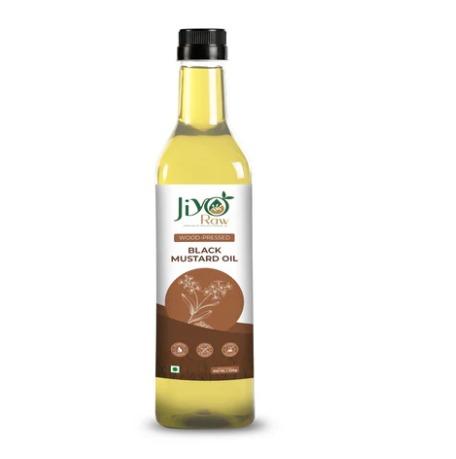
Remember the smell of oil your grandmother used to cook with? That rich, earthy aroma that filled the whole house before the food even hit the pan? If you've been chasing that same taste and health lately, only to find bottle after bottle of "refined" oil that tastes like nothing at all, you're not alone. More and more Indian households are quietly going back to something their grandparents never gave up on in the first place — wooden ghani oil.
The good news? You no longer need to hunt down a village mill to get it. Today, you can buy Wooden Ghani Oil Online and have it delivered straight to your kitchen, pressed the traditional way, without the shortcuts modern refining takes. In this blog, we'll break down what wooden ghani oil actually is, why it matters for your health, and how to choose the right one when you're shopping online.
What Is Wooden Ghani Oil, Really?
"Ghani" simply means a mill, and a wooden ghani is a traditional oil press made of wood, usually operated slowly using bullocks or a low-speed motor. The seeds — be it groundnut, mustard, sesame, or coconut — are crushed gently between wooden beams, without any heat added from outside.
This is very different from the oil sitting on most supermarket shelves. Commercial refining involves high heat, chemical solvents (like hexane), bleaching, and deodorising — all in the name of shelf life and clarity. Somewhere in that process, most of the natural nutrients, flavour, and aroma get stripped away too.
Wooden ghani oil, on the other hand, is cold-pressed at low speed and low temperature. Nothing is added, nothing is chemically extracted. What you get is oil in its most natural form — closer to what our bodies were designed to digest.
Traditional Oil Extraction Method vs Modern Refining
|
Aspect |
Traditional Wooden Ghani |
Modern Refined Oil |
|
Extraction Temperature |
Low (below 40°C) |
High heat used |
|
Chemicals Used |
None |
Solvents like hexane, bleaching agents |
|
Nutrient Retention |
High – natural vitamins & antioxidants intact |
Low – most nutrients lost in processing |
|
Aroma & Taste |
Strong, natural, authentic |
Neutral, often flavourless |
|
Shelf Life |
Shorter, best used fresh |
Longer, due to preservatives |
Note: The trade-off is simple — wooden ghani oil sacrifices a bit of shelf life for far greater nutritional value and taste.
Why Jiyo Raw Oil Benefits Go Beyond the Kitchen
At Jiyo Raw, we didn't just want to sell oil — we wanted to bring back a way of eating that generations before us trusted completely. Our wooden ghani oils are pressed slowly, in small batches, so that nothing is rushed and nothing is compromised.
Here's what that means for you, practically:
-
Better fat quality: Cold-pressing preserves essential fatty acids that high-heat refining destroys.
-
No hidden additives: No anti-foaming agents, no synthetic preservatives, no chemical solvents.
-
Natural antioxidants: Vitamin E and other antioxidants remain intact, supporting heart and skin health.
-
Authentic taste: The oil actually tastes and smells like the seed it came from.
-
Better digestion: Many families report easier digestion compared to refined alternatives.
Key Benefits at a Glance
|
Benefit |
Why It Matters |
|
No Heat Processing |
Preserves natural nutrients that get destroyed at high temperatures |
|
Chemical-Free Extraction |
No solvent residue ends up in your food |
|
Rich in Natural Antioxidants |
Supports overall immunity and cell health |
|
Authentic Flavour |
Enhances the taste of everyday cooking naturally |
|
Small-Batch Freshness |
Oil reaches you closer to its pressing date |
Each of these benefits stems directly from how the oil is pressed — slowly, without heat, and without shortcuts.
How to Buy Wooden Ghani Oil Online – Step by Step
Shopping for oil online can feel a little uncertain when you can't smell or touch the product first. Here's a simple process to make sure you're getting the real thing.
Step-by-Step Buying Process
|
Step |
What to Do |
|
1. Choose Your Oil Type |
Pick based on your cooking needs — groundnut for everyday use, mustard for sharper flavour, sesame for festive cooking |
|
2. Check the Label |
Look for "wooden pressed" or "cold-pressed" clearly mentioned, along with the seed source |
|
3. Verify Packaging Date |
Fresher oil (pressed within the last 2–3 months) retains more nutrients |
|
4. Read Reviews |
Genuine buyer feedback often mentions smell, taste, and texture |
|
5. Place Your Order |
Choose a trusted brand like Jiyo Raw and select your preferred pack size |
|
6. Store Correctly on Arrival |
Keep away from direct sunlight, in a cool, dry place |
Following these six steps helps you avoid diluted or mislabeled products when buying oil online.
Tips and Best Practices for Using Wooden Ghani Oil
-
Start with smaller quantities if you're new to it, so you can get used to the stronger natural flavour.
-
Use it within 3–4 months of opening for the best taste and nutrition.
-
Store in a cool, dark cupboard rather than near the stove or in direct sunlight.
-
Shake gently before use, since natural sediment is normal and a sign of purity, not a flaw.
-
Match the oil to the dish — mustard oil works beautifully in pickles and sautéing, while groundnut oil suits everyday tadka and frying.
Common Mistakes to Avoid When Buying Ghani Oil Online
Do's and Don'ts
|
Do's |
Don'ts |
|
Check for FSSAI certification on the label |
Don't buy oil with no clear extraction method mentioned |
|
Buy from brands who share their sourcing process |
Don't assume "pure" or "natural" on the label always means cold-pressed |
|
Store the oil properly after delivery |
Don't leave the bottle open or near heat sources |
|
Rotate between oil types for balanced nutrition |
Don't rely on a single oil type for all cooking needs |
A little caution while buying goes a long way in making sure you get genuine wooden ghani oil, not a mislabelled substitute.
Frequently Asked Questions
1. What makes wooden ghani oil different from cold-pressed oil sold in regular stores?
While both avoid heat, wooden ghani specifically refers to the traditional wooden mill method, which operates at an even slower speed than most modern cold-press machines, resulting in even less heat generation and better nutrient retention.
2. Is wooden ghani oil more expensive than regular refined oil?
Generally, yes, slightly. This is because the extraction process is slower, yields less oil per batch, and involves more manual effort — but the nutritional value makes up for the cost difference.
3. How long does wooden ghani oil stay fresh after opening?
Typically 3–4 months when stored in a cool, dry place away from sunlight. Since there are no artificial preservatives, it's best to buy quantities you'll use within this window.
4. Can I use wooden ghani oil for deep frying?
Yes, though it's best suited to medium-heat cooking like sautéing and tadka. For deep frying, choose oils with a naturally higher smoke point, like groundnut.
5. Why does the oil sometimes look cloudy or have sediment?
This is completely natural and simply indicates the oil hasn't been artificially filtered or clarified. A gentle shake before use is all that's needed.
6. How do I know if the oil I bought online is genuinely wooden pressed?
Look for transparent labeling on the seed source, extraction method, and pressing date. Trusted brands like Jiyo Raw mention these details clearly, along with batch information.
Final Thoughts
Going back to wooden ghani oil isn't about following a trend — it's about returning to a method that's stood the test of time for good reason. It's slower, yes, but that slowness is exactly what preserves the nutrition, aroma, and taste that modern refining strips away.
If you've been looking to buy wooden ghani oil online without compromising on purity, Jiyo Raw brings that traditional extraction method right to your doorstep — pressed slowly, packed fresh, and free from anything your kitchen doesn't need. Sometimes the healthiest choice really is the oldest one.

 English
 Arabic
 French
 Spanish
 Portuguese
 Deutsch
 Turkish
 Dutch
Dutch
 Italiano
 Russian
 Romaian
 Portuguese (Brazil)
