


What Happens During a Blood Sugar Test? Step-by-Step Guide
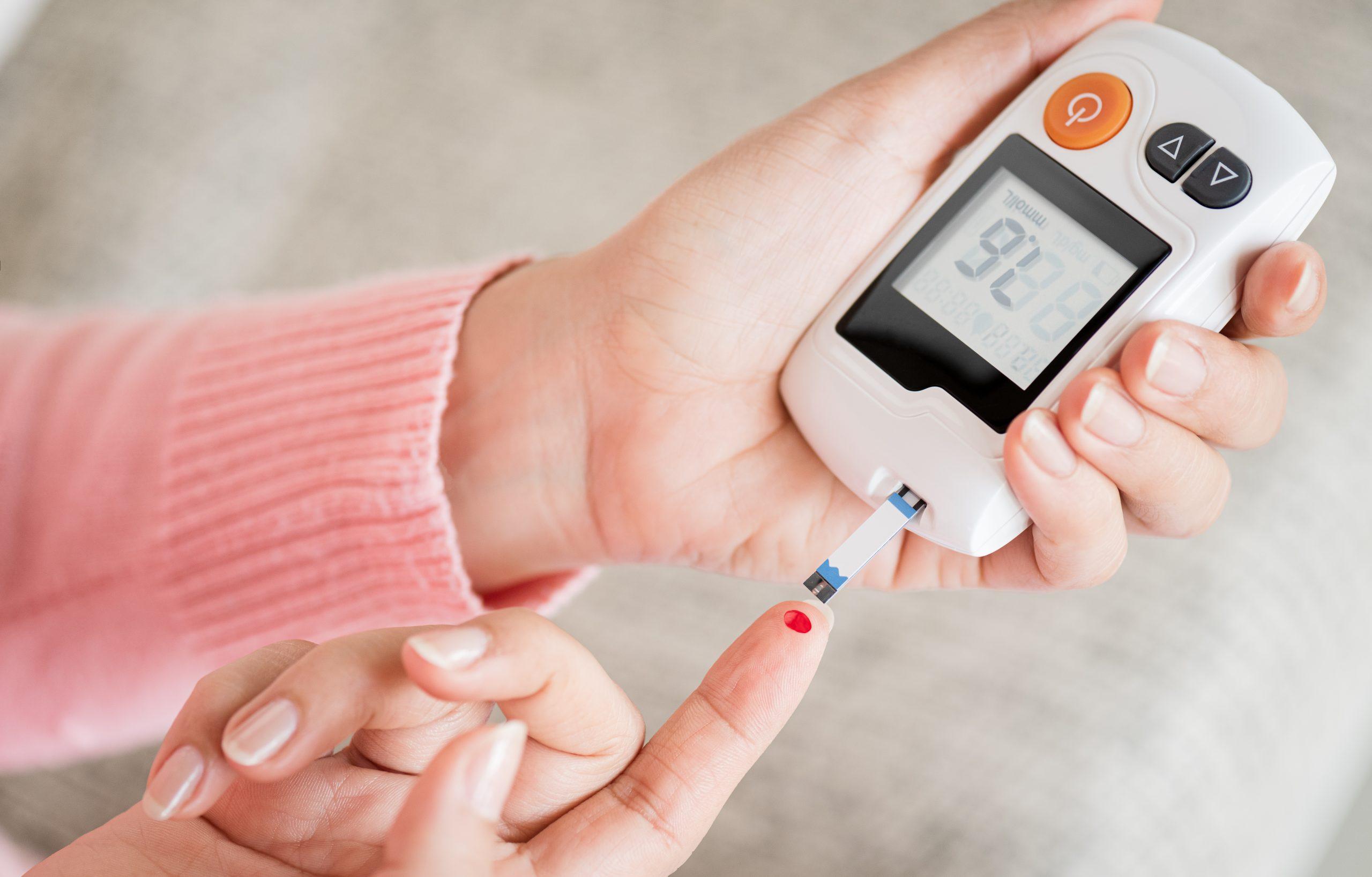
A blood sugar test is one of the most common ways to understand how well the body regulates glucose, its primary source of energy. Whether you are checking your blood glucose as part of a routine health examination, monitoring diabetes, or investigating symptoms such as excessive thirst and frequent urination, this simple test can provide valuable information about your health.
Although the idea of a Blood Sugar Test Dubai may make some people nervous, checking blood sugar is usually quick, straightforward, and involves minimal discomfort. Depending on the type of test, a healthcare professional may collect a small blood sample from your fingertip or draw blood from a vein in your arm.
But what actually happens during a blood sugar test? Do you need to fast beforehand? How long does it take to receive results, and what do the numbers mean?
This step-by-step guide explains the entire process, from preparation to understanding your results, so you know exactly what to expect.
What Is a Blood Sugar Test and Why Is It Important?
A blood sugar test, also known as a blood glucose test, measures the amount of glucose circulating in your bloodstream. Glucose comes primarily from carbohydrates in food and serves as an essential energy source for your muscles, brain, and other organs.
The hormone insulin, produced by the pancreas, helps glucose move from the bloodstream into the body's cells. When insulin production or function is impaired, blood glucose levels can become too high.
A blood glucose test helps healthcare professionals:
-
Screen for prediabetes and type 2 diabetes.
-
Diagnose diabetes when appropriate testing criteria are met.
-
Monitor blood sugar control in people with diabetes.
-
Identify unusually low or high blood glucose levels.
-
Evaluate symptoms associated with abnormal glucose levels.
-
Assess how lifestyle changes or diabetes medications affect glucose control.
Doctors may recommend testing during routine health checkups or when someone has risk factors such as excess body weight, a family history of diabetes, physical inactivity, or a history of gestational diabetes.
What Are the Different Types of Blood Sugar Tests?
Before the procedure begins, your healthcare provider determines which blood glucose test is appropriate for your situation. Each test measures glucose differently or evaluates blood sugar over a different period.
1. Fasting Blood Glucose Test
A fasting blood glucose test measures blood sugar after you have avoided eating and drinking anything except plain water for at least eight hours.
It is commonly used to screen for and diagnose diabetes and prediabetes.
Typical interpretation for nonpregnant adults:
-
Normal: 99 mg/dL or below.
-
Prediabetes: 100–125 mg/dL.
-
Diabetes: 126 mg/dL or above.
A diabetes diagnosis generally requires confirmation with repeat testing unless there are clear symptoms and significantly elevated glucose levels.
2. Random Blood Sugar Test
A random blood glucose test measures blood sugar at any time, regardless of when you last ate.
It is particularly useful when someone experiences symptoms of high blood sugar, including increased thirst, frequent urination, unexplained weight loss, or blurred vision.
A random blood glucose level of 200 mg/dL or higher can indicate diabetes when accompanied by classic symptoms of hyperglycemia.
3. Oral Glucose Tolerance Test
An oral glucose tolerance test (OGTT) evaluates how effectively your body processes glucose.
After an initial blood sample, you drink a measured glucose solution. Additional blood samples are collected at specific intervals, commonly after two hours.
This test is frequently used to diagnose gestational diabetes and can also help identify impaired glucose tolerance.
4. HbA1c Test
The HbA1c test, also called the glycated hemoglobin test, measures the percentage of hemoglobin attached to glucose.
Unlike a standard blood glucose test, it provides an estimate of average blood sugar levels over approximately two to three months.
Common HbA1c ranges are:
-
Normal: Below 5.7%.
-
Prediabetes: 5.7%–6.4%.
-
Diabetes: 6.5% or higher.
An HbA1c test generally does not require fasting.
How to Prepare Before a Blood Sugar Test?
Proper preparation helps ensure accurate and reliable results. However, preparation requirements depend on the type of glucose test you are having.
If your doctor orders a fasting blood sugar test, you will usually need to avoid food and caloric beverages for at least eight hours before the blood sample is collected.
Here are some important preparation tips:
Follow fasting instructions: Drink plain water if fasting is required, but avoid coffee, tea, juice, soft drinks, and other beverages unless your healthcare provider gives different instructions.
Ask about medications: Certain medications can affect blood glucose levels. Never stop taking prescribed medication without medical advice. Ask your healthcare professional whether you should adjust the timing of any medication.
Maintain your usual routine: Avoid unusual changes in your diet or exercise habits before testing unless instructed otherwise.
Inform the laboratory about health conditions: Pregnancy, recent illness, certain blood disorders, and medications may influence test interpretation.
Stay hydrated: Drinking enough water can make blood collection from a vein easier.
If you are undergoing an HbA1c test, fasting is generally unnecessary.
What Happens During a Blood Sugar Test? Step-by-Step
Understanding the actual testing procedure can make the experience much less stressful. Although the process varies depending on the test, most blood glucose tests follow a few simple steps.
Step 1: Registration and Initial Assessment
When you arrive at the laboratory, you may be asked to provide basic information, including your name, age, medical history, and the reason for testing.
The healthcare professional may confirm whether you have followed the required fasting instructions.
They may also ask about medications, previous diabetes diagnoses, and symptoms such as dizziness, excessive thirst, or frequent urination.
This initial assessment helps ensure that the correct test is performed.
Step 2: Choosing the Blood Collection Method
The laboratory professional determines whether a fingertip blood sample or a venous blood sample is required.
For a finger-prick blood glucose test, a small lancet is used to puncture the skin and collect a drop of blood.
For laboratory testing, blood is usually collected from a vein in your arm. A healthcare professional may place a tourniquet around your upper arm to make the veins easier to locate.
Both methods are commonly used, depending on the purpose of testing.
Step 3: Cleaning the Collection Area
Before collecting blood, the healthcare professional cleans the selected area with an appropriate antiseptic solution.
For a finger-prick test, the side of a fingertip is often selected because it generally causes less discomfort than the center.
For a venous blood draw, an area inside the elbow is commonly used.
The skin is allowed to dry before the needle or lancet is used.
Step 4: Collecting the Blood Sample
For a finger-prick test, the healthcare professional uses a sterile, single-use lancet to obtain a small blood drop.
The blood is placed on a glucose test strip inserted into a compatible glucose meter. The device measures the glucose concentration and displays a reading within seconds.
For a laboratory blood glucose test, a sterile needle is inserted into a vein, and blood is collected in a designated tube.
You may experience a brief pinch or mild pressure during collection. The procedure usually takes only a few minutes.
Step 5: Processing and Analyzing the Sample
If you are having a laboratory blood test, the collected sample is labeled and sent for analysis.
Laboratory equipment measures the glucose concentration in the blood and generates a result, usually expressed in milligrams per deciliter (mg/dL) or millimoles per liter (mmol/L).
For a home glucose meter, the result appears directly on the screen.
Laboratory testing is generally preferred when a healthcare professional needs accurate diagnostic measurements.
Step 6: Receiving Your Blood Sugar Results
Once the sample has been analyzed, the results are provided to you or your healthcare provider.
A finger-prick glucose meter gives an almost immediate reading, while laboratory results may take several hours or longer, depending on the facility.
Your doctor interprets the results according to the test type, medical history, symptoms, and relevant diagnostic guidelines.
If your results are outside the expected range, additional testing may be recommended.
What Is a Normal Blood Sugar Level?
Blood glucose levels naturally change throughout the day, particularly before and after meals. Therefore, the meaning of a result depends on when the test was performed and which testing method was used.
For nonpregnant adults, commonly used reference values include:
| Test type | Normal range |
|---|---|
| Fasting blood glucose | 70–99 mg/dL |
| Two-hour oral glucose tolerance test | Below 140 mg/dL |
| HbA1c | Below 5.7% |
These values are general reference ranges, not universal targets for everyone. People already diagnosed with diabetes may have individualized blood glucose goals.
For many nonpregnant adults with diabetes, common treatment targets include 80–130 mg/dL before meals and below 180 mg/dL one to two hours after starting a meal. Individual targets may differ.
Does a Blood Sugar Test Hurt?
Most people experience only minor discomfort during blood glucose testing.
A finger-prick test may cause a brief stinging sensation, while a venous blood draw can produce a small pinch when the needle enters the skin.
Some people develop slight bruising or tenderness around the collection area, but these effects generally disappear without treatment.
If you feel nervous about needles, tell the healthcare professional before the procedure. Sitting comfortably, relaxing your arm, and looking away during collection may help.
How Long Does a Blood Sugar Test Take?
The duration depends on the testing method.
A finger-prick glucose test usually takes less than a minute once the sample is collected.
A standard venous blood draw typically takes around five minutes, although waiting times at the laboratory may be longer.
An HbA1c test involves a similar blood collection process, while an oral glucose tolerance test can take two to three hours because multiple samples are collected over time.
What Happens If Your Blood Sugar Test Results Are Abnormal?
An abnormal blood glucose result does not always mean you have diabetes.
Temporary changes can occur due to illness, stress, medications, recent meals, and other health conditions.
If your fasting blood glucose or HbA1c result is higher than normal, your healthcare provider may recommend repeat testing or another diagnostic test.
Depending on the findings, management may involve:
-
Eating a balanced diet with appropriate carbohydrate portions.
-
Increasing regular physical activity.
-
Maintaining a healthy body weight.
-
Monitoring blood glucose when recommended.
-
Taking prescribed diabetes medication.
-
Attending regular medical follow-up appointments.
Low blood sugar, generally below 70 mg/dL in people with diabetes, also requires attention. Symptoms can include sweating, shakiness, hunger, confusion, and dizziness. Severe hypoglycemia can cause seizures or unconsciousness and requires emergency assistance.
Frequently Asked Questions About Blood Sugar Testing:
Can I Drink Water Before a Fasting Blood Sugar Test?
Yes. Plain water is generally allowed and encouraged during fasting. Avoid beverages containing calories unless your healthcare provider gives different instructions.
Do I Need to Fast Before an HbA1c Test?
No. An HbA1c test measures average blood glucose over the previous two to three months and generally does not require fasting.
How Often Should I Check My Blood Sugar?
Testing frequency depends on your health status, diabetes type, treatment plan, and healthcare provider's recommendations. People without diabetes may only need occasional screening, while some people with diabetes need daily or more frequent monitoring.
Can Stress Affect Blood Sugar Test Results?
Yes. Physical and emotional stress can temporarily increase blood glucose because stress hormones influence how the body regulates glucose.
When Should I See a Doctor About High Blood Sugar?
Consult a healthcare professional if your blood glucose readings are repeatedly elevated or you experience excessive thirst, frequent urination, unexplained weight loss, or blurred vision. Seek urgent medical attention for severe symptoms such as vomiting, difficulty breathing, confusion, or loss of consciousness.
Final Thoughts: A Simple Test That Provides Valuable Health Information
A blood sugar Lab tests is a quick and useful procedure that helps assess how effectively your body manages glucose. From preparing for the appointment and collecting a blood sample to receiving and interpreting the results, the process is generally straightforward and involves minimal discomfort.
Whether you are undergoing a fasting blood glucose test, random glucose test, oral glucose tolerance test, or HbA1c test, understanding the procedure can help you feel more confident and prepared.
Most importantly, regular screening when recommended, accurate interpretation of results, and timely medical guidance can help identify blood sugar problems early and support better long-term health.
If you have concerns about your glucose levels or diabetes risk, speak with a qualified healthcare professional about the most appropriate testing method for your needs.

 English
 Arabic
 French
 Spanish
 Portuguese
 Deutsch
 Turkish
 Dutch
 Italiano
 Russian
 Romaian
 Portuguese (Brazil)
