


What Should Buyers Check Before Choosing Wiper Blades?
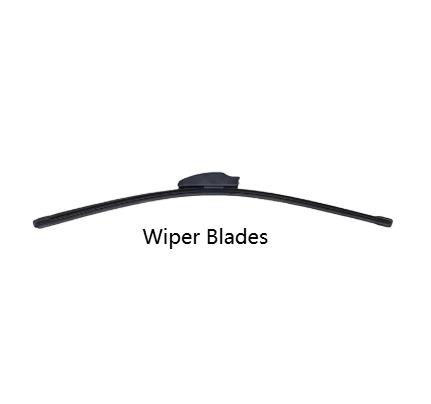
Wiper Blades are an important part of vehicle visibility systems, helping drivers maintain a clear windshield in rain, dust, and changing road conditions. For distributors, wholesalers, and automotive parts importers, choosing suitable products involves more than comparing prices. Buyers should examine vehicle compatibility, material properties, construction details, production consistency, and supplier communication before confirming an order. A structured evaluation process can reduce fitment issues and support smoother inventory management.
Confirm Vehicle Compatibility and Dimensions
Vehicle compatibility should be an early consideration during product selection. Different models may require different lengths, connector structures, and installation configurations. A product that does not match the original mounting position may cause installation difficulties or uneven contact with the glass.
Buyers should prepare a vehicle application list before requesting quotations. Useful information includes vehicle make, model, production year, front or rear position, and required dimensions. When ordering for several markets, it is also helpful to compare local vehicle preferences and common replacement specifications.
Manufacturers should be able to provide clear dimension information and available connection options. Buyers can use these details to organize product codes and reduce confusion when managing multiple references.
Review Materials and Construction
Material selection affects flexibility, contact performance, and service life. Rubber compounds should be evaluated according to their intended operating environment. Temperature changes, sunlight exposure, rain, and airborne particles can all influence material behavior during regular use.
Buyers can ask about the rubber formulation, surface treatment, and available material options. It is also useful to understand how the rubber component is stored and protected before assembly. Proper handling helps maintain material condition during manufacturing and transportation.
The supporting structure deserves attention as well. Frame design, pressure distribution, and connection strength can influence how evenly the product contacts the windshield. A suitable design should match the intended vehicle application rather than rely on appearance alone.
Compare Product Designs and Installation Details
Automotive replacement products are available in several construction styles, including conventional frame, beam, and hybrid designs. Each style has its own structural characteristics and application considerations.
Conventional designs use a supporting metal framework, while beam structures generally use a more integrated profile. Hybrid versions combine structural features from different designs. Buyers should compare these options according to target vehicle coverage, local market demand, and customer purchasing habits.
Installation details also matter. Different connector systems may be required for different vehicle models. Clear adapter information, installation instructions, and product identification can help distributors answer customer questions and reduce returns caused by incorrect selection.
Evaluate Manufacturing and Quality Procedures
Before placing a wholesale order, buyers should ask how products are inspected during production. A clear quality procedure may include incoming material checks, dimension verification, assembly inspection, and finished-product sampling.
It is worth asking whether the manufacturer maintains inspection records and how production batches are identified. These details help buyers trace orders and communicate more effectively if a quality concern occurs.
Sample evaluation is another practical step. Buyers can examine appearance, connection fit, rubber flexibility, and contact consistency before approving a larger quantity. If the order includes several specifications, samples should represent the different product types rather than only one reference.
Check Packaging, Labeling, and Order Flexibility
Packaging affects product protection, storage, and retail presentation. Buyers should review the available packaging formats, carton dimensions, labeling information, and barcode requirements before confirming an order.
For distributors serving different markets, customized labels or multilingual instructions may be useful. Packaging should also provide adequate protection against dust, moisture, and handling damage during transportation.
Order flexibility is another purchasing consideration. Ask about minimum order quantities, production schedules, sample arrangements, and the availability of different specifications. Clear information helps importers estimate purchasing costs and coordinate stock planning.
Assess Communication and Long-Term Supply Planning
A manufacturing partner should provide accurate product information and respond clearly to technical questions. During discussions, buyers can request specification sheets, product photographs, application references, and details about production arrangements.
Communication is particularly important when an order includes multiple vehicle applications or customized packaging. Confirming specifications in writing can reduce misunderstandings between purchasing, production, and logistics teams.
Buyers should also consider whether the supplier can support repeat orders with consistent product identification and documented specifications. This makes it easier to maintain inventory records and plan future purchases.For automotive parts distributors and wholesale buyers, careful evaluation can make sourcing decisions more organized. By reviewing fitment, materials, construction, inspection procedures, and packaging before ordering, businesses can select products that correspond to their market requirements. Buyers looking for automotive replacement components and manufacturing support can review the available product range at mcwiper through https://www.mcwiper.com/product/ and contact the company to discuss specifications, application needs, and order arrangements.

 English
 Arabic
 French
 Portuguese
 Deutsch
 Turkish
 Dutch
 Italiano
 Russian
 Romaian
 Portuguese (Brazil)
 Greek
