


Understanding the Science Behind Hemoglobin Electrophoresis Testing
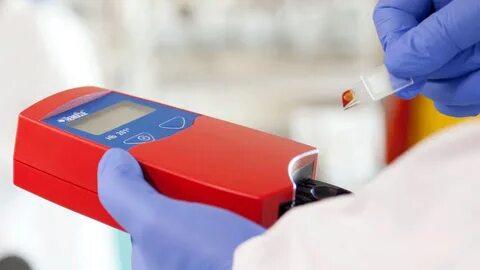
Blood contains essential components that keep the body functioning, and hemoglobin is one of the most important. This specialized protein inside red blood cells carries oxygen from the lungs to tissues throughout the body. Although most people have a typical hemoglobin pattern, inherited genetic changes can affect the structure or production of this protein.
Identifying these differences is important when investigating conditions such as sickle cell disease, thalassemia, and other inherited hemoglobin disorders. One laboratory technique that helps healthcare professionals examine these differences is Hemoglobin Electrophoresis Test in Dubai.
But how does this test actually work? What scientific principles allow laboratory specialists to separate different hemoglobin types? And how can the resulting pattern help identify inherited blood conditions?
Understanding the science behind hemoglobin electrophoresis makes laboratory reports easier to interpret and explains why this test remains an important part of hematology and genetic screening.
The Foundation: What Makes Hemoglobin Different?
Before exploring the testing process, it helps to understand the protein being examined.
Hemoglobin is found inside red blood cells and consists of four protein chains, each associated with an iron-containing heme group. These components allow hemoglobin to bind oxygen in the lungs and release it in tissues that need it.
Different hemoglobin types contain different combinations of globin chains.
The main types include:
-
Hemoglobin A (HbA): The predominant hemoglobin in most healthy adults. It contains two alpha and two beta chains.
-
Hemoglobin A2 (HbA2): A smaller adult hemoglobin fraction containing two alpha and two delta chains.
-
Hemoglobin F (HbF): Fetal hemoglobin, which contains two alpha and two gamma chains and is normally more abundant before birth.
-
Hemoglobin S (HbS): A structural hemoglobin variant associated with sickle cell conditions.
-
Hemoglobin C (HbC): Another inherited hemoglobin variant caused by a change in the beta-globin chain.
These differences are important because changes in the globin chains can influence hemoglobin structure, function, and the way it behaves during laboratory analysis.
The Core Scientific Principle: How Electrophoresis Separates Hemoglobin
Hemoglobin electrophoresis is based on a scientific technique called electrophoresis, which uses an electrical field to separate charged molecules.
Different hemoglobin variants can have different electrical properties because their protein structures are not identical. When an electrical current is applied under controlled laboratory conditions, hemoglobin molecules move through a supporting medium at different rates.
Their movement depends on several factors, including:
-
Electrical charge.
-
Molecular structure.
-
The type and properties of the supporting medium.
-
Buffer composition and pH.
-
The strength of the electrical field.
-
Laboratory temperature and testing conditions.
Because hemoglobin variants may differ in their electrical behavior, the laboratory can separate many of them into distinct positions or bands.
The resulting pattern provides information about which hemoglobin types are present in a blood sample.
However, not every variant separates clearly using one method. Some hemoglobins may migrate in similar positions, meaning additional laboratory techniques may be needed for accurate identification.
Inside the Laboratory: What Happens to a Blood Sample?
The testing process involves several carefully controlled stages. Each step helps ensure that the final hemoglobin pattern is suitable for interpretation.
Step 1: Blood Collection and Sample Preparation
The process begins with collecting a blood sample, usually from a vein in the arm. The sample is placed into an appropriate laboratory collection tube.
Laboratory professionals prepare the sample to obtain hemoglobin from the red blood cells. The goal is to produce material suitable for separating and examining the different hemoglobin fractions.
Proper sample handling is important because contamination, incorrect storage, or other technical problems can affect the reliability of laboratory results.
Step 2: Applying the Sample to the Testing Medium
A prepared hemoglobin sample is placed onto a suitable supporting medium.
Depending on the laboratory technique, this may involve a gel or another separation system. The sample is positioned carefully so that the hemoglobin molecules can move when an electrical field is applied.
Step 3: Applying an Electrical Field
An electrical current is passed through the testing medium under controlled conditions.
Hemoglobin molecules move according to their electrical characteristics. Different variants may travel different distances, producing separate bands or zones.
The exact migration pattern depends on the testing method and laboratory conditions.
Step 4: Detecting and Measuring Hemoglobin Fractions
After separation, the laboratory detects the hemoglobin fractions and evaluates their relative amounts.
The findings may be presented as bands, peaks, or numerical percentages, depending on the method used.
The final report identifies the detected hemoglobin types and helps healthcare professionals recognize patterns associated with normal or abnormal hemoglobin production.
Beyond Traditional Electrophoresis: Modern Hemoglobin Analysis Methods
Although the term hemoglobin electrophoresis is widely used, laboratories may use several analytical techniques to investigate hemoglobin variants.
These methods have different scientific principles and may complement one another.
High-Performance Liquid Chromatography (HPLC)
High-performance liquid chromatography separates hemoglobin fractions based on their interaction with a specialized column and liquid mobile phase.
As the sample passes through the column, different hemoglobin components are separated according to their chemical properties. The instrument detects the fractions and produces a chromatogram containing peaks that can be measured.
HPLC is commonly used to quantify HbA2 and HbF and to investigate hemoglobin variants.
Capillary Electrophoresis
Capillary electrophoresis uses narrow capillary tubes and an electrical field to separate hemoglobin molecules.
The technique evaluates differences in their electrophoretic mobility under controlled conditions. It can provide detailed separation and quantitative information about several hemoglobin fractions.
How Do These Methods Differ?
| Testing method | Main scientific principle | Common application |
|---|---|---|
| Hemoglobin electrophoresis | Separation using electrical mobility | Identifying many hemoglobin variants |
| HPLC | Separation through a liquid chromatography column | Measuring hemoglobin fractions |
| Capillary electrophoresis | Separation through an electrical field in a capillary | Hemoglobin identification and quantification |
The most appropriate method depends on the suspected condition, laboratory equipment, and the need to distinguish potentially overlapping hemoglobin variants.
Reading the Scientific Evidence: What Do Hemoglobin Patterns Reveal?
Once the laboratory completes its analysis, healthcare professionals interpret the hemoglobin fractions.
A typical adult hemoglobin pattern often includes:
-
HbA as the predominant fraction, commonly around 95–98%.
-
HbA2 generally around 2–3.5%.
-
HbF usually below 1–2%.
-
HbS and HbC generally absent.
These are approximate examples, not universal reference intervals. Normal values vary by laboratory method, age, and individual circumstances.
Changes in these fractions may provide clues about inherited conditions.
Increased HbA2: An elevated HbA2 level may support the possibility of beta-thalassemia trait, particularly when combined with compatible red blood cell findings.
Presence of HbS: Detection of hemoglobin S may indicate sickle cell trait or a sickle cell disorder. The relative proportions of HbA, HbS, and other fractions help distinguish possible patterns.
Presence of HbC or HbE: These variants may indicate inherited hemoglobin conditions and can require further testing to determine their clinical significance.
Increased HbF: Higher fetal hemoglobin levels may occur in certain inherited disorders, including some forms of thalassemia, or in other clinical circumstances.
A hemoglobin pattern is an important diagnostic clue, but it should not be treated as a diagnosis without considering the patient's complete medical picture.
The Genetic Connection: Why Small Changes Can Affect Hemoglobin
Hemoglobin production is controlled by genes that provide instructions for making globin chains. Changes in these genes can affect either the structure of hemoglobin or the amount of a particular chain produced.
There are two broad categories of inherited hemoglobin conditions.
Structural hemoglobin variants occur when a genetic change alters the structure of a globin chain. Hemoglobin S and hemoglobin C are examples.
Thalassemia disorders involve reduced or absent production of one or more globin chains. This imbalance can affect red blood cell development and lead to anemia of varying severity.
Hemoglobin electrophoresis can identify many patterns associated with these conditions. However, it does not detect every genetic change. Certain alpha-thalassemia carrier states, for example, may produce normal electrophoresis findings.
Molecular genetic testing may be necessary when a specific inherited change needs to be confirmed.
Why Laboratory Context Matters: Factors That Can Influence Results?
The accuracy of hemoglobin interpretation depends on more than the separation technique itself. Patient history and biological factors can also affect the results.
Recent blood transfusion: Donor red blood cells may change the measured proportions of hemoglobin fractions.
Age: Newborns naturally have higher fetal hemoglobin levels than adults, so age-specific reference ranges are essential.
Iron deficiency: Iron deficiency can complicate the interpretation of HbA2 levels when beta-thalassemia trait is being investigated.
Pregnancy and inherited conditions: Screening may be recommended during pregnancy to identify hemoglobin variants and assess potential reproductive risks.
Overlapping migration patterns: Some variants may appear in similar positions with certain testing methods. Additional analysis may be needed to distinguish them.
These factors explain why laboratory findings should be interpreted by qualified healthcare professionals rather than evaluated using percentages alone.
Connecting Hemoglobin Electrophoresis With Other Blood Tests:
Hemoglobin electrophoresis is often most useful when combined with other laboratory investigations.
A complete blood count (CBC) provides information about hemoglobin concentration, red blood cell number, and red blood cell size. Iron studies help identify iron deficiency, while a peripheral blood smear allows laboratory professionals to examine cell shape and appearance.
A reticulocyte count can provide information about bone marrow activity and red blood cell production.
When the results suggest an inherited condition that cannot be fully characterized through hemoglobin analysis, genetic testing may be recommended.
Combining these findings helps doctors distinguish inherited hemoglobin disorders from other causes of anemia and select appropriate follow-up care.
Frequently Asked Questions About the Science of Hemoglobin Electrophoresis:
Does hemoglobin electrophoresis measure oxygen levels?
No. It identifies and measures different hemoglobin types. Tests such as pulse oximetry and arterial blood gas analysis provide different information about oxygenation.
Is hemoglobin electrophoresis the same as HPLC?
No. Both methods analyze hemoglobin fractions, but they use different separation principles. Electrophoresis uses electrical mobility, while HPLC uses chromatography.
Can hemoglobin electrophoresis detect every hemoglobin disorder?
No. It identifies many common variants and characteristic patterns, but some inherited conditions require additional testing, including molecular genetic analysis.
Is the procedure complicated for patients?
No. The patient usually needs only a routine blood sample. The specialized work takes place in the laboratory.
Conclusion: Turning Molecular Differences Into Useful Medical Information
The science behind hemoglobin electrophoresis Lab tests demonstrates how small differences in protein structure and electrical behavior can provide valuable information about blood health.
By separating and measuring hemoglobin fractions, laboratories can identify patterns associated with sickle cell disease, thalassemia, and other inherited hemoglobin variants. Modern methods such as HPLC and capillary electrophoresis have expanded the options available for accurate hemoglobin analysis.
Although the technique is powerful, its findings must be interpreted alongside a patient's age, medical history, CBC, iron status, and other relevant investigations. When necessary, genetic testing can provide additional confirmation.
Understanding how hemoglobin electrophoresis works helps patients appreciate the value of specialized blood testing and supports more informed conversations with healthcare professionals.

 English
 Arabic
 French
 Spanish
 Portuguese
 Deutsch
 Turkish
 Dutch
 Italiano
 Russian
 Romaian
 Portuguese (Brazil)
