


What Materials Suit Rct CNC Milling Cutter Applications
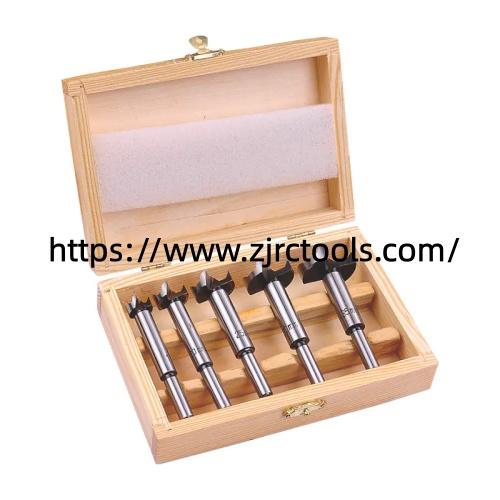
CNC Milling Cutter selection plays an important role in modern manufacturing, where component shape, surface quality, and production consistency all matter. From machinery parts and automotive components to electronic housings and industrial equipment, different products require different machining approaches. Behind every carefully produced component is a combination of machine capability, material characteristics, tooling design, and production planning. Understanding how these elements work together can help manufacturers make more informed purchasing decisions.
One interesting aspect of modern machining is the relationship between material properties and tool construction. Aluminum, stainless steel, carbon steel, copper alloys, and engineering plastics all behave differently during processing. Some materials require attention to heat management, while others place greater demands on edge durability and chip evacuation. This is why material compatibility should be considered before selecting workshop equipment. A product designed for one application may not be suitable for another, even when the two jobs appear similar.
Tool material is another subject that deserves attention. High speed steel and carbide are commonly used in industrial tooling, with each offering different characteristics. High speed steel is associated with toughness and is used in various general machining applications. Carbide materials are valued for their hardness and wear resistance, making them relevant to applications involving demanding workpiece materials. The appropriate selection depends on the machining environment, material requirements, maintenance expectations, and production objectives.
Geometry also influences how a tool interacts with a workpiece. The arrangement of flutes, edge profiles, and overall construction affects chip formation and material removal. Different geometries are developed for operations such as profiling, slotting, surface finishing, and pocket processing. For example, a design intended for creating detailed contours may have different requirements from one used for preparing broad, flat surfaces. Buyers should therefore consider the actual shape and features of the components they intend to manufacture.
Have you ever wondered why two workshops processing similar materials can achieve different surface results? The answer often involves several factors rather than a single piece of equipment. Machine condition, workholding stability, tool installation, machining paths, and operator experience all contribute to the final outcome. Even a carefully selected product needs to work within a suitable production setup. Understanding the complete process helps manufacturers identify potential issues and make more practical adjustments.
Product design is also becoming an important consideration as manufacturers handle increasingly varied component requirements. Some industrial products involve curved surfaces, narrow channels, detailed contours, or complex internal structures. Others require consistent edges and clean transitions between different sections. These design features influence the type of tooling required and the way machining operations are organized. A suitable product should support the intended processing method while remaining compatible with the equipment used in the workshop.
For purchasing teams, comparing products involves more than looking at catalog images. Construction details, material information, edge finishing, assembly quality, and product identification can all help buyers evaluate available options. Clear descriptions are particularly useful when a business needs to purchase different designs for separate production tasks. Buyers can also ask suppliers about application recommendations, available variations, and customization possibilities before confirming an order.
The user experience inside a workshop deserves attention as well. Easy identification, convenient installation, and appropriate maintenance arrangements can make daily equipment management more organized. Operators should inspect products before use, check that installation is correct, and follow the machine manufacturer's operating guidance. Regular inspection can help identify wear, damage, or other conditions that may affect machining results. Suitable protective equipment and proper workshop procedures remain essential throughout production.
Another developing area is the connection between digital manufacturing and traditional machining knowledge. Modern production facilities use computer-controlled equipment to process complex designs and coordinate different manufacturing stages. However, digital instructions alone cannot determine the final result. Tool selection, material behavior, workholding, and process verification still require careful attention. Manufacturers benefit from considering both software planning and physical production conditions when developing their workflows.
When evaluating a supplier, businesses may also consider product availability, communication, customization support, and the ability to explain different application requirements. These factors are relevant to distributors, industrial purchasing departments, and production workshops alike. A clear understanding of the intended use makes it easier to discuss product choices and avoid unnecessary purchasing confusion.
Rct provides industrial tooling options for manufacturers looking at different machining applications and production requirements. By considering material compatibility, product construction, geometry, and workshop conditions, buyers can make decisions that align with their actual manufacturing needs. Whether sourcing accessories for component production or expanding an existing industrial tooling range, businesses can visit the official Rct website at https://www.zjrctools.com/ to review company information and available product solutions.

 English
 French
 Spanish
 Portuguese
 Deutsch
 Turkish
 Dutch
 Italiano
 Russian
 Romaian
 Portuguese (Brazil)
 Greek
