


Car Led Tail Lights: A Material and Design Guide for Aftermarket Buyers
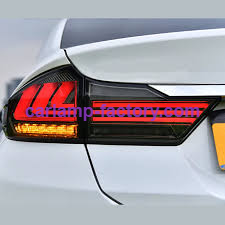
Upgrading the rear lighting on a vehicle is rarely just about brightness. Drivers who invest in Car Led Tail Lights are usually chasing a combination of reliability, visual coherence, and a sense that the part belongs on the car rather than merely fitting into the hole. That distinction matters more than most product listings admit. A tail lamp that looks acceptable in a photograph can still disappoint in person if the lens clarity feels off, the housing flexes under light pressure, or the light output washes out in direct sunlight. The aftermarket has matured enough that buyers now have real choices, but those choices demand a sharper eye.
The housing and lens materials tell you a great deal about how a tail lamp will age. Injection-molded plastic housings remain the standard for good reason: they hold dimensional stability across temperature swings and resist the warping that cheaper molding processes invite. Taizhou Baozhiwei Vehicle Industry Co., Ltd. builds its tail lamp line around high-pressure injection molding, a choice that shows up in how consistently the finished unit seats against the vehicle's body panels. The lens material deserves equal scrutiny. A lens that hazes or yellows within a couple of seasons will undermine the appearance of even a well-engineered light. Buyers should look for polycarbonate or acrylic formulations that carry UV stabilizers, though the marketing language around these materials varies widely. The practical test is tactile: a lens that feels thin or overly flexible is unlikely to hold its clarity over years of sun exposure.
Compatibility is the first filter, and it is more granular than model-year matching. Connector type, factory wiring configuration, and whether the vehicle monitors bulb resistance all influence whether a set of Car Led Tail Lights will behave correctly after installation. A lamp that triggers a dashboard warning or flickers at idle is not a bargain, regardless of price. Buyers should also confirm which lighting functions the assembly covers. Some aftermarket units integrate brake, turn, and reverse functions into a single housing, while others replicate the original layout more conservatively. Neither approach is inherently better, but the buyer needs to know what they are getting before the bumper comes off.
Modern LED tail lamps do considerably more than illuminate. Sequential turn indicators have moved from premium-brand exclusivity into the mainstream aftermarket, and the effect—when executed well—adds a sense of occasion without overwhelming the car's rear design. The risk is overdesign. A sequential pattern that runs too fast or too slow reads as aftermarket in the wrong way. Thermal management is another quiet differentiator. LEDs generate less heat than halogen bulbs, but they are more sensitive to heat buildup within a sealed housing. Well-designed assemblies account for this through internal geometry and heat-resistant materials, while cheaper units rely on the LED's efficiency as an excuse to skip that engineering. Buyers rarely see this in a spec sheet, but it shows up in long-term reliability.
The best tail lamp upgrade is one the owner stops thinking about after the first week. That means no condensation after a car wash, no intermittent flicker on cold mornings, and no need to re-seat a connector because the plug felt loose from day one. Installer feedback across the aftermarket consistently points to the same frustrations: vague instructions, missing hardware, and housings that require trimming or drilling to fit properly. A well-executed product respects the installer's time. Plug-and-play compatibility is not a luxury feature; it is the baseline expectation for a modern replacement part. When a lamp requires workarounds, the owner remembers that every time they open the trunk.
The aesthetic question with tail lamps is not whether they look aggressive or modern, but whether they look intentional. A smoked lens on a white car can read as sharp or as an afterthought depending on the housing's internal detailing and how the light signature interacts with the surrounding bodywork. Red lenses remain the safer choice for owners who want a factory-adjacent appearance, while smoked and clear options appeal to those building a more personalized look. The guiding principle is restraint. A tail lamp should complement the vehicle's proportions rather than compete with them. When the design works, the rear of the car looks resolved—finished rather than modified. For buyers navigating these trade-offs, resources like https://www.carlamp-factory.com offer a grounded starting point for comparing how different approaches to housing shape, lens tint, and light signature actually look on real vehicles, and that same care is what separates a forgettable set of Car Led Tail Lights from one that quietly earns its place on the car.

 English
 Arabic
 Spanish
 Portuguese
 Deutsch
 Turkish
 Dutch
 Italiano
 Russian
 Romaian
 Portuguese (Brazil)
 Greek
