


Is Jaw Surgery Effective for Bite Correction?
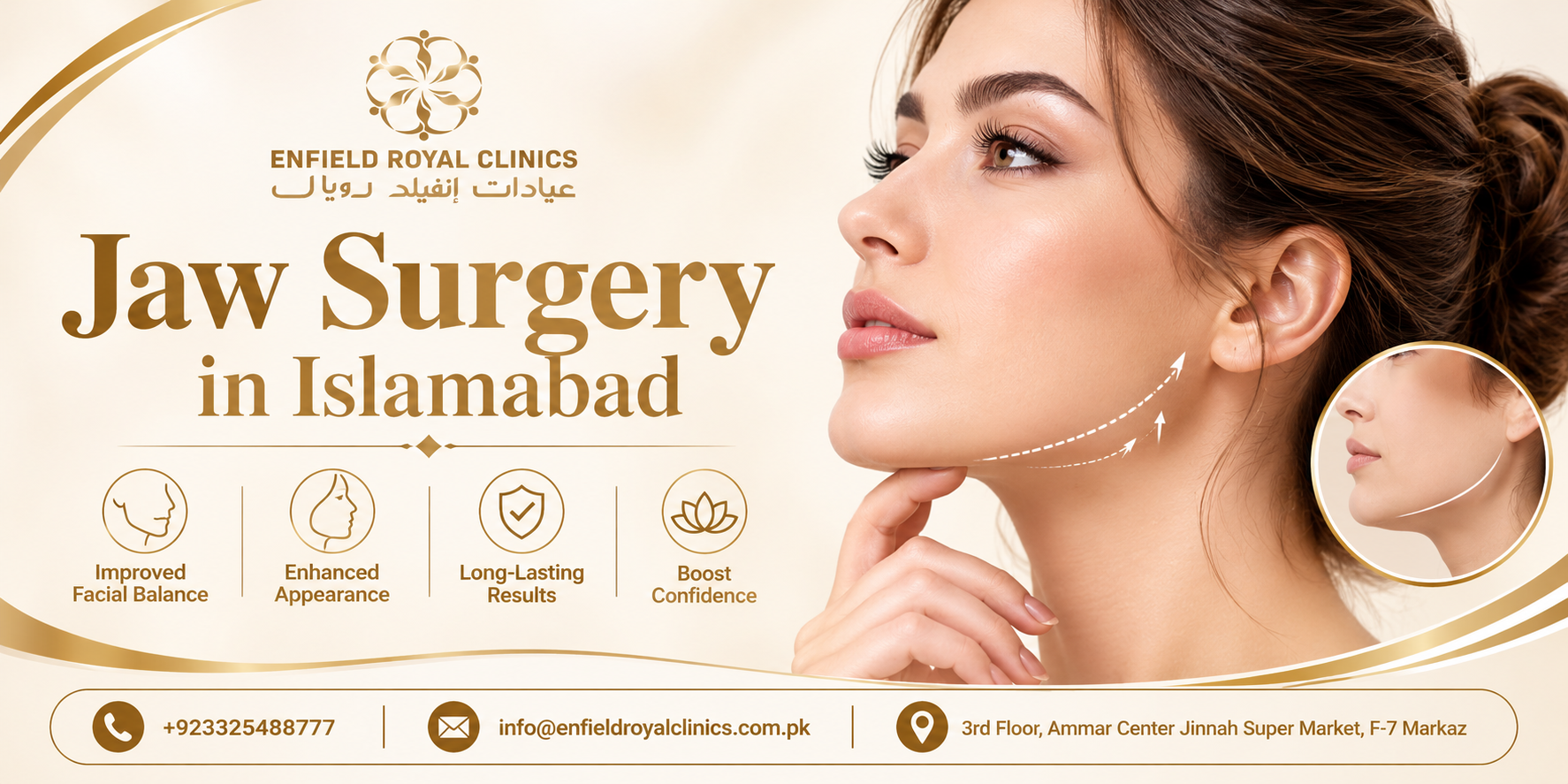
An improper bite can affect much more than the appearance of a smile. When the upper and lower jaws do not align correctly, everyday activities such as chewing, speaking, and closing the mouth comfortably may become difficult. Some people also experience jaw discomfort, uneven tooth wear, or changes in facial balance. While orthodontic treatment can correct many bite problems, more complex cases may require a surgical approach.
Jaw surgery, also known as orthognathic surgery, is a procedure designed to correct the position and relationship of the jaws. It can improve how the teeth fit together while supporting better jaw function and facial balance. For individuals exploring Jaw Surgery in Islamabad, understanding how the procedure works, which bite problems it can address, and what recovery involves can help them make an informed decision.
What Is Jaw Surgery and How Does It Correct a Bite?
Jaw surgery is performed to reposition the upper jaw, lower jaw, or both when their alignment causes functional or structural problems. The procedure focuses on correcting the underlying jaw position rather than simply moving the teeth.
A healthy bite allows the upper and lower teeth to meet comfortably and evenly. When the jaws are positioned incorrectly, the teeth may not fit together as they should. This can make biting and chewing less efficient and may place unnecessary pressure on certain teeth or jaw joints.
During orthognathic surgery, the surgeon makes carefully planned adjustments to the jawbones. Small plates and screws are generally used to hold the bones in their new positions while healing takes place. The treatment plan depends on the patient's jaw structure, dental alignment, facial proportions, and specific functional concerns.
Jaw surgery is often combined with orthodontic treatment. Braces or clear aligners may be needed before or after surgery to ensure that the teeth fit together correctly once the jaws have been repositioned.
Which Bite Problems Can Jaw Surgery Treat?
Not every bite problem requires surgery. However, when the cause is related to significant jaw misalignment, orthodontic treatment alone may not provide the desired correction.
Several conditions may benefit from orthognathic surgery:
-
Overbite: An excessive horizontal or vertical overlap between the upper and lower front teeth may be associated with jaw positioning problems.
-
Underbite: The lower jaw or lower teeth extend in front of the upper teeth, making normal biting difficult.
-
Open bite: The upper and lower teeth do not meet when the mouth closes, leaving a visible gap between certain teeth.
-
Crossbite: Some upper teeth sit inside the lower teeth rather than outside them, potentially affecting chewing and jaw alignment.
-
Facial asymmetry: Unequal jaw development or positioning can create an uneven appearance and affect the bite.
-
Severe jaw discrepancies: Significant differences in the size or position of the upper and lower jaws can interfere with normal dental function.
The appropriate treatment depends on the cause and severity of the problem. A dental and surgical assessment helps determine whether jaw surgery, orthodontics, or a combination of both is suitable.
How Effective Is Jaw Surgery for Improving Bite Alignment?
Jaw surgery can be highly effective for correcting bite problems caused by structural jaw misalignment. By changing the position of the jawbones, it helps establish a more balanced relationship between the upper and lower teeth.
One of its main advantages is that it addresses the skeletal cause of the bite problem. Braces can move teeth within their supporting bone, but they cannot always correct a major difference in jaw position. Surgery can make it possible for the teeth to meet more naturally when the mouth closes.
Improved bite alignment may provide several functional benefits:
-
Better distribution of pressure during chewing.
-
More comfortable contact between the upper and lower teeth.
-
Improved ability to bite and process food.
-
Reduced strain associated with certain jaw alignment problems.
-
Better coordination between the jaws and surrounding facial structures.
The results depend on the patient's original condition, surgical planning, healing process, and follow-up care. Although many patients experience meaningful improvements, surgery does not guarantee that every symptom will disappear. For example, jaw joint pain can have several causes and may continue even after the bite has been corrected.
Jaw Surgery vs. Braces: Which Treatment Is More Suitable?
Braces and jaw surgery serve different purposes, although they are often used together. Understanding the difference helps patients recognise why some bite problems need more than orthodontic treatment.
Braces gradually move teeth into better positions. They are suitable for many dental alignment issues, including mild crowding, spacing, and certain bite irregularities. However, when the upper or lower jaw itself is positioned too far forward, backward, or unevenly, moving the teeth alone may not correct the underlying skeletal problem.
Jaw surgery changes the position of the jawbones. This makes it a more appropriate option for selected patients with significant skeletal discrepancies.
In many cases, treatment involves three stages:
-
Pre-surgical orthodontics: Braces or aligners prepare the teeth for their corrected jaw relationship.
-
Surgical correction: The surgeon repositions the affected jawbone or bones according to the treatment plan.
-
Post-surgical orthodontics: Further adjustments help refine the bite and establish a stable final alignment.
The choice between braces alone and combined treatment should be based on a detailed assessment. A specialist can evaluate whether the problem comes mainly from the teeth, the jawbones, or both.
What Happens During the Jaw Surgery Process?
The treatment process begins with a thorough consultation. The patient's bite, jaw movement, facial structure, and dental health are assessed to understand the nature of the problem.
Diagnostic records may include dental impressions or digital scans, photographs, X-rays, and three-dimensional imaging. These tools help the surgical team examine the relationship between the jaws and plan the required movements.
The procedure is generally performed under general anaesthesia. Depending on the condition, the surgeon may operate on the upper jaw, lower jaw, or both. Incisions are commonly made inside the mouth, which helps avoid visible external scars in many cases.
The jawbones are carefully repositioned and secured using small fixation plates and screws. The exact surgical technique varies according to the patient's anatomy and treatment requirements.
After surgery, the patient is monitored during the initial recovery period. Swelling, bruising, temporary numbness, and difficulty eating are common experiences. A structured recovery plan helps support healing and protects the corrected jaw position.
Recovery and Long-Term Results After Jaw Surgery
Recovery is an important part of achieving successful bite correction. Although the exact timeline varies, patients should expect a gradual healing process rather than an immediate return to normal activities.
Swelling and discomfort are usually more noticeable during the early recovery period. The surgical team may recommend prescribed medication, cold compresses, oral hygiene measures, and regular follow-up appointments.
Diet also requires attention. Patients generally begin with liquids and soft foods before gradually returning to a wider range of foods as healing progresses. Hard, crunchy, or chewy foods may need to be avoided until the surgeon confirms that the jaw has healed sufficiently.
Other important recovery considerations include:
-
Following all medication and oral hygiene instructions.
-
Attending scheduled surgical and orthodontic appointments.
-
Avoiding smoking because it can interfere with healing.
-
Maintaining adequate hydration and nutrition.
-
Avoiding strenuous physical activity until cleared by the treating team.
-
Reporting unusual pain, fever, increasing swelling, or other concerning symptoms.
Bone healing takes time, and the final bite may continue to improve as swelling decreases and orthodontic adjustments are completed. Long-term results are generally supported by proper treatment planning, good oral hygiene, and consistent follow-up care.
Is Jaw Surgery the Right Option for Every Bite Problem?
Jaw surgery is not necessary for every person with an uneven bite. Some patients can achieve excellent results through braces, aligners, or other non-surgical dental treatments. Surgery is usually considered when a significant skeletal discrepancy affects dental function, facial structure, or both.
A suitable candidate generally has a jaw-related problem that cannot be adequately corrected through orthodontics alone. The patient's overall health, dental condition, expectations, and ability to follow post-operative instructions are also important considerations.
For individuals considering Jaw Surgery in Islamabad, a professional consultation is an important first step. A qualified surgical and orthodontic team can explain the available options, potential benefits, limitations, and possible complications. These may include bleeding, infection, nerve-related numbness, changes in sensation, relapse, or the need for additional treatment.
A realistic understanding of the procedure helps patients make decisions based on their functional needs rather than appearance alone. With careful planning and appropriate follow-up, jaw surgery can offer lasting improvements in bite alignment and everyday oral function.
For more information visit Enfield royal clinic in islamabad
Frequently Asked Questions
1. Can jaw surgery permanently correct an improper bite?
Jaw surgery can provide long-term correction when the bite problem is caused by skeletal jaw misalignment. Maintaining the results may also require orthodontic treatment and proper follow-up care.
2. Is jaw surgery better than braces for bite correction?
Neither treatment is universally better. Braces are effective for many dental alignment problems, while surgery may be needed when the jawbones themselves are incorrectly positioned. Some patients benefit from both treatments.
3. How long does recovery from jaw surgery take?
Initial recovery generally takes several weeks, but complete bone healing and final bite adjustments can take several months. The timeline depends on the type of surgery and individual healing progress.
4. Does jaw surgery improve chewing and speaking?
It can improve chewing and may help certain speech difficulties related to jaw structure. However, results vary depending on the underlying problem, and speech therapy may sometimes be recommended.

 English
 Arabic
 French
 Spanish
 Deutsch
 Turkish
 Dutch
 Italiano
 Russian
 Romaian
 Portuguese (Brazil)
 Greek
