


What Should Buyers Check in Custom Electronic Connectors?
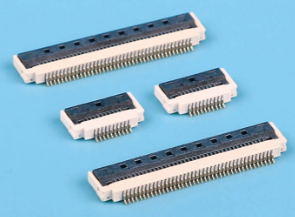
Custom Electronic Connectors are important components in products that require specific electrical connections, mechanical structures, and installation arrangements. For purchasing managers and product developers, selecting a suitable solution involves more than checking a catalogue or comparing quotations. They need to understand how the component will work within the finished assembly, how its design can be developed, and whether the manufacturing process can follow the approved specifications. A structured purchasing approach helps both parties manage technical details and prepare for production.
Define the Purpose of the Project
Before contacting a manufacturer, buyers should identify the intended application and the requirements of the finished product. Different devices have different internal layouts, operating environments, and assembly methods.
A compact consumer device may require a small housing and a particular insertion direction. Industrial control products may involve different contact arrangements and installation conditions. These differences influence the dimensions, materials, and structure selected during development.
Buyers should prepare basic project information, including product drawings, installation measurements, expected functions, and estimated order quantities. If an existing component is being replaced, a physical sample can help explain the required structure.
Make Design Communication More Specific
Unclear descriptions can create misunderstandings during product development. Instead of simply asking for a customized part, buyers should explain the details that define the intended design.
Important information may include:
Overall length, width, and height
Contact quantity and spacing
Mounting direction and installation position
Cable insertion and removal requirements
Housing shape and locking structure
Available space within the finished assembly
When possible, buyers should provide two-dimensional drawings or three-dimensional design files. These documents give the engineering team a clearer reference for reviewing dimensions and identifying possible design conflicts.
It is also useful to separate fixed requirements from adjustable details. This allows the manufacturer to understand which specifications must remain unchanged and where alternative proposals may be considered.
Evaluate the Proposed Structure Before Production
A design that looks suitable on paper still needs to be considered in relation to the actual product. Buyers should review whether the component can be installed without interfering with nearby parts.
For example, limited internal clearance may affect the housing height or cable routing. The position of surrounding circuit boards can also influence the required mounting direction.
Engineering discussions should therefore cover the complete installation environment rather than focusing on one individual part. If the design involves several connected components, their dimensions and relative positions should be reviewed together.
This approach can help identify potential assembly difficulties before tooling or production preparation begins.
Discuss Materials and Manufacturing Requirements
Material selection should reflect the intended function and operating conditions. Conductive metal parts and insulating plastic housings have different requirements, so buyers should evaluate them separately.
For metal terminals, relevant considerations may include conductivity, contact structure, surface treatment, and corrosion exposure. For plastic parts, buyers may need to consider insulation characteristics, dimensional stability, and temperature conditions.
Manufacturing methods also influence the final structure. Precision stamping can be used to form metal parts, while injection molding is commonly involved in producing shaped plastic housings. Automated assembly may be suitable for repeated production operations.
Buyers should ask the manufacturer to explain the processes relevant to their project and provide applicable technical information for internal review.
Arrange Sample Evaluation Before Bulk Orders
Prototype samples allow buyers to examine the proposed design under practical conditions. This stage is useful for checking dimensions, installation accessibility, contact alignment, and assembly compatibility.
The engineering team should test the sample within the intended product structure whenever possible. A component that appears suitable by itself may require adjustment after being installed alongside other parts.
If a revision is needed, feedback should identify the exact problem. Marked drawings, photographs, and measurement records can help the manufacturer understand the requested changes.
Both parties should also confirm the latest approved drawing and sample version. Clear version records reduce the possibility of using outdated specifications during subsequent production.
Review the Factory's Production Arrangements
A supplier assessment should include its manufacturing workflow, production resources, and inspection procedures. Buyers can ask how raw materials are prepared, how individual parts are processed, and how finished products are checked.
wendaelectronics provides products for precision connection applications, new energy products, and wiring harness assemblies. Its manufacturing resources include precision punching machines, injection molding machines, automated assembly lines, and inspection equipment.
When discussing a project with the manufacturer, buyers should ask which resources and processes are relevant to the proposed design. They can also clarify how engineering drawings, approved samples, and production specifications are transferred between departments.
Confirm Quality Records and Delivery Details
Quality requirements should be discussed before an order is placed. Depending on the product structure, inspection may cover dimensional accuracy, appearance, contact positioning, electrical continuity, and assembly conditions.
Buyers should clarify which inspection activities are performed during production and which take place before shipment. They can also ask about inspection records, batch identification, and procedures for handling products that do not meet the agreed specifications.
Commercial arrangements deserve equal attention. Sample schedules, minimum order quantities, production lead times, packaging, and shipping details should be confirmed in advance.For repeat purchases, buyers should also establish how drawing revisions and product specifications will be recorded. This helps purchasing and engineering teams coordinate future orders with fewer misunderstandings. Businesses preparing a new product or updating an existing design can review the available product range and discuss their requirements with wendaelectronics at https://www.wendaelectronics.com/

 English
 Arabic
 French
 Spanish
 Portuguese
 Deutsch
 Dutch
 Italiano
 Russian
 Romaian
 Portuguese (Brazil)
 Greek
