


Protect Your Home From Storm Damage With Wind Mitigation Inspections
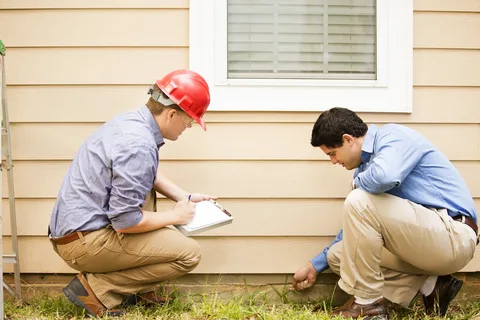
Florida homeowners understand the importance of preparing their properties for strong winds, heavy rainfall, and seasonal storms. A home's roof design, structural connections, windows, doors, and other protective features can influence how well the building withstands wind-related conditions. Understanding these features can help homeowners make informed decisions about property maintenance and potential improvements.
Arranging Wind Mitigation Inspections Punta Gorda FL can help homeowners document construction features designed to reduce wind damage. The assessment examines specific characteristics of a property and records information that may be used by insurance companies when evaluating wind-resistance features and determining potential insurance discounts.
Understand the Purpose of Wind Mitigation Inspections
A wind mitigation inspection is a focused evaluation of construction features that may help a home withstand strong winds. In Florida, insurance companies may use the findings to determine whether a property qualifies for applicable wind mitigation credits or premium reductions.
The inspection generally follows an approved reporting format and documents features such as roof coverings, roof-to-wall connections, roof geometry, secondary water resistance, and opening protection.
Not every home has the same protective features, and eligibility for insurance credits depends on the insurer's requirements and applicable guidelines. An inspection documents the observed characteristics rather than guaranteeing a particular insurance outcome.
Examine Roof Covering Materials
Roof coverings are exposed to sunlight, rain, and wind throughout the year. Their condition and installation characteristics can influence how well they perform during severe weather.
During an assessment, the inspector may document the roof covering type, relevant installation information, and available evidence of compliance with applicable building requirements.
Homeowners should keep records of roof replacements, permits, product approvals, and previous repairs. These documents may help verify construction details that are not readily visible during a visual evaluation.
If the roof shows signs of deterioration, damaged materials, or loose components, an appropriate roofing assessment may be necessary.
Understand Roof-to-Wall Connections
The connection between a roof and the walls beneath it is an important part of a building's structural design. Different homes may use different connection methods, depending on construction practices and the property's age.
A wind mitigation assessment may document whether the roof structure uses qualifying clips, straps, or other recognized connection types. These features help describe how the roof is attached to the building's supporting structure.
Homeowners should understand that the inspection documents the features present and accessible at the time of the evaluation. Structural modifications should only be considered after consultation with appropriately qualified professionals.
Evaluate Roof Geometry and Secondary Water Resistance
Roof geometry refers to the overall shape and configuration of a roof. Certain roof designs may perform differently under wind pressure, making this feature relevant to a wind mitigation assessment.
The inspector may document whether the roof has a hip, gable, or another configuration, depending on the applicable inspection form.
Secondary water resistance is another feature that may be evaluated. This refers to protective materials or construction methods designed to help limit water intrusion if the primary roof covering becomes damaged.
Available construction records and installation documentation can be useful when verifying these features.
Review Windows, Doors, and Opening Protection
Windows, exterior doors, garage doors, and other openings can be vulnerable during severe wind events. Appropriate protective features may help reduce the risk of windborne debris entering the home.
During an inspection, the evaluator may document whether windows and doors have qualifying impact-resistant features or approved protective coverings. This can include reviewing product labels, permanent markings, and available documentation.
Homeowners should gather records for replacement windows, garage doors, shutters, and other protective installations. Not every product automatically qualifies for insurance credit, so the insurer's requirements should be confirmed.
Consider Punta Gorda's Weather Conditions
Homes in Punta Gorda, Florida, experience seasonal storms, heavy rainfall, high humidity, and periods of strong winds. These conditions make roof maintenance, exterior protection, and drainage important parts of responsible property ownership.
Homeowners should keep gutters clear, maintain exterior seals, and address visible roof damage promptly. After severe weather, inspect the property from a safe location and arrange a professional evaluation if damage is suspected.
Regular maintenance cannot eliminate storm damage risks, but it can help homeowners identify developing concerns and maintain important protective features.
Prepare for a Wind Mitigation Inspection
Before the appointment, gather available records of roof replacements, window upgrades, garage door installations, permits, and other improvements related to wind protection.
Make accessible areas reasonably clear so the inspector can review relevant features safely. If construction details are concealed, documentation may help establish the materials or installation methods used.
Ask which inspection form will be completed, whether photographs are included, and what documents may be needed for submission to your insurance company.
Review the Report and Explore Potential Benefits
After the inspection, review the findings and confirm that the documented features are accurately described. If any information is unclear, ask the inspector for an explanation before submitting the report.
Provide the completed documentation to your insurance company and ask whether the identified features qualify for applicable credits. Keep copies of the report, supporting records, and any correspondence for future reference.
Make Your Home Better Prepared for the Future
Understanding a home's wind-resistant features can help homeowners organize maintenance, document protective improvements, and make informed insurance-related decisions. A proper assessment provides useful information about the construction characteristics recorded during the inspection.
If you own a property in Punta Gorda, FL, contact a qualified inspection provider to discuss your home's construction, available documentation, and wind mitigation inspection requirements.

 English
 Arabic
 French
 Spanish
 Portuguese
 Deutsch
 Turkish
 Dutch
 Russian
 Romaian
 Portuguese (Brazil)
 Greek
