


How Accurate Is a Pregnancy Blood Test in Early Pregnancy?
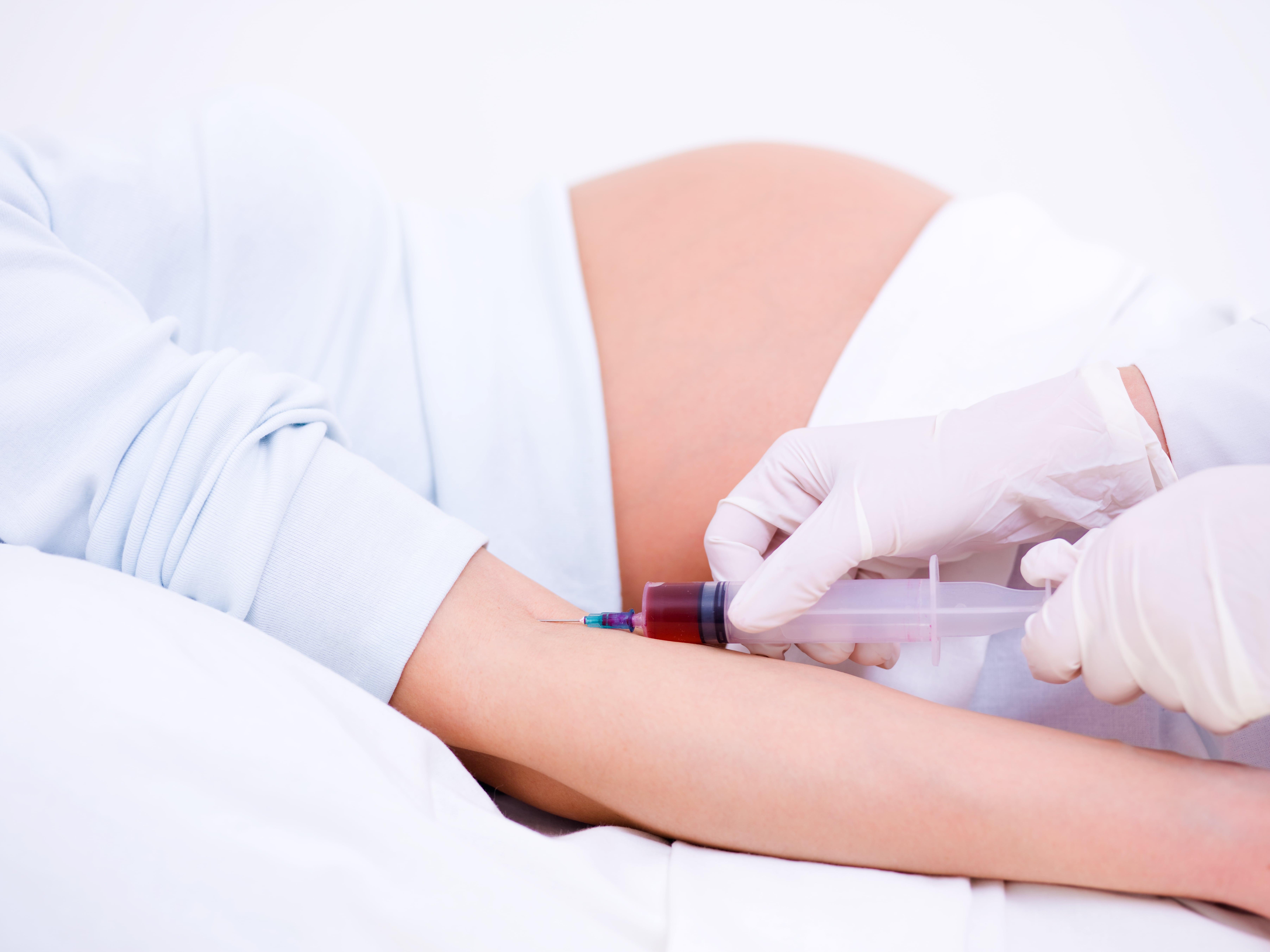
Finding out whether you are pregnant can be an emotional experience, especially when you are testing before or shortly after your missed period. You may want an answer as soon as possible, but you also want to know whether the result is dependable.
A Pregnancy Blood Test Dubai is one of the most sensitive methods for detecting early pregnancy. It measures human chorionic gonadotropin (hCG), a hormone produced after a fertilized egg implants in the uterus. Because blood tests can detect relatively small amounts of hCG, they may identify pregnancy earlier than many home urine pregnancy tests.
But how accurate is a pregnancy blood test in early pregnancy? Can you trust a negative result before your period is due? Does a positive result mean the pregnancy is developing normally?
This guide explains the accuracy of early pregnancy blood testing, the factors that affect results, and what to do if your report is unclear.
The Accuracy Question: Can You Trust an Early Pregnancy Blood Test?
Pregnancy blood tests are highly reliable when performed at an appropriate time and interpreted correctly. They can detect low concentrations of hCG, sometimes before a missed period.
However, no pregnancy test is guaranteed to detect every pregnancy immediately after conception.
The reason is biological: hCG production begins after implantation, not immediately after fertilization. If implantation has not occurred, there is no pregnancy-related hCG for the test to measure.
A blood test may detect hCG around 8–10 days after ovulation in some pregnancies, although this timing varies. Testing around or after the expected menstrual period generally provides a more dependable result.
The important distinction: A pregnancy blood test can be highly accurate at detecting hCG, but testing too early can still lead to a negative result even when pregnancy has occurred.
Why Blood Testing Can Identify Pregnancy Earlier Than Home Tests?
Both blood and urine pregnancy tests look for hCG, but they differ in how they detect the hormone.
A home pregnancy test measures hCG in urine. Its sensitivity depends on the test brand, hormone concentration, and how the test is used.
A laboratory pregnancy blood test measures hCG directly in a blood sample. Some blood tests can detect lower concentrations than standard home pregnancy tests.
This makes blood testing useful when early pregnancy confirmation is important or when a healthcare professional needs more detailed information.
Two Types of Pregnancy Blood Tests
1. Qualitative hCG blood test
A qualitative pregnancy blood test checks whether hCG is present above a particular laboratory threshold. The result is generally reported as positive, negative, or occasionally indeterminate.
It is useful when the main question is whether pregnancy hormone is detectable.
2. Quantitative beta hCG blood test
A quantitative beta hCG test measures the exact concentration of hCG in the bloodstream. Results are usually reported in milli-international units per milliliter (mIU/mL).
This test provides more detail and can be repeated to monitor how hCG levels change over time.
The Biology Behind Early Detection: When Does hCG Become Measurable?
Understanding the early stages of pregnancy explains why test timing matters so much.
| Stage | What Happens |
|---|---|
| Ovulation | An ovary releases an egg. |
| Fertilization | Sperm may fertilize the egg. |
| Early development | The fertilized egg travels toward the uterus. |
| Implantation | The developing embryo attaches to the uterine lining. |
| hCG production | Cells that develop into the placenta begin producing hCG. |
| Detectable pregnancy | Blood hCG may reach the laboratory's detection threshold. |
Implantation commonly occurs several days after ovulation, but the exact timing varies. Once implantation begins, hCG enters the bloodstream and gradually increases.
This means a test taken seven days after ovulation may be negative simply because implantation has not happened or hormone levels are still too low.
How Accurate Is a Pregnancy Blood Test at Different Times?
The reliability of an early pregnancy blood test depends largely on when it is performed.
Around 7 Days After Ovulation
This is generally very early for pregnancy testing. Implantation may not have occurred, so hCG may not yet be detectable.
A negative result at this stage cannot reliably exclude pregnancy.
Around 8–10 Days After Ovulation
Some pregnancies may produce detectable hCG during this period. A sensitive quantitative blood test may identify pregnancy before a home test becomes positive.
However, a negative result remains possible because implantation and hormone production vary.
Around 11–14 Days After Ovulation
As hCG increases in many pregnancies, blood testing becomes more likely to detect it.
This period often approaches the expected menstrual date, depending on the length of the menstrual cycle.
On or After a Missed Period
Testing around or after the expected period generally provides a more dependable result.
If your menstrual cycle is irregular or ovulation occurred later than expected, you may still need repeat testing.
Understanding Your hCG Result: What Do the Numbers Mean?
Quantitative pregnancy blood tests provide a numerical hCG result. Many laboratories use the following general interpretation:
| hCG Level | Common Interpretation |
|---|---|
| Below 5 mIU/mL | Usually negative |
| 5–25 mIU/mL | Often borderline or indeterminate |
| Above 25 mIU/mL | Generally consistent with pregnancy |
These are common reference points, not universal rules. Laboratories may use different thresholds, so check the reference range on your report.
A borderline result may indicate very early pregnancy, but it does not confirm pregnancy on its own. Your healthcare professional may recommend repeating the quantitative test after approximately 48 hours or according to your clinical situation.
Why a Single hCG Number Is Not Enough
An individual hCG measurement cannot reliably establish:
-
The exact age of a pregnancy.
-
Whether the pregnancy is developing normally.
-
Whether the pregnancy is inside the uterus.
-
Whether an embryo has a heartbeat.
-
Whether you are carrying one baby or multiples.
The pattern of hCG changes, symptoms, and ultrasound findings provide additional information.
What Can Make an Early Pregnancy Blood Test Less Reliable?
Even a sensitive laboratory test can produce a result that needs further evaluation. Several factors influence how accurately the result reflects pregnancy status.
Testing before implantation: If implantation has not occurred, pregnancy-related hCG is not yet being produced.
Late ovulation: Your actual pregnancy stage may be earlier than expected if ovulation occurred later in your cycle.
Late implantation: Differences in implantation timing can delay the appearance of detectable hCG.
Laboratory detection limits: Each test has a specific sensitivity threshold. Very low hCG concentrations may not be detected by every method.
Recent pregnancy: hCG can remain in the bloodstream for some time after childbirth, miscarriage, or pregnancy termination.
Fertility medications: Certain fertility treatments contain hCG and may affect pregnancy test results.
These factors are important when a test result does not match your menstrual dates, symptoms, or previous pregnancy testing.
False-Positive and False-Negative Results: What Should You Know?
A false-negative result occurs when a test is negative even though pregnancy has occurred. This is more likely when testing very early, before hCG has reached the detection threshold.
A false-positive result occurs when a test indicates pregnancy even though there is no ongoing pregnancy. Possible explanations include:
-
Recent pregnancy or pregnancy loss, when hCG remains detectable.
-
Fertility medication containing hCG.
-
Certain uncommon medical conditions that produce hCG.
-
Laboratory or testing-related issues.
A positive result may also represent a very early pregnancy that stops developing, sometimes called a biochemical pregnancy. In this situation, hCG may be detected before an ultrasound can identify a pregnancy.
If your results are unexpected, your healthcare professional can determine whether repeat testing or further investigation is appropriate.
How to Improve the Reliability of Your Pregnancy Blood Test?
You cannot control the exact timing of implantation, but you can take practical steps to make testing more useful.
-
Choose an appropriate testing date: If possible, test on or after your expected period for a more dependable result.
-
Know your cycle dates: Record your last menstrual period and estimated ovulation date.
-
Understand the test type: Ask whether you are receiving a qualitative or quantitative hCG test.
-
Review the laboratory reference range: Do not interpret numerical results without considering the laboratory's thresholds.
-
Repeat testing when advised: A second quantitative hCG measurement may help clarify an early or borderline result.
-
Share relevant medical information: Tell your healthcare professional about fertility medication, recent pregnancy, or previous pregnancy loss.
Fasting is generally not required for an isolated hCG blood test, although you should follow any instructions if other tests are being performed at the same time.
When Should You Contact a Healthcare Professional?
A positive pregnancy blood test is an important finding, but it does not confirm where the pregnancy is located or whether it is developing normally.
Your healthcare professional may recommend serial beta hCG testing or an ultrasound based on your results, pregnancy stage, and symptoms.
Seek urgent medical attention if you experience severe or worsening abdominal or pelvic pain, shoulder-tip pain, heavy vaginal bleeding, dizziness, or fainting. These symptoms can occur with an ectopic pregnancy or another serious complication and require prompt assessment.
Do not wait for a repeat pregnancy test if you have these warning signs.
Frequently Asked Questions About Pregnancy Blood Test Accuracy:
1. Is a Pregnancy Blood Test 100% Accurate?
No test is 100% accurate in every situation. Blood tests are highly sensitive, but testing before implantation or too early afterward can produce a negative result.
2. Can a Blood Test Detect Pregnancy Before a Missed Period?
Yes. A quantitative hCG blood test may detect pregnancy around 8–10 days after ovulation in some cases. However, early detection is not guaranteed.
3. Can I Have a Negative Blood Test and Still Be Pregnant?
Yes. If you test too early, hCG may be below the laboratory's detection threshold. Repeat testing may be appropriate if your period does not arrive.
4. Is Quantitative Beta hCG More Useful Than Qualitative Testing?
Quantitative testing provides an exact hCG concentration and allows changes to be monitored over time. Qualitative testing only indicates whether hCG is detected above a threshold. The appropriate choice depends on the clinical question.
5. Does a High hCG Level Mean the Pregnancy Is Healthy?
Not necessarily. A high result alone cannot confirm pregnancy viability, location, or normal development. Clinical assessment and ultrasound may be needed.
Final Verdict: Early Pregnancy Blood Tests Are Reliable, but Timing Is Essential
A pregnancy blood Lab tests is a sensitive and dependable way to detect hCG, often identifying pregnancy earlier than a home urine test. However, its accuracy depends on the timing of implantation, the amount of hormone present, and the laboratory method used.
A negative result before your missed period does not always rule out pregnancy. If testing was performed early, repeat testing may provide a clearer answer.
For the most meaningful interpretation, consider your hCG result alongside your menstrual dates, symptoms, and healthcare professional's advice. Early testing can provide useful information, but understanding its limitations is just as important as knowing the result.

 English
 Arabic
 French
 Spanish
 Portuguese
 Deutsch
 Turkish
 Dutch
 Italiano
 Russian
 Portuguese (Brazil)
 Greek
