


Exploring Surface Technology in Modern Toy Film
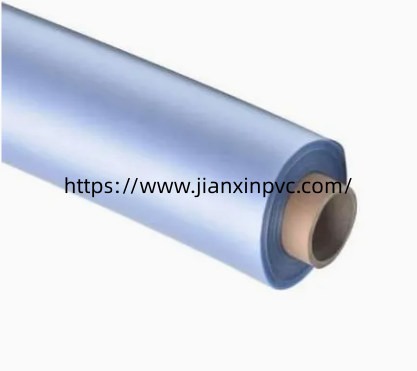
Toy products often combine visual storytelling with practical construction. A colorful play accessory, a soft decorative component, or a themed surface can help establish a toy’s character before a child begins interacting with it. During product development, PVC Toy Film may be considered when manufacturers need a flexible film that contributes to a particular appearance or supports a selected production method. Its suitability depends on how the material will be used, what it will contact, and how it fits into the finished product rather than on its appearance alone.
Material formulation plays a central role in the film’s behavior. PVC can be adapted through formulation to create different levels of flexibility and surface feel. Components used in the formulation may influence how the film bends, accepts color, or responds during processing. Pigments can establish a consistent visual palette, while surface treatments may support printing or create a distinctive finish. The material should be assessed as a complete formulation, including any additives and finishing layers. For products intended for children, manufacturers also need to consider relevant chemical restrictions, material documentation, and applicable toy safety requirements. Suitability for a particular toy should be confirmed rather than assumed from the general material category.
Choosing a film begins with identifying its role in the product. It might serve as a decorative covering, a flexible section, or a material that will be shaped and joined during assembly. The intended production method affects what the film needs to do. A design that requires printing may call for a surface compatible with the chosen ink, while a product involving forming or joining requires attention to how the film responds to those operations. Buyers should also consider the toy’s intended age group, expected handling, surrounding materials, and the conditions in which it will be sold. Reviewing samples with the actual product concept can reveal whether the film’s appearance and handling characteristics align with the design.
Film processing technology connects material selection with the finished form. Depending on the product, manufacturers may use cutting, printing, forming, bonding, or heat-based joining methods. Each process can affect the film’s surface and edges, so the selected material should be evaluated under representative production conditions. A printed design, for example, needs to remain visually clear after the film is handled or shaped. When film is combined with another material, the interface between the two becomes important. Incompatible surfaces or unsuitable processing conditions can lead to uneven appearance or weak joining. Evaluating the complete assembly helps identify issues that a flat film sample may not reveal.
The user experience begins with the toy’s tactile and visual qualities. Children may notice a surface’s softness, texture, color, or flexibility as they explore a product. Caregivers and retailers may pay attention to the finish, visible construction, and ease of keeping the toy clean. Film used on a toy should fit the product’s intended handling and should not create avoidable problems at seams, folds, or edges. These details deserve attention during product review, especially where a film is incorporated into a component that will be repeatedly touched or manipulated. Safety assessment should address the complete toy and its foreseeable use, not only the film in isolation.
Design and appearance provide opportunities to build a recognizable toy identity. Bright colors can support playful themes, while translucent effects may create a different visual impression. Printed illustrations, patterns, and coordinated color schemes can help connect separate components within a collection. Texture can also add visual depth or distinguish one area from another. However, a design needs to remain practical when translated from artwork into a manufactured surface. Curves, folds, seams, and cut edges can change how a pattern appears, so designers should review the film on the intended shape. Consistency between components can be especially important when a product range includes related characters or coordinated play accessories.
Quality planning helps connect design decisions with production requirements. Buyers can discuss material documentation, sample approval, surface consistency, processing compatibility, and inspection procedures with potential suppliers. Clear expectations about color, texture, and the intended application can make sample reviews more useful. Manufacturers should also establish how approved samples will be compared with later production, since noticeable differences in appearance may affect a coordinated product line. When a toy is intended for a regulated market, relevant testing and compliance documentation should be considered as part of the sourcing process.
Zhejiang Jianxin Plastic Co., Ltd. manufactures PVC film products for a range of applications. Businesses exploring film for toy-related projects can discuss the intended product, desired surface appearance, processing method, and applicable safety or compliance requirements with the company. Reviewing samples and relevant documentation can help clarify whether a film is suitable for a particular design and production workflow. Further information about the company and its PVC film offerings is available at https://www.jianxinpvc.com/.

 English
 Arabic
 French
 Spanish
 Portuguese
 Deutsch
 Turkish
 Dutch
 Italiano
 Romaian
 Portuguese (Brazil)
 Greek
