


Botox Injections in London: How Is the Right Dosage Determined for Each Patient?
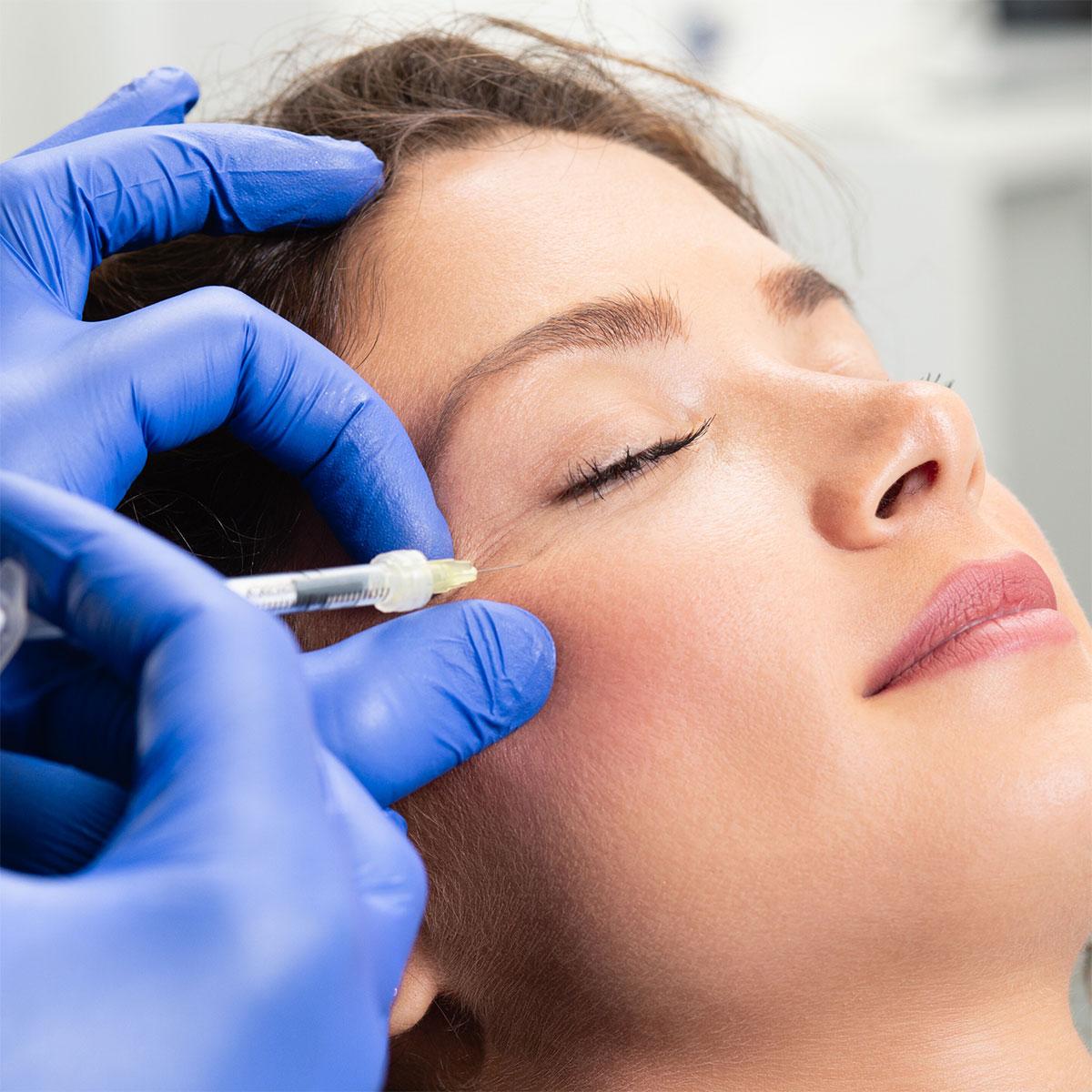
Botox treatments have become a popular option for people who want to soften expression lines and achieve a refreshed, natural-looking appearance without undergoing surgery. However, successful treatment involves much more than simply choosing an injection site. One of the most important aspects of planning treatment is determining the appropriate dosage for each individual. Every face has different muscle structures, movement patterns, skin characteristics and aesthetic requirements, which means that a standard dosage is not suitable for everyone.
When considering Botox in London, patients often want to understand how practitioners decide how much product is needed to achieve their desired results. The answer depends on several clinical and aesthetic factors, including the strength of facial muscles, the location of wrinkles, previous treatment history and the patient's expectations.
At Bodyvie Clinic, an individualised approach to aesthetic treatment helps ensure that dosage decisions are based on a patient's facial anatomy and treatment goals. Understanding how these decisions are made can help patients feel more informed and confident when attending a consultation.
Why Is Botox Dosage Different for Every Patient?
Botox works by temporarily reducing the activity of specific muscles responsible for creating dynamic wrinkles. These lines commonly appear when people raise their eyebrows, frown, squint or make other facial expressions.
Because facial muscles differ in size, strength and activity, the amount of product required can vary considerably between individuals. Someone with strong forehead muscles may require a different treatment plan from someone whose facial muscles are naturally less active.
Several factors contribute to dosage decisions:
- Muscle strength: Stronger muscles may require more units to achieve the intended level of relaxation.
- Treatment area: Different facial regions have different muscle structures and movement patterns.
- Wrinkle severity: Deeper expression lines may require a carefully adjusted treatment approach.
- Individual anatomy: Facial proportions, muscle positioning and natural asymmetry influence injection planning.
- Desired appearance: Some patients prefer subtle softening, while others may want a more noticeable reduction in muscle movement.
The practitioner considers these factors together rather than relying on a fixed dosage for every patient.
How Does Facial Muscle Strength Influence Botox Dosage?
Muscle strength is one of the most important considerations when planning anti-wrinkle injections. Botox works by temporarily interrupting the signals that cause targeted muscles to contract. The strength and activity of those muscles influence how much product may be required.
For example, the frontalis muscle, which helps raise the eyebrows, varies in strength from person to person. A patient with particularly active forehead muscles may need a different dosage from someone with relatively mild muscle movement.
Similarly, the muscles responsible for frowning between the eyebrows can vary significantly in thickness and strength.
During a consultation, the practitioner may ask the patient to perform different facial expressions. These movements help identify which muscles are most active and where treatment may be beneficial.
This assessment allows the practitioner to develop a dosage plan that aims to soften unwanted lines while preserving appropriate facial movement.
Does the Treatment Area Affect the Amount of Botox Required?
Yes. Different facial areas generally require different treatment approaches because the muscles responsible for expression vary in size, strength and function.
Forehead Lines
Forehead lines develop through repeated contraction of the frontalis muscle. The appropriate dosage depends on muscle activity, forehead proportions and eyebrow position.
Treatment planning must consider how much muscle relaxation is appropriate to maintain a balanced appearance. Excessive relaxation may affect natural eyebrow movement, so careful assessment is important.
Frown Lines
Frown lines, sometimes called glabellar lines, appear between the eyebrows when a person concentrates or frowns. Several muscles contribute to this movement, including the corrugator and procerus muscles.
The practitioner evaluates their activity and positioning before deciding on the appropriate dosage and injection points.
Crow's Feet
Crow's feet are the fine lines that develop around the outer corners of the eyes when smiling or squinting. These lines are associated with the activity of the orbicularis oculi muscles.
The dosage is determined by examining the strength of muscle movement and the extent of the treatment area. The aim is to soften expression lines while maintaining a natural-looking smile.
Other Facial Areas
Some patients may also discuss other areas where muscle activity contributes to visible lines. Each area requires a separate assessment because the muscles involved have different functions and anatomical characteristics.
A practitioner should never assume that the dosage used for one facial area can automatically be applied to another.
How Does Age Influence the Recommended Botox Dosage?
Age can influence treatment planning, but it does not determine dosage on its own. Two people of the same age may have very different facial muscle activity, skin elasticity and wrinkle patterns.
Younger patients may seek treatment to address prominent expression lines before they become more established. Their treatment plans may focus on carefully selected muscles and maintaining natural facial movement.
Older patients may have more visible lines, including wrinkles that remain noticeable when the face is at rest. However, the amount of Botox required still depends primarily on muscle activity rather than age alone.
Skin quality, facial structure and previous aesthetic treatments are also considered during the consultation.
A personalised approach helps ensure that the treatment plan reflects the patient's current facial characteristics rather than following assumptions based on age.
Does Previous Botox Treatment Affect Dosage Decisions?
A patient's previous experience with Botox can provide useful information when planning future treatments.
During the consultation, the practitioner may ask questions about previous injections, including:
- When the last treatment was performed.
- Which facial areas were treated.
- How many units were previously administered.
- How long the results lasted.
- Whether the patient was satisfied with the outcome.
- Whether the previous dosage produced too much or too little muscle relaxation.
This information helps the practitioner understand how the patient's muscles have responded to earlier treatment.
For example, someone who experienced satisfactory results with a particular dosage may have a useful starting reference for future planning. However, the previous dosage should not automatically be repeated because facial anatomy, treatment objectives and muscle activity can change over time.
Patients should share any available information about previous treatments to support accurate assessment.
How Do Practitioners Balance Natural Results With Effective Muscle Relaxation?
One of the main objectives of modern aesthetic treatment is to achieve results that complement a person's natural facial expressions.
The goal is not necessarily to eliminate every line or completely stop muscle movement. Instead, the practitioner aims to reduce excessive muscle contraction while preserving a balanced and refreshed appearance.
This requires an understanding of facial anatomy and how different muscles work together.
For instance, the forehead and eyebrow muscles have an important relationship. Relaxing one area without considering the surrounding muscles may affect the overall appearance of the upper face.
A carefully planned dosage considers these interactions. The practitioner evaluates the patient's natural eyebrow position, facial expressions and muscle movement before deciding how much product to administer.
Patients should also communicate their preferences clearly. Someone who wants subtle softening may have different treatment objectives from someone seeking a more noticeable reduction in expression lines.
What Happens During a Botox Dosage Assessment?
A consultation is an essential part of planning treatment. It allows the practitioner to understand the patient's concerns, examine facial movement and determine whether Botox is appropriate.
Initial Consultation
The appointment usually begins with a discussion about the patient's aesthetic goals. The practitioner may ask which lines are most concerning and whether the patient has received anti-wrinkle injections before.
Medical history and relevant treatment information are also reviewed to establish whether the proposed procedure is suitable.
Facial Movement Assessment
The practitioner examines the face at rest and during different expressions. Patients may be asked to raise their eyebrows, frown, smile or gently close their eyes.
These movements help identify the muscles responsible for specific lines and assess their strength and positioning.
Treatment Planning
Following the assessment, the practitioner determines the appropriate injection locations and estimated dosage.
The plan takes into account muscle activity, facial proportions, treatment objectives and the patient's previous experience.
Administration and Follow-Up
Once the treatment plan has been agreed upon, injections are administered according to the practitioner's clinical assessment.
Results do not appear immediately. The effects generally begin developing over several days, with the full outcome commonly assessed after approximately 10–14 days.
A follow-up assessment may help determine whether the treatment has produced the intended level of muscle relaxation.
Why Is a Personalised Approach Important When Choosing a Botox Clinic?
The quality of an aesthetic treatment depends on more than the product being used. Practitioner knowledge, facial assessment, injection technique and individual treatment planning all contribute to the overall experience.
When researching Botox Injections In London, patients should look for a clinic that prioritises consultation and personalised care.
A suitable practitioner should be able to explain how dosage decisions are made, which muscles are being targeted and what type of result is realistic.
Patients considering treatment at the Best Botox Clinic London should also pay attention to the following factors:
- Appropriate practitioner qualifications and experience.
- A detailed assessment of facial anatomy and muscle movement.
- Clear explanations of the proposed treatment plan.
- Genuine discussion of the patient's aesthetic expectations.
- Use of an appropriately licensed and sourced product.
- Suitable aftercare and follow-up arrangements.
A thorough consultation gives patients an opportunity to ask questions and understand why a particular dosage has been recommended.
Can Botox Dosage Be Adjusted After the First Treatment?
In some cases, the practitioner may recommend a review after the initial treatment to assess the results.
The response to Botox varies between individuals. Some patients achieve their desired level of muscle relaxation with the initial plan, while others may benefit from a carefully considered adjustment.
A review appointment generally allows the practitioner to assess:
- How effectively the targeted muscles have responded.
- Whether expression lines have softened as expected.
- Whether natural facial movement has been maintained.
- Whether the patient's aesthetic goals have been achieved.
Any adjustment should be based on clinical assessment rather than an automatic increase in dosage.
This approach helps avoid unnecessary treatment and supports a balanced, natural-looking outcome.
Conclusion
Determining the right Botox dosage requires a detailed understanding of facial anatomy, muscle strength, wrinkle patterns and individual aesthetic preferences. Since every patient's facial structure and muscle activity are different, there is no universal dosage that works equally well for everyone.
Factors such as treatment area, age, previous injections and desired results all contribute to the practitioner's decision. A comprehensive consultation and facial movement assessment help establish a suitable treatment plan while maintaining natural expression.
For people considering Botox in London, choosing an experienced practitioner who prioritises individual assessment is an important part of the process. At Bodyvie Clinic, patients can discuss their concerns, understand their treatment options and receive guidance based on their individual facial characteristics and aesthetic goals.
Frequently Asked Questions
1. How is the correct Botox dosage determined?
The dosage is determined by assessing facial muscle strength, movement patterns, treatment areas, wrinkle severity and individual aesthetic goals. The practitioner uses this information to create a personalised treatment plan.
2. Does everyone need the same amount of Botox?
No. Botox dosage varies between patients because facial muscles differ in strength, size and activity. A dosage suitable for one person may not produce the same results in another.
3. Does stronger facial muscle activity require more Botox?
In many cases, stronger muscles may require a higher dosage to achieve the intended level of relaxation. However, the practitioner must consider the muscle's function, surrounding anatomy and desired outcome before making a recommendation.
4. How many units of Botox are needed for forehead lines?
There is no single dosage suitable for everyone. The amount depends on forehead muscle activity, facial proportions, eyebrow position and the patient's treatment goals. A practitioner determines the appropriate number of units following an individual assessment.
5. Can Botox dosage depend on age?
Age may influence overall treatment planning, but it does not independently determine dosage. Muscle strength, skin characteristics, wrinkle patterns and facial anatomy are more important considerations.
6. How long does it take to see Botox results?
Initial changes may become noticeable within three to five days, although individual responses vary. The full effect is generally assessed after approximately 10–14 days.
7. Can the Botox dosage be changed during future appointments?
Yes. Future treatment plans can be adjusted according to the patient's response, changing facial characteristics and aesthetic preferences. Previous treatment results can help guide these decisions.
8. Does a higher Botox dosage produce better results?
Not necessarily. A higher dosage does not automatically mean a better outcome. The appropriate amount is the one that achieves the intended muscle relaxation while maintaining suitable facial movement.
9. How often should patients have Botox treatments?
Treatment intervals vary depending on individual response and clinical recommendations. Results commonly last around three to four months, although some patients may experience longer or shorter durations.
10. Why should I choose a personalised Botox consultation in London?
A personalised consultation allows the practitioner to assess facial muscles, understand aesthetic expectations and recommend an appropriate dosage. This helps ensure that treatment decisions are based on individual needs rather than standardised amounts.

 English
 Arabic
 French
 Spanish
 Portuguese
 Deutsch
 Turkish
 Italiano
 Russian
 Romaian
 Portuguese (Brazil)
 Greek
