


Gas Tight Valve in HVAC
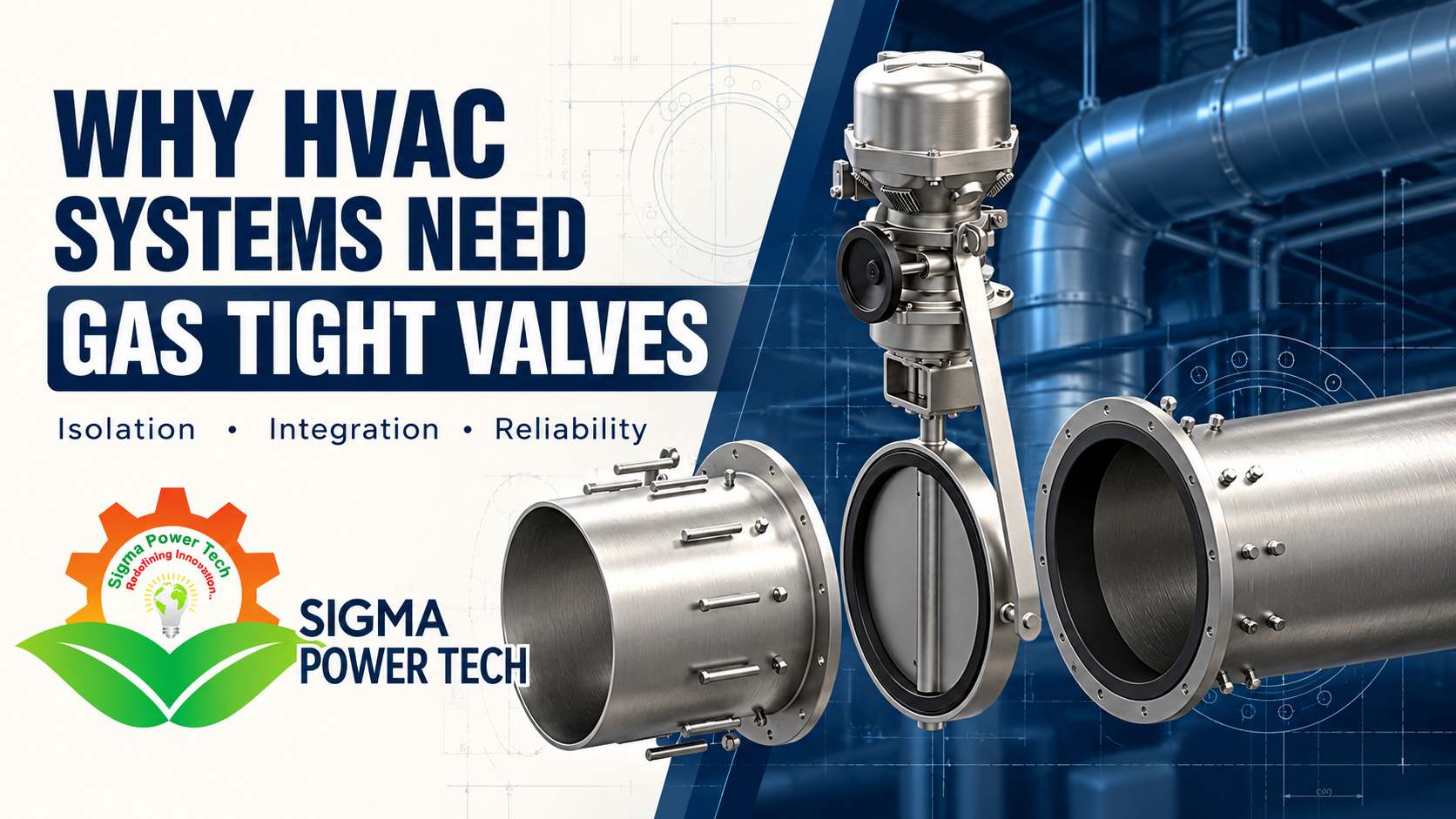
Imagine a chemical manufacturing plant where a toxic gas leak occurs after an equipment failure. Within seconds, the facility's emergency ventilation system activates to isolate contaminated air before it spreads to occupied areas. A similar situation can occur inside a CBRN shelter or underground bunker, where even a small amount of contaminated air entering through the HVAC ductwork could endanger lives. This is where a gas tight valve becomes essential. Designed to provide an airtight seal within ventilation systems, it prevents hazardous gases from travelling through ductwork and helps maintain a safe environment during emergencies.
In critical infrastructure, a properly engineered gas tight valve is just as important as the filtration system itself.
What Is a Gas Tight Valve?
A gas tight valve is a specialised isolation valve installed within ventilation ducts to completely block airflow when hazardous conditions arise. Unlike conventional HVAC dampers that primarily regulate airflow, gas tight valves are engineered for extremely low leakage rates, creating an airtight seal that prevents contaminated air from passing through the system.
These valves are widely used in protective ventilation systems where maintaining clean indoor air is vital. They play a crucial role in defence facilities, industrial plants, research laboratories, pharmaceutical facilities, and other environments where contamination control is essential.
How Does a Gas Tight Valve Work?
Under normal operating conditions, the valve remains open to allow fresh air to flow through the HVAC system. When hazardous gases, smoke, or airborne contaminants are detected, the valve quickly closes to isolate the affected section of ductwork.
Closure can be achieved using several actuation methods:
- Manual operating handle
- Electric actuator
- Pneumatic actuator
- Spring-return mechanism for automatic fail-safe closure
Once activated, precision-engineered sealing surfaces compress against durable elastomeric gaskets, forming an airtight barrier. The valve remains securely closed until authorised personnel reopen it after confirming that environmental conditions are safe.
This simple but highly reliable operation is what makes gas tight valves indispensable in high-risk ventilation systems.
Key Features of Gas Tight Valves
A high-performance gas tight valve offers several important characteristics that improve both safety and operational reliability.
Excellent Sealing Performance
The defining feature is an extremely low leakage rate. Effective sealing prevents hazardous gases from bypassing the valve and entering protected spaces.
Pressure Resistance
Many protective ventilation systems operate under positive overpressure. Gas tight valves are designed to maintain reliable sealing performance under varying pressure conditions.
Corrosion Resistance
Because HVAC systems may operate in humid or chemically aggressive environments, valves are often manufactured from stainless steel or treated with corrosion-resistant coatings for long service life.
Reliable Actuation
Whether operated manually or automatically, dependable actuation ensures the valve responds quickly during emergency situations. Spring-return systems provide additional protection if electrical power is lost.
Emergency Durability
Gas tight valves are engineered to withstand repeated operating cycles, vibration, humidity, and temperature fluctuations while maintaining consistent sealing performance.
HVAC System Compatibility
A properly engineered gas tight valve HVAC installation integrates with HEPA filters, activated carbon filters, blast valves, and overpressure systems to provide complete contamination control.
Where Are Gas Tight Valves Used?
Although often associated with military infrastructure, gas tight valves protect many different types of facilities.
The gas tight valve for bunker is one of the most common applications, safeguarding underground military shelters, command centres, and emergency facilities from airborne contamination.
A gas tight valve CBRN shelter installation forms part of a collective protection system that works alongside specialised filtration equipment to prevent chemical, biological, radiological, and nuclear agents from entering occupied spaces.
Additional applications include:
- Chemical processing plants
- Oil refineries
- Pharmaceutical manufacturing facilities
- Nuclear power plants
- Research laboratories
- Hospitals
- High-security government buildings
- Industrial HVAC systems handling hazardous materials
In each case, the valve protects both personnel and critical equipment by maintaining controlled airflow.
Factors Affecting Gas Tight Valve Price in India
The gas tight valve price depends on several technical and engineering factors.
The most significant include:
- Material quality and corrosion-resistant construction
- Manual, electric, or pneumatic actuation
- Leakage-rate certification and sealing accuracy
- Custom duct dimensions and pressure ratings
- Compliance with recognised testing standards
- Installation complexity and project-specific requirements
While premium valves involve a higher initial investment, they generally offer better reliability, lower maintenance requirements, and a longer operational lifespan.
How to Choose Gas Tight Valve Manufacturers in India
Selecting the right gas tight valve manufacturer is essential for ensuring dependable performance throughout the life of the HVAC system.
Key evaluation criteria include:
Industry Experience
Choose manufacturers with proven expertise in CBRN protection, defence infrastructure, and industrial ventilation.
Engineering Capability
The supplier should understand complete HVAC integration, including filtration systems, overpressure units, and emergency ventilation controls.
Leakage Testing
Reliable manufacturers validate sealing performance through rigorous leakage-rate and operational testing before delivery.
Quality Compliance
Products should comply with recognised engineering standards and quality management procedures.
Custom Engineering
Every ventilation system has unique airflow, duct size, and installation requirements. Manufacturers should provide customised solutions where necessary.
Technical Support
Installation guidance, commissioning assistance, maintenance services, and spare parts support contribute to long-term system reliability.
Sigma Power Tech Gas tight valve solutions are engineered for demanding industrial, defence, and protective ventilation applications. Their customised engineering, precision manufacturing, and rigorous quality processes make them suitable for critical HVAC installations.
Common Mistakes to Avoid
Even high-quality HVAC systems can underperform if the wrong valve is selected.
Avoid these common mistakes:
- Choosing equipment based only on purchase cost rather than sealing performance.
- Using conventional HVAC dampers instead of certified gas tight valves in hazardous environments.
- Ignoring compatibility with existing filtration and ventilation systems.
- Overlooking actuator reliability during electrical power failures.
- Neglecting preventive maintenance and periodic leakage testing.
- Purchasing from suppliers without experience in protective ventilation engineering.
Addressing these issues early improves both safety and long-term operational performance.
Conclusion
Gas tight valves are a vital component of modern HVAC systems designed for high-risk environments. By providing airtight isolation, they prevent hazardous gases and airborne contaminants from entering protected areas, supporting safe operation during chemical, biological, radiological, and industrial emergencies. Whether installed in CBRN shelters, military bunkers, research laboratories, or specialised HVAC systems, selecting the right valve requires careful consideration of sealing performance, engineering quality, and manufacturer expertise rather than focusing solely on the gas tight valve price. Choosing a trusted solution such as a Sigma Power Tech Gas tight valve helps ensure reliable contamination control, dependable ventilation performance, and long-term protection for critical infrastructure where safety can never be compromised.

 English
 Arabic
 French
 Spanish
 Portuguese
 Deutsch
 Turkish
 Dutch
 Italiano
 Russian
 Romaian
 Greek
