


IV Drip vs. Drinking Water: What's the Difference?
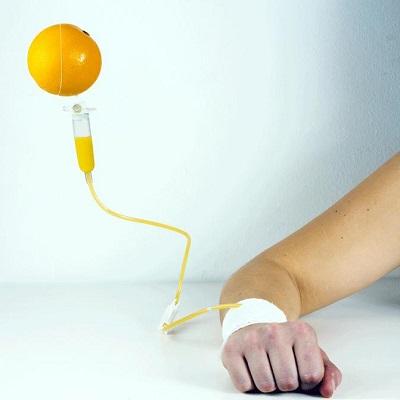
Staying hydrated is essential for maintaining good health, supporting normal body functions, and keeping the body energised throughout the day. Water plays an important role in regulating body temperature, transporting nutrients, supporting digestion, and removing waste products. While drinking water is the most common way to maintain hydration, intravenous (IV) drip therapy offers another method of delivering fluids directly into the bloodstream.
Interest in IV Drip in Muscat has grown among individuals exploring different hydration and wellness options. Both drinking water and IV therapy can help maintain the body's fluid balance, but they work differently and serve different purposes. Understanding these differences can help individuals decide which approach is appropriate for their hydration needs.
Although IV therapy may be beneficial in certain medical situations, it is not automatically better than drinking water. The right choice depends on the individual's hydration status, medical condition, and ability to consume fluids orally.
What Is the Difference Between an IV Drip and Drinking Water?
Drinking water and IV drip therapy both introduce fluids into the body, but the delivery methods are different.
Drinking water is the natural and most accessible way to maintain hydration. Once consumed, water travels through the digestive system and is absorbed primarily in the intestines before entering the bloodstream. The body then distributes it to tissues and organs according to its requirements.
IV drip therapy, on the other hand, delivers fluids directly into a vein through a small intravenous catheter. This method bypasses the digestive system and allows healthcare professionals to administer prescribed fluids, electrolytes, medications, or selected nutrients.
The main differences include:
-
Delivery method: Water is consumed orally, while IV fluids enter through a vein.
-
Absorption: Drinking water is absorbed through the digestive system, whereas IV fluids enter the bloodstream directly.
-
Purpose: Drinking water supports everyday hydration, while IV therapy is generally used for specific medical needs.
-
Supervision: Drinking water does not require medical supervision, but IV therapy should be administered by trained healthcare professionals.
-
Risks: Water is generally safe when consumed appropriately, while IV treatment carries additional risks associated with intravenous access and fluid administration.
Neither method is universally superior. Each serves a different purpose depending on the circumstances.
How Does Drinking Water Hydrate the Body?
Drinking water is the simplest and most natural way to maintain hydration. Every day, the body loses fluids through sweating, breathing, urination, and bowel movements. Regular water intake helps replace these losses and maintain a healthy fluid balance.
After someone drinks water, it passes through the stomach and enters the small intestine, where most absorption takes place. The absorbed water then enters circulation and is distributed throughout the body.
Benefits of Drinking Water
1. Supports Normal Body Functions
Water helps regulate body temperature, transport nutrients, maintain blood volume, and support cellular activities. Adequate hydration allows different organs and tissues to function normally.
2. Helps Maintain Healthy Digestion
Water supports digestion and helps soften stool, making bowel movements easier. Sufficient fluid intake can also help reduce the risk of constipation.
3. Supports Temperature Regulation
When the body becomes warm during exercise or hot weather, sweating helps regulate temperature. Drinking enough water helps replace fluids lost through this natural cooling process.
4. Helps Maintain Physical Performance
Even mild dehydration can affect concentration, physical comfort, and exercise performance. Maintaining adequate water intake supports normal physical activity and endurance.
5. Supports Kidney Function
The kidneys use water to remove waste products through urine. Appropriate hydration helps maintain normal kidney function and supports the body's natural waste-removal processes.
For most healthy individuals, drinking water regularly throughout the day is sufficient to maintain hydration. Fluid requirements vary depending on age, physical activity, climate, diet, and individual health conditions.
How Does IV Drip Therapy Work?
IV drip therapy is a medical procedure in which fluids are administered directly into a vein using a sterile intravenous catheter.
Because the fluids enter the bloodstream directly, they do not need to pass through the digestive system. This makes IV administration useful in situations where someone cannot drink enough fluids or requires medical fluid replacement.
Depending on the individual's condition, an IV solution may contain:
-
Sterile water with appropriate electrolytes.
-
Sodium chloride solutions.
-
Glucose-containing fluids.
-
Prescribed electrolyte combinations.
-
Selected vitamins or medications when medically indicated.
The composition of an IV drip depends on the treatment objective. Healthcare professionals assess the individual's condition before selecting an appropriate solution.
Potential Benefits of IV Drip Therapy
1. Direct Fluid Replacement
IV fluids can help restore hydration when someone experiences significant dehydration and requires intravenous treatment.
2. Supports Electrolyte Correction
Certain IV solutions contain sodium, potassium, or other electrolytes that may be required to correct specific imbalances.
3. Useful When Oral Hydration Is Difficult
People experiencing persistent vomiting, certain digestive conditions, or an inability to consume adequate fluids may require intravenous hydration.
4. Bypasses the Digestive System
IV administration can be useful when nutrients or medications need to be delivered intravenously because oral absorption is unsuitable.
5. Allows Medical Monitoring
Healthcare professionals can monitor fluid administration and assess the individual's response during treatment.
Despite these potential benefits, IV therapy is not necessary for routine hydration. Healthy individuals who can drink sufficient water generally do not need intravenous fluids.
IV Drip vs. Drinking Water: Which Is Better for Different Situations?
Choosing between drinking water and IV therapy depends on the reason hydration is needed.
1. Everyday Hydration
For everyday hydration, drinking water is the better option. It is convenient, inexpensive, and effective for replacing ordinary fluid losses.
There is generally no medical reason for a healthy individual to receive an IV drip simply to maintain daily hydration.
2. Mild Dehydration
Mild dehydration can usually be managed by drinking water and replacing fluids gradually.
If dehydration occurs because of diarrhoea or vomiting, an oral rehydration solution may be more appropriate because it contains a carefully balanced combination of water, salts, and glucose.
3. Moderate to Severe Dehydration
More significant dehydration requires medical assessment. Depending on its severity and the individual's condition, healthcare professionals may recommend oral rehydration or IV fluids.
Intravenous hydration can be particularly important when someone cannot tolerate oral fluids or requires urgent fluid replacement.
4. Exercise and Physical Activity
After ordinary exercise, drinking water is generally sufficient to replace fluid losses.
For prolonged or intense physical activity, particularly in hot weather, an electrolyte-containing beverage may be useful depending on the amount of sweat lost.
IV therapy is not a routine sports recovery treatment and should only be considered when medically indicated.
5. Illness and Digestive Problems
People experiencing persistent vomiting, severe diarrhoea, or certain digestive conditions may struggle to maintain adequate hydration.
In such circumstances, a healthcare professional may recommend IV fluids if oral hydration is insufficient or unsuitable.
Is IV Drip Therapy Better Than Drinking Water?
A common misconception is that IV hydration is always more effective because fluids enter the bloodstream directly.
Although IV therapy bypasses the digestive system, that does not mean it provides better hydration for everyone.
For a healthy person who can drink normally, water is absorbed efficiently and distributed throughout the body. There is generally no additional hydration advantage from receiving fluids intravenously.
IV therapy becomes valuable when a medical condition prevents adequate oral hydration or when specific fluid and electrolyte replacement is necessary.
Another important consideration is safety. Drinking water in appropriate amounts is generally safe, whereas IV therapy involves inserting a catheter into a vein and carries risks such as:
-
Bruising or discomfort around the insertion site.
-
Vein irritation or inflammation.
-
Infection.
-
Allergic reactions to administered ingredients.
-
Electrolyte disturbances.
-
Fluid overload, particularly in people with certain heart or kidney conditions.
Therefore, IV therapy should always be based on medical assessment rather than the assumption that it is a superior hydration method.
How to Maintain Healthy Hydration Every Day
Regardless of whether someone has considered IV therapy, maintaining good hydration habits is an important part of overall wellness.
The following practices can help support everyday fluid balance.
Drink Water Regularly: Consistent water intake throughout the day is generally more practical than waiting until intense thirst develops.
Increase Fluid Intake During Hot Weather: Higher temperatures and excessive sweating can increase fluid requirements. Individuals living in warm climates should pay particular attention to hydration.
Eat Water-Rich Foods: Fruits and vegetables such as watermelon, cucumber, oranges, and strawberries contribute to daily fluid intake.
Replace Fluids After Exercise: Drinking water after physical activity helps replace sweat losses. Longer exercise sessions may require additional electrolytes.
Monitor Hydration Levels: Dark urine, reduced urination, dry mouth, and unusual thirst can indicate insufficient fluid intake, although these signs are not always specific to dehydration.
Follow Individual Medical Advice: People with kidney disease, heart failure, or conditions requiring fluid restrictions should follow their healthcare professional's recommendations rather than increasing water intake independently.
FAQs About IV Drip vs. Drinking Water
1. Is an IV drip more effective than drinking water?
Not necessarily. Both methods can provide hydration, but they serve different purposes. Drinking water is generally sufficient for everyday hydration, while IV fluids are used when intravenous fluid replacement is medically necessary or oral hydration is unsuitable.
2. How quickly does an IV drip hydrate the body?
IV fluids enter the bloodstream directly during administration. However, the time required to correct dehydration depends on its severity, the type and amount of fluid prescribed, and the individual's medical condition. Treatment should always be monitored by qualified healthcare professionals.
3. Can drinking water provide the same hydration as an IV drip?
For most healthy individuals, drinking water provides effective hydration and is sufficient to replace ordinary daily fluid losses. However, individuals with significant dehydration or an inability to drink enough fluids may require IV treatment.
4. Is IV drip therapy necessary after exercise?
Usually, no. Most people can recover from exercise-related fluid loss by drinking water and eating balanced meals. Electrolyte-containing drinks may also be useful after prolonged exercise. IV therapy is generally reserved for specific medical situations.
5. Are there any risks associated with IV drip therapy?
Yes. Possible complications include bruising, infection, vein inflammation, allergic reactions, electrolyte imbalances, and fluid overload. Medical assessment and professional administration help reduce these risks.
6. How can someone know whether they need an IV drip?
Symptoms such as severe dizziness, persistent vomiting, confusion, fainting, or significantly reduced urination may indicate a need for urgent medical evaluation. A healthcare professional can assess hydration status and determine whether oral fluids or intravenous treatment is appropriate.
Final Thoughts
The difference between an IV drip and drinking water comes down to how fluids enter the body and the situations in which each method is useful.
Drinking water remains the most practical and effective option for everyday hydration. It supports digestion, temperature regulation, kidney function, and normal physical performance without requiring a medical procedure.
IV drip therapy, meanwhile, has an important role in medical care when individuals experience significant dehydration, cannot maintain oral fluid intake, or require specific fluid and electrolyte replacement.
Although interest in IV hydration continues to grow, it should not be viewed as a replacement for regular water consumption or healthy lifestyle habits. Anyone considering an IV drip should first consult a qualified healthcare professional to understand whether the treatment is necessary and suitable for their health needs.
Ultimately, the best hydration approach is the one that safely meets the body's individual requirements.
Read More About IV Drip in Muscat: https://socialfollow.demo4.dedicatedhost247.com/blogs/19187/IV-Drip-Myths-vs-Facts-Separating-Truth-From-Hype

 English
 Arabic
 Spanish
 Portuguese
 Deutsch
 Turkish
 Dutch
 Italiano
 Russian
 Romaian
 Portuguese (Brazil)
 Greek
