


Skin Cancer Excision in UK: What Happens During a Skin Cancer Excision Procedure?
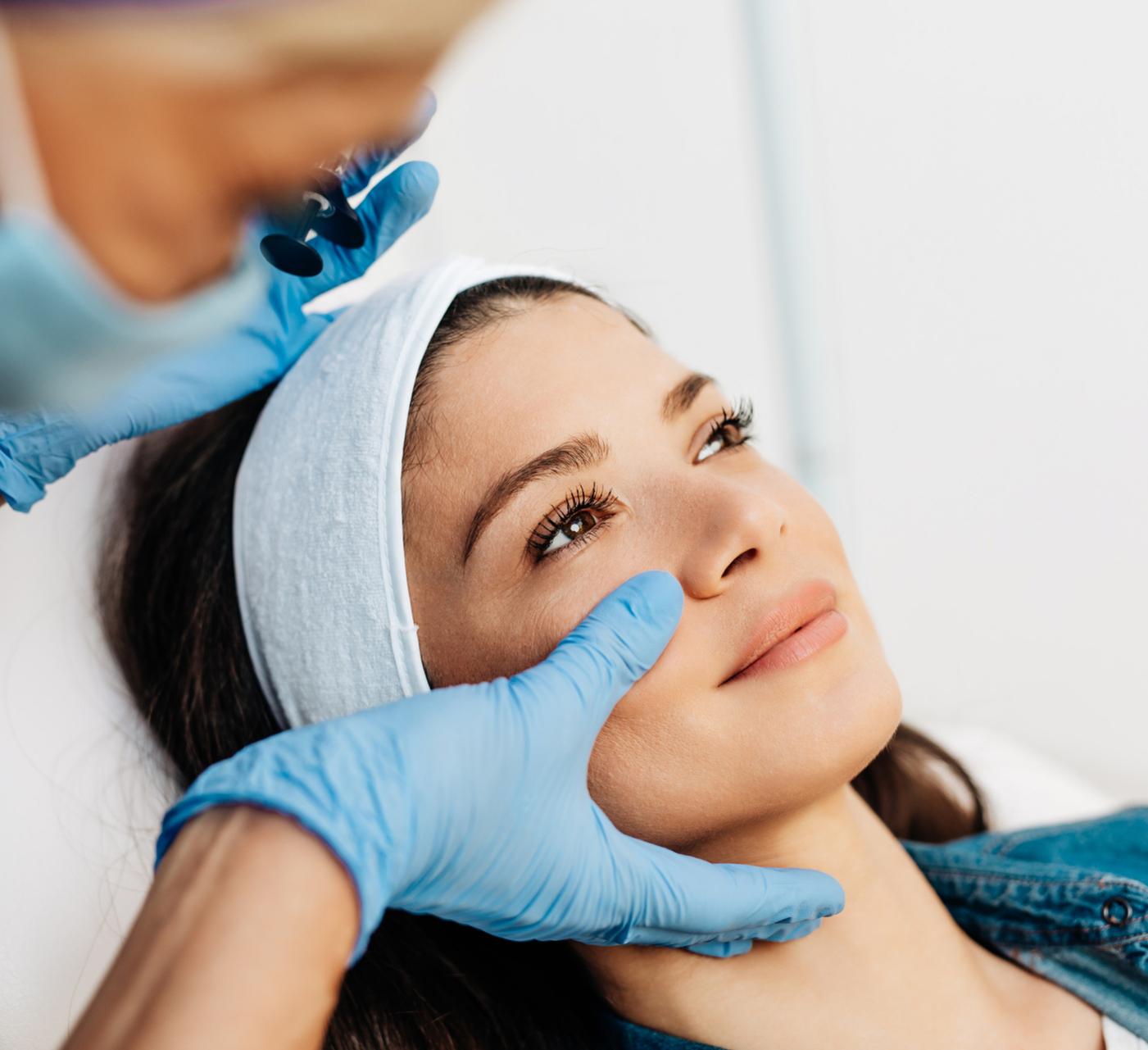
Skin cancer is one of the most common forms of cancer in the UK. Early identification and appropriate treatment are important for managing the condition and protecting the surrounding healthy skin. When a suspicious skin lesion is diagnosed as cancerous, a doctor may recommend surgical removal through a procedure known as skin cancer excision. This approach involves removing the affected area along with a small margin of surrounding tissue to help ensure that cancerous cells are completely removed.
Understanding what happens during the procedure can help patients feel more prepared and confident when attending their appointment. From the initial consultation and examination to the removal of the lesion and laboratory assessment, every stage has a specific purpose. The treatment plan depends on the type of skin cancer, its size, location and depth.
At Well Life Clinic, patients can seek professional guidance about skin conditions and appropriate surgical treatment. This article explains what happens during Skin Cancer Excision In UK, how doctors prepare for the procedure, what patients can expect during treatment and how the recovery process is generally managed.
What Is Skin Cancer Excision?
Skin cancer excision is a surgical procedure used to remove cancerous skin tissue. The doctor carefully cuts out the affected area, usually including a small border of surrounding skin. This additional tissue is called a surgical margin.
The purpose of removing this margin is to help ensure that abnormal cells have not been left behind around the original lesion. The removed tissue is generally sent to a laboratory for histological examination, where specialists examine it under a microscope.
The procedure is commonly used to treat certain types of skin cancer, including:
- Basal cell carcinoma: A common type of skin cancer that develops in the basal cells of the skin.
- Squamous cell carcinoma: A cancer that develops in the squamous cells, which form the outer layers of the skin.
- Selected melanoma cases: A more serious type of skin cancer that develops in pigment-producing cells called melanocytes.
The recommended surgical approach depends on the diagnosis and individual circumstances. Some patients may require a straightforward excision, while others may need a more specialised procedure.
When Is Skin Cancer Excision Recommended?
A doctor may recommend surgical excision when a skin lesion has been diagnosed as cancerous or when removing the affected tissue is considered the most appropriate treatment.
Several factors influence this decision. These include the type of skin cancer, the size of the lesion, its location and whether the cancer has spread into deeper layers of the skin.
Common situations in which excision may be considered include:
- A biopsy has confirmed basal cell carcinoma or squamous cell carcinoma.
- A melanoma requires surgical removal according to the recommended treatment plan.
- A suspicious skin lesion has changed in appearance and requires further assessment.
- The affected area can be removed surgically while preserving an appropriate amount of surrounding healthy tissue.
- A previous treatment has not completely removed the cancerous cells.
Not every unusual mole, mark or skin growth requires excision. A proper clinical assessment is necessary before deciding on treatment.
What Happens Before a Skin Cancer Excision Procedure?
Preparation begins with a consultation. During this appointment, the doctor reviews the patient's medical history, examines the affected area and discusses the recommended treatment.
This stage is important because it allows the clinician to understand the nature of the skin lesion and plan an appropriate procedure.
Initial Consultation and Skin Examination
The doctor begins by examining the suspicious area. They may assess its size, colour, shape, texture and position on the body.
If a biopsy has already been performed, the results may be reviewed to identify the type of skin cancer. If further investigation is needed, the doctor may recommend an appropriate diagnostic assessment.
The examination also helps determine how much tissue may need to be removed.
Reviewing Medical History
Patients may be asked about their general health, previous skin procedures, existing medical conditions and medications.
It is particularly important to mention medicines that affect blood clotting, previous reactions to local anaesthetic and any history of skin cancer.
This information helps the doctor plan treatment according to the patient's circumstances.
Explaining the Procedure
Before surgery, the clinician explains how the excision will be performed, which type of anaesthetic will be used and how the wound will be closed.
Patients can also discuss expected recovery time, wound care and whether the removed tissue will require laboratory examination.
Understanding these details helps patients know what to expect on the day of treatment.
Step-by-Step: What Happens During Skin Cancer Excision?
Although the exact technique varies depending on the lesion, most standard skin cancer excisions follow a similar process.
Step 1: Preparing the Treatment Area
The patient is positioned comfortably so that the doctor can access the affected area. The skin is cleaned using an appropriate antiseptic solution to prepare the surgical site.
The doctor may mark the area to be removed, including the planned surgical margin. These markings help guide the procedure and ensure that the correct tissue is targeted.
Step 2: Administering Local Anaesthetic
Most straightforward skin cancer excisions are performed under local anaesthetic.
The doctor injects the anaesthetic into the skin surrounding the lesion. Patients may initially experience a brief stinging sensation, followed by numbness in the treatment area.
Once the area is sufficiently numb, the doctor checks that the patient is comfortable before proceeding.
Patients remain awake during procedures performed under local anaesthetic, although they should not feel sharp pain in the treated area.
Step 3: Removing the Cancerous Tissue
After the anaesthetic has taken effect, the doctor carefully removes the cancerous lesion using a surgical instrument.
The excision generally includes a small margin of surrounding skin. The required margin depends on the type of cancer, its size and the relevant clinical guidelines.
The aim is to remove the affected tissue while preserving as much healthy surrounding skin as reasonably possible.
For certain skin cancers, particularly melanoma, the recommended margin may differ from that used for other types of skin cancer.
Step 4: Sending the Tissue for Laboratory Examination
After removal, the tissue sample is usually labelled and sent to a pathology laboratory.
A specialist examines the sample under a microscope to determine whether the cancerous tissue has been completely removed.
The laboratory report may provide information about:
- The confirmed type of skin cancer.
- The depth or thickness of the lesion, where relevant.
- Whether cancerous cells extend to the edges of the removed tissue.
- Whether the surgical margins are clear.
These findings help the treating doctor decide whether any additional treatment or follow-up is required.
Step 5: Closing the Wound
Once the affected tissue has been removed, the doctor assesses the remaining skin and decides how best to close the wound.
For smaller excisions, the edges may be brought together using stitches. Depending on the size and location of the wound, other closure techniques may be considered.
In some cases, a skin flap or skin graft may be required to cover the area. These techniques are generally used when a larger amount of tissue has been removed or when the location makes straightforward closure difficult.
The doctor then applies an appropriate dressing to protect the treated area.
Step 6: Receiving Aftercare Instructions
Before leaving, patients receive instructions about caring for the wound.
These may include keeping the dressing clean and dry for the recommended period, following the advised cleaning routine and avoiding activities that place unnecessary tension on the wound.
The doctor also explains when stitches should be removed, if applicable, and when to expect the laboratory results.
What Happens After Skin Cancer Excision?
Recovery depends on the size and location of the excision, the amount of tissue removed and the method used to close the wound.
Most patients return home on the same day after a straightforward procedure performed under local anaesthetic.
During the initial recovery period, patients should follow the clinician's instructions carefully. The wound needs appropriate protection while the skin begins to heal.
Some general aftercare recommendations include:
- Keep the wound clean according to the medical team's instructions.
- Change dressings as advised by the clinician.
- Avoid stretching or putting pressure on the treated area.
- Follow instructions about bathing, showering and physical activities.
- Attend scheduled appointments for wound assessment and stitch removal.
- Contact the clinic if the wound does not appear to be healing as expected.
The healing process varies between individuals. Areas exposed to frequent movement may take longer to settle than areas with less movement.
Understanding Skin Cancer Excision Results
One of the most important parts of the procedure is reviewing the pathology report.
The report helps establish whether the removed tissue contains clear margins. Clear margins generally mean that no cancerous cells were identified at the edges of the excised sample.
If the margins are clear, the doctor may recommend routine monitoring and follow-up appointments.
If cancerous cells are found at the edges, additional treatment may be recommended. This could involve another excision or a different surgical technique, depending on the type and location of the cancer.
For certain skin cancers, specialised surgery such as Mohs micrographic surgery may be considered, particularly when preserving healthy tissue is important.
Patients should discuss their results with their treating clinician to understand what the findings mean for their individual treatment plan.
How Is Skin Cancer Excision Different from Other Skin Procedures?
Skin cancer excision is different from routine cosmetic skin procedures because its primary purpose is to remove cancerous tissue rather than simply improve appearance.
For example, Scar Revision Surgery In UK focuses on improving the appearance or function of an existing scar. It may involve removing scar tissue, adjusting the surrounding skin or changing the direction and appearance of the scar.
Skin cancer excision, however, is performed to remove diagnosed cancerous tissue with an appropriate surgical margin.
Although both procedures involve surgical techniques and wound closure, their medical objectives are different.
A patient who has undergone skin cancer excision may later discuss scar treatment if the healed area causes cosmetic concerns or functional difficulties. Any further treatment should be considered after the original cancer treatment has been appropriately completed.
Why Is Professional Assessment Important?
Skin lesions can look very different from one person to another. Some skin cancers develop as small, shiny bumps, while others may appear as scaly patches, persistent sores or changing pigmented marks.
A professional examination helps determine whether a lesion requires monitoring, biopsy or surgical removal.
Patients should seek medical advice if they notice:
- A mole changing in size, shape or colour.
- A new skin growth that continues to develop.
- A sore that does not heal.
- A rough or scaly patch that persists.
- A skin lesion that repeatedly bleeds or forms a crust.
- A new mark that looks noticeably different from other existing marks.
These changes do not automatically indicate skin cancer, but they should be assessed by an appropriate healthcare professional.
How Well Life Clinic Supports Patients Seeking Skin Surgery
Choosing an appropriate treatment begins with understanding the patient's skin condition and medical needs. A consultation provides an opportunity to discuss the affected area, available treatment approaches and the next steps.
Well Life Clinic provides information and guidance for patients exploring skin surgery services in the UK.
Whether someone needs an assessment of a suspicious skin lesion or wants to understand the process involved in surgical skin treatment, professional advice can help clarify the available options.
Patients interested in Skin Cancer Excision In UK should ensure that their diagnosis and treatment plan are discussed with an appropriately qualified healthcare professional. Where cancer is suspected or confirmed, care should follow the relevant specialist referral and treatment pathway.
Those who would like further information about available services can Book Skin Surgery Appointment In UK to discuss their concerns and understand the appropriate next steps.
Conclusion
Skin cancer excision is an established surgical approach for removing certain types of skin cancer. The procedure generally involves preparing the affected area, administering local anaesthetic, removing the cancerous tissue with an appropriate margin, sending the sample for laboratory examination and closing the wound.
Understanding each stage can make the treatment process easier to navigate. The pathology report is particularly important because it helps determine whether the cancer has been completely removed or whether additional treatment is needed.
The most suitable approach depends on the type of skin cancer, its location, size and individual patient requirements. Seeking professional assessment and following the recommended treatment and aftercare plan are important steps towards appropriate skin cancer management.
Frequently Asked Questions
1. What is skin cancer excision?
Skin cancer excision is a surgical procedure that removes cancerous skin tissue along with a margin of surrounding tissue. The removed sample is generally sent to a laboratory for examination to assess whether the cancer has been completely removed.
2. Is skin cancer excision performed under local anaesthetic?
Most straightforward skin cancer excisions are performed under local anaesthetic. This numbs the treatment area while allowing the patient to remain awake during the procedure. More complex procedures may require a different anaesthetic approach.
3. How long does a skin cancer excision procedure take?
The duration depends on the size, location and complexity of the lesion. A straightforward excision may take approximately 20 to 60 minutes, although more complex procedures can take longer.
4. Does skin cancer excision require stitches?
Many skin cancer excisions require stitches to bring the wound edges together. However, the closure method depends on the amount of tissue removed and the location of the treated area. Some wounds may require a skin flap or graft.
5. What happens to the skin removed during excision?
The removed tissue is usually sent to a pathology laboratory. A specialist examines it under a microscope to confirm the diagnosis and assess whether the cancerous cells have been removed with clear surgical margins.
6. How long does it take to recover from skin cancer excision?
Recovery varies depending on the size and location of the wound. Smaller wounds may heal within a few weeks, while larger surgical areas can require longer. Patients should follow their clinician's aftercare instructions.
7. Will skin cancer excision leave a scar?
An excision generally leaves a scar because a section of skin has been surgically removed. Its final appearance depends on the size of the wound, the body area, healing characteristics and closure technique.
8. What happens if cancer cells remain after skin cancer excision?
If the pathology report identifies cancerous cells at the surgical margins, the doctor may recommend further treatment. This may include another excision or a specialised surgical technique, depending on the diagnosis.
9. Can skin cancer excision remove melanoma?
Yes. Surgical excision is an important part of melanoma treatment. However, melanoma management requires a specific treatment plan based on the diagnosis, tumour thickness and other clinical findings. Some patients may also require additional investigations or treatment.
10. When should I book a skin surgery appointment?
You should seek medical advice if you notice a changing mole, a persistent skin lesion, a sore that does not heal or an unusual growth. A healthcare professional can assess the area and advise whether further investigation or treatment is necessary.
11. Is skin cancer excision a day procedure?
Many straightforward skin cancer excisions are performed as day procedures under local anaesthetic. Patients can usually return home on the same day, although more complex operations may require additional arrangements.
12. Can I have scar revision after skin cancer excision?
Scar revision may be considered once the surgical wound has healed and the original cancer treatment has been appropriately addressed. The suitability and timing depend on the scar, its location and the patient's medical circumstances.

 English
 Arabic
 French
 Spanish
 Portuguese
 Turkish
 Dutch
 Italiano
 Russian
 Romaian
 Portuguese (Brazil)
 Greek
