


Botox in London: What Is the Difference Between Preventative and Corrective Botox?
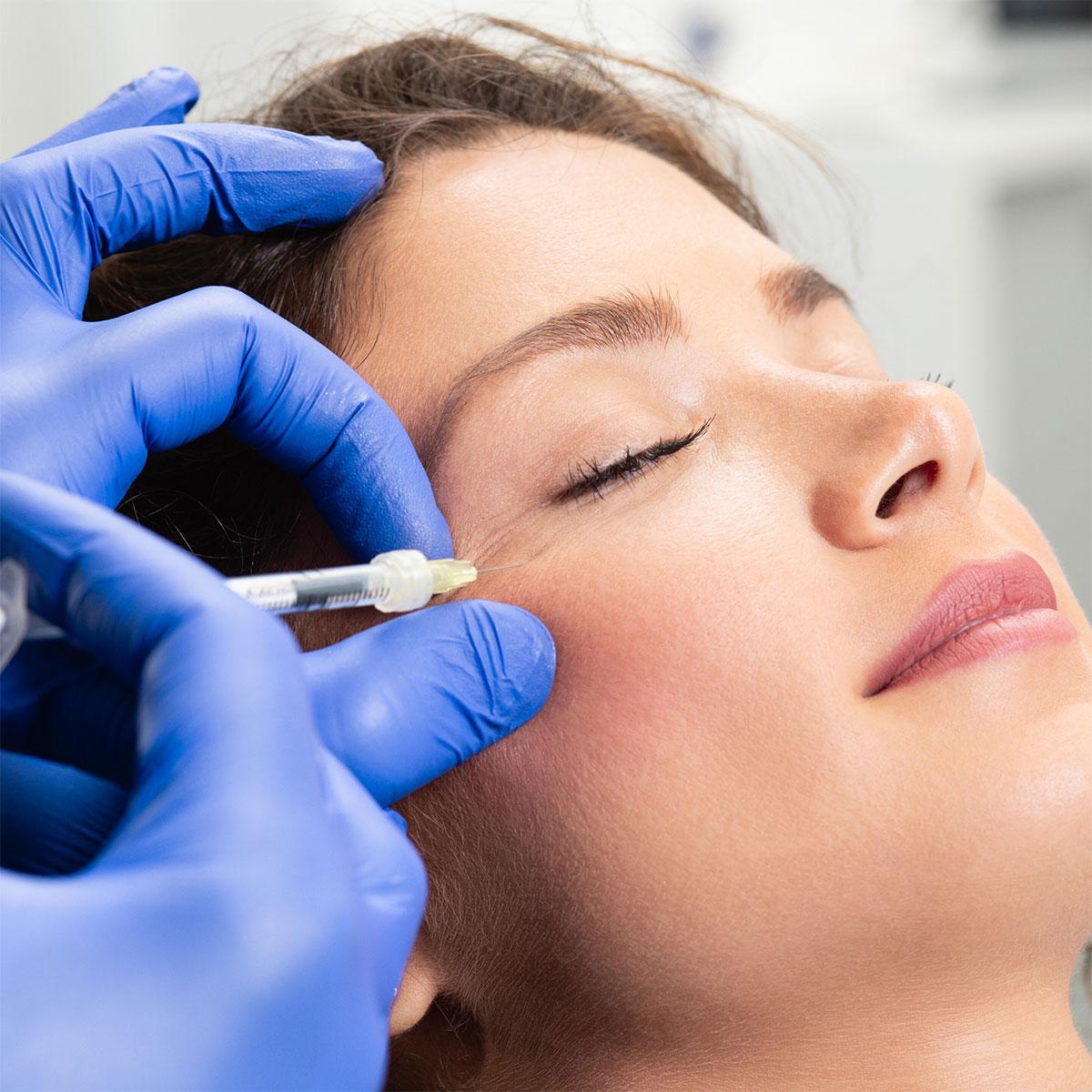
Botox has become a popular non-surgical aesthetic treatment for people who want to maintain a refreshed appearance and soften visible facial lines. However, not everyone considers Botox for the same reason. Some individuals explore treatment before expression lines become deeply established, while others seek it to improve wrinkles that are already noticeable. These two approaches are commonly described as preventative Botox and corrective Botox.
Understanding the difference can help individuals make informed decisions about their aesthetic goals, treatment timing and expectations. Although both approaches use botulinum toxin injections to temporarily reduce the activity of selected facial muscles, they differ in their primary objectives and the concerns they aim to address.
At Bodyvie Clinic, individuals considering Botox in London can benefit from an individual assessment that considers their facial expressions, skin condition and personal preferences. Rather than following a standard treatment approach, understanding how facial muscles contribute to wrinkles helps determine whether preventative or corrective treatment may be appropriate.
Understanding How Botox Works
Botox is a purified form of botulinum toxin type A used in aesthetic medicine to temporarily reduce muscle activity. It works by interrupting the communication between selected nerves and muscles, preventing the targeted muscles from contracting as strongly as before.
Facial expressions such as smiling, frowning and raising the eyebrows involve repeated muscle movements. Over time, these movements can contribute to the development of expression lines. Common areas include the forehead, the space between the eyebrows and the outer corners of the eyes.
When administered by a suitably qualified practitioner, Botox can soften the appearance of these lines by reducing the muscle activity responsible for them. The treatment does not remove every wrinkle or change the underlying structure of the skin. Instead, it focuses on specific muscles associated with facial expressions.
The results generally begin to become noticeable within several days, with the full effect developing over approximately two weeks. The duration varies between individuals, but results commonly last around three to four months.
What Is Preventative Botox?
Preventative Botox refers to treatment used before expression lines become deeply established or remain visible when the face is at rest. Its primary objective is to reduce repeated muscle activity that may contribute to the development of more noticeable wrinkles over time.
People considering preventative treatment may notice fine lines appearing when they raise their eyebrows, concentrate or smile. These lines may disappear when their facial muscles relax, suggesting that they are primarily dynamic expression lines.
The idea behind preventative Botox is to address these movements before the associated lines become more permanent. By temporarily reducing the activity of selected facial muscles, treatment may help limit the repeated folding of the skin in targeted areas.
However, preventative Botox is not necessarily appropriate for everyone. Age alone does not determine whether someone should consider treatment. Facial anatomy, muscle strength, skin characteristics and individual preferences are more relevant factors.
Common Reasons People Consider Preventative Botox
Individuals may explore preventative treatment for several reasons:
- They have started noticing fine expression lines during facial movements.
- They want to maintain a smoother appearance around the forehead or eyes.
- They have naturally strong facial expressions that create noticeable creases.
- They want to understand how early treatment may fit into their long-term aesthetic goals.
- They prefer a conservative approach before expression lines become more established.
Preventative treatment should be based on an actual aesthetic concern rather than the assumption that everyone needs Botox at a particular age.
What Is Corrective Botox?
Corrective Botox is generally used when expression lines are already noticeable and an individual wants to soften their appearance. Unlike preventative treatment, which focuses on reducing muscle activity before wrinkles become deeply established, corrective treatment addresses existing lines associated with repeated facial movements.
Dynamic wrinkles are caused by repeated muscle contractions. They commonly appear when someone frowns, smiles or raises their eyebrows. As skin gradually loses some of its natural elasticity, these lines may become more noticeable and can eventually remain visible even when the face is relaxed.
Botox can help improve the appearance of certain expression lines by reducing the activity of the muscles responsible for creating them.
Corrective treatment does not necessarily eliminate every wrinkle. Lines that are visible even without facial movement may have developed additional skin-related changes. These may require a different approach depending on their depth, location and underlying cause.
Common Areas Treated with Corrective Botox
Corrective Botox is frequently considered for several facial areas:
Forehead Lines: Horizontal forehead lines can develop through repeated eyebrow movements. Treatment may help soften their appearance by reducing activity in selected forehead muscles.
Frown Lines: Vertical lines between the eyebrows, sometimes called glabellar lines, may become noticeable through repeated frowning or concentration. Botox can help relax the muscles responsible for these movements.
Crow's Feet: These fine lines develop around the outer corners of the eyes, particularly during smiling. Carefully planned injections can reduce the muscle activity contributing to their appearance.
Bunny Lines: Small lines across the upper sides of the nose may become visible during certain facial expressions. In selected cases, treatment may help soften them.
The appropriate treatment areas depend on individual facial anatomy and the practitioner's assessment.
Preventative vs Corrective Botox: Understanding the Main Differences
Although both approaches use the same general treatment principle, their objectives and starting points are different.
Preventative Botox focuses on reducing repeated facial muscle activity before expression lines become deeply established. Corrective Botox focuses on improving the appearance of lines that have already developed.
Another difference is the condition of the skin before treatment. Someone considering preventative treatment may only have fine lines that appear during facial movements. Someone exploring corrective treatment may have more noticeable wrinkles, including lines that remain visible when the face is relaxed.
The expected results can also differ. Preventative treatment aims to manage early expression lines, while corrective treatment aims to soften existing wrinkles. Neither approach can guarantee that wrinkles will never develop or completely reverse established skin changes.
Treatment planning should therefore focus on the individual's facial features rather than simply choosing a preventative or corrective label.
When Should Someone Consider Preventative Botox?
There is no universal age at which preventative Botox should begin. Some people notice expression lines earlier because of their facial movement patterns, while others develop visible wrinkles later.
A useful starting point is observing how the skin behaves during everyday expressions. For example, someone may notice forehead lines when raising their eyebrows or vertical lines between their eyebrows when concentrating.
If these lines disappear when the face relaxes, they may represent early dynamic wrinkles. A consultation can help determine whether treatment is appropriate or whether other skincare approaches are sufficient.
It is also important to avoid treating Botox as a compulsory part of an anti-ageing routine. People with minimal expression lines and no particular concerns may not need treatment.
The decision should reflect personal preferences, realistic expectations and professional advice.
Can Corrective Botox Improve Deep Wrinkles?
Corrective Botox can improve the appearance of many expression-related wrinkles, but its effectiveness depends on the type and depth of the lines.
Dynamic wrinkles generally respond well because they are closely associated with muscle movement. When the targeted muscles become less active, the skin experiences less repeated folding during facial expressions.
However, static wrinkles can be more complex. These are lines that remain visible even when the face is completely relaxed. They may be associated with changes in collagen, elastin, skin thickness and natural ageing.
Botox may soften the dynamic component of these wrinkles, but it may not completely remove deeper creases.
During an assessment, a practitioner can examine whether the lines are primarily movement-related or whether other skin treatments may be more suitable. This helps create a realistic treatment plan based on the individual's concerns.
How Does a Botox Consultation Help Determine the Right Approach?
A professional consultation is an important part of deciding between preventative and corrective Botox. Facial anatomy and muscle movement vary considerably, meaning that a treatment approach suitable for one individual may not be appropriate for another.
During a consultation, the practitioner may consider:
- Facial movement: Observing how the forehead, eyebrows and eye area move during expressions.
- Existing wrinkles: Identifying whether lines appear only during movement or remain visible at rest.
- Skin characteristics: Considering skin elasticity, texture and the appearance of established lines.
- Aesthetic preferences: Understanding whether the individual wants to address early expression lines or improve existing wrinkles.
- Treatment history: Reviewing previous Botox treatments and the individual's experience with aesthetic procedures.
These considerations help determine which muscles may benefit from treatment and how much muscle activity should be reduced.
A personalised approach is particularly important for maintaining natural-looking facial expressions. The aim is to soften unwanted lines without unnecessarily restricting normal movement.
What Results Can Be Expected from Preventative and Corrective Botox?
Both preventative and corrective Botox can produce a smoother appearance in appropriately selected treatment areas. However, the results depend on the individual's facial anatomy, muscle strength, treatment plan and response to the injections.
With preventative Botox, the focus is generally on reducing the appearance of early expression lines and limiting repeated muscle folding in the treated areas.
With corrective Botox, the objective is to soften existing expression lines. Individuals may notice that their forehead appears smoother or that frown lines become less prominent when the targeted muscles are relaxed.
Results are not immediate. Initial changes may appear within three to five days, while the full effect generally develops within 10 to 14 days.
The effects are temporary, and muscle activity gradually returns as the treatment wears off. Some individuals choose to arrange follow-up treatments, depending on their preferences and professional recommendations.
It is important to remember that Botox does not stop natural ageing. Maintaining realistic expectations helps individuals make informed decisions about ongoing aesthetic care.
Why Choose a Personalised Approach to Botox in London?
A personalised treatment plan is essential because facial expressions are an important part of individual appearance. Over-treating certain muscles can affect the natural balance of facial movement, while treating the wrong areas may not address the individual's primary concerns.
When exploring Botox Injections In London, individuals should consider the practitioner's qualifications, experience with facial anatomy and approach to treatment planning.
An appropriate consultation should provide clear information about the treatment, expected results, suitable injection areas and realistic limitations.
At Bodyvie Clinic, individuals can explore aesthetic treatment options according to their facial characteristics and personal goals. Whether someone is considering preventative Botox for early expression lines or corrective Botox for established wrinkles, an individual assessment can help identify an appropriate approach.
People researching the Best Botox Clinic London should prioritise professional standards, qualified practitioners, transparent consultations and treatment plans that respect natural facial expression.
Conclusion
Preventative and corrective Botox share the same treatment principle, but they address different stages of expression-line development. Preventative Botox focuses on reducing repeated muscle activity before wrinkles become deeply established, whereas corrective Botox aims to soften expression lines that are already visible.
Neither approach is automatically better than the other. The right option depends on the individual's facial anatomy, skin characteristics, existing wrinkles and aesthetic preferences.
A professional consultation helps establish whether Botox is suitable and which treatment approach may offer the most appropriate results. At Bodyvie Clinic, individuals considering Botox can explore personalised options designed to address their concerns while maintaining natural-looking facial expressions.
Frequently Asked Questions
1. What is the main difference between preventative and corrective Botox?
Preventative Botox aims to reduce repeated muscle movements before expression lines become deeply established. Corrective Botox is used to soften wrinkles that have already developed through repeated facial expressions.
2. At what age should someone consider preventative Botox?
There is no specific age when everyone should begin preventative Botox. Suitability depends on facial muscle activity, early expression lines, skin characteristics and personal preferences rather than age alone.
3. Does preventative Botox stop wrinkles from developing?
Preventative Botox may help reduce repeated skin folding caused by targeted facial muscle movements. However, it cannot guarantee that wrinkles will never develop because natural ageing and other skin-related factors continue.
4. Can corrective Botox remove deep forehead wrinkles?
Corrective Botox can soften forehead wrinkles associated with muscle movement. However, deeper lines that remain visible when the face is relaxed may not disappear completely with Botox alone.
5. How long does Botox take to show results?
Initial changes generally become noticeable within three to five days. The full effect usually develops within approximately 10 to 14 days, although individual responses can vary.
6. How long do preventative Botox results last?
Preventative Botox results commonly last around three to four months. The duration depends on individual muscle activity, treatment areas and how the body responds to the treatment.
7. Can someone switch from preventative to corrective Botox?
Yes. An individual's treatment goals may change as their facial features and skin develop over time. A practitioner can reassess their concerns and adjust the treatment approach accordingly.
8. Is preventative Botox better than corrective Botox?
Neither approach is universally better. Preventative treatment may suit individuals with early expression lines, while corrective treatment may be more appropriate for those with established movement-related wrinkles.
9. Which facial areas are commonly treated with Botox?
Common treatment areas include forehead lines, frown lines between the eyebrows and crow's feet around the eyes. Other areas may be considered following an individual assessment.
10. How can I choose the right Botox clinic in London?
Look for a clinic that provides consultations with suitably qualified practitioners, explains treatment options clearly, assesses individual facial anatomy and establishes realistic expectations before proceeding.
11. Does Botox make the face look unnatural?
Botox does not automatically create an unnatural appearance. Appropriate treatment planning considers facial proportions and normal muscle movement to achieve a balanced, refreshed result.
12. Is a consultation necessary before preventative or corrective Botox?
Yes. A consultation allows the practitioner to assess facial movements, identify the type of wrinkles present and determine whether Botox is appropriate for the individual's aesthetic goals.

 English
 Arabic
 French
 Spanish
 Portuguese
 Deutsch
 Turkish
 Dutch
 Russian
 Romaian
 Portuguese (Brazil)
 Greek
