


Why Is Radon Testing Important for Every Home?
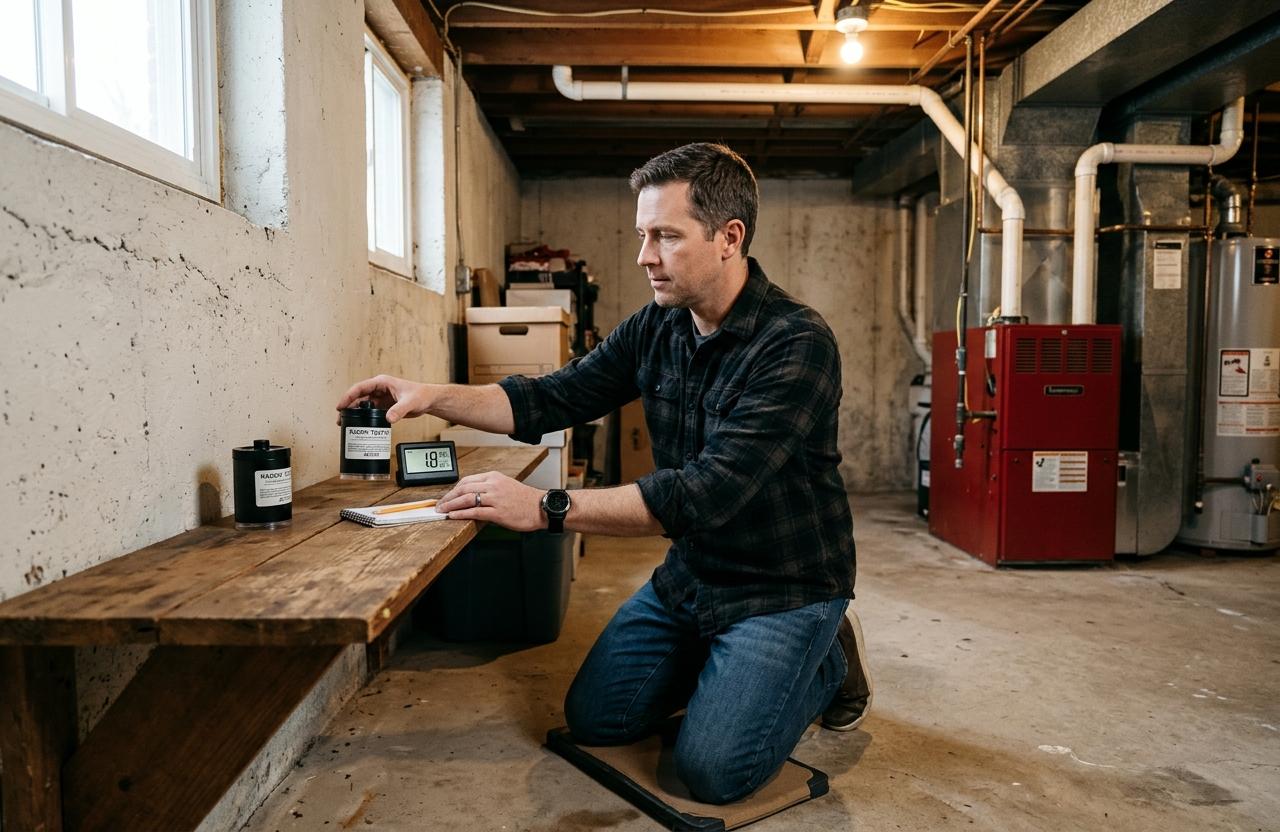
Your home should be a safe and healthy place for you and your family. However, some potential health risks are difficult to recognise because they cannot be seen, smelled, or tasted. Radon gas is one such risk. It is a naturally occurring radioactive gas that forms when uranium in soil and rocks breaks down. This gas can enter homes through small cracks, foundation openings, basement floors, and other gaps in the building structure.
Radon can accumulate indoors and become a health concern when people are exposed to elevated concentrations over a long period. According to Health Canada, radon exposure is the leading cause of lung cancer among non-smokers. The good news is that homeowners can identify this risk through proper testing and take effective steps to reduce exposure.
Radon testing in Ottawa is an important step towards understanding indoor air quality and protecting your household. Whether you own a detached house, townhouse, or commercial property, professional testing can help you understand your property's radon levels and determine whether further action is necessary.
What Is Radon Gas and Why Should Homeowners Be Concerned?
Radon is a naturally occurring radioactive gas produced by the breakdown of uranium found in soil and rock. Because it is colourless, odourless, and tasteless, homeowners cannot detect it using their senses.
Radon can enter buildings through:
-
Cracks in concrete foundations and basement floors.
-
Openings around water pipes and utility lines.
-
Gaps around floor drains and sump pumps.
-
Crawl spaces and exposed soil.
-
Small openings in foundation walls.
Once inside, radon can accumulate, particularly in poorly ventilated areas. Long-term exposure to elevated radon concentrations increases the risk of developing lung cancer.
Ottawa homeowners should not assume their property is safe simply because it is modern, well-maintained, or recently constructed. Radon levels can vary significantly between neighbouring properties. Testing is the only reliable way to determine the concentration inside a building.
Why Is Professional Radon Testing Important in Ottawa?
Professional radon testing helps homeowners understand whether their indoor environment contains elevated radon concentrations. It provides useful information that can support informed decisions about indoor air quality and potential mitigation.
1. Identify Hidden Radon Problems
The biggest challenge with radon is that it does not produce noticeable warning signs. You cannot determine whether your home has elevated radon levels by looking at walls, checking the basement, or observing the air.
A professional radon testing service uses appropriate measurement equipment to assess indoor radon concentrations. This allows homeowners to identify potential problems before prolonged exposure becomes a greater concern.
2. Protect Your Family's Long-Term Health
Children, adults, and older family members can all be exposed to radon inside their homes. Long-term exposure to elevated concentrations increases lung cancer risk.
Testing helps homeowners understand their exposure and decide whether corrective measures are needed. Reducing indoor radon concentrations can lower the health risks associated with long-term exposure.
3. Understand Your Indoor Air Quality
Indoor air quality affects the comfort and health of everyone living in a property. Radon testing provides specific information about an invisible indoor pollutant that ordinary cleaning and ventilation practices cannot reliably identify.
It is particularly important for families who regularly use their basements as bedrooms, recreational rooms, home offices, or living spaces.
How Does the Radon Testing Process Work?
Understanding the testing process can help homeowners feel more confident when arranging a professional assessment.
Step 1: Assess the Property
The first step involves understanding the building's structure, foundation, basement layout, and occupied areas. These details help determine suitable locations for radon measurement.
Step 2: Place the Testing Equipment
Radon measurement devices are positioned in appropriate indoor locations. For residential testing, the lowest regularly occupied level is generally the most important place to measure.
The equipment should be placed according to the manufacturer's instructions and relevant testing standards. Its position should remain undisturbed during the measurement period.
Step 3: Measure Indoor Radon Concentrations
Radon levels naturally fluctuate because of weather, ventilation, building conditions, and seasonal changes. Therefore, a short measurement may not provide an accurate picture of a home's average annual radon concentration.
Health Canada recommends long-term testing lasting at least 91 days, ideally with at least 91 days during the heating season. This helps provide a more representative result.
Step 4: Review and Understand the Results
Once testing is complete, the measured concentration can be compared with the Canadian guideline.
Health Canada's recommended guideline for indoor radon is 200 becquerels per cubic metre (Bq/m³). If a long-term test indicates levels above this guideline, corrective action is recommended.
Professional advice can help homeowners understand their results and determine the appropriate next steps.
When Should You Schedule a Radon Test?
Many homeowners only consider radon testing when buying or selling a property. However, testing is beneficial in several other situations.
Consider arranging a radon test when:
-
You move into a newly purchased home.
-
You regularly use your basement as a living area.
-
You are planning a basement renovation.
-
You have recently completed major structural improvements.
-
You have never tested your property for radon.
-
You want to check whether an existing mitigation system is working properly.
Even if your property has previously received a low radon reading, future changes in building conditions and ventilation may affect indoor concentrations. Retesting can help maintain confidence in your indoor environment.
What Happens If Your Home Has High Radon Levels?
Receiving a high radon reading does not mean that your property is unsafe to occupy permanently. It means you should take appropriate corrective action to reduce exposure.
One commonly used solution is Active Sub-Slab Depressurization (ASD). This method uses a specially designed pipe and fan system to draw radon-containing soil gases from beneath the foundation and release them safely outside.
Other properties may require active soil depressurization, particularly when they have crawl spaces or exposed soil beneath the building.
The correct solution depends on the property's construction, foundation condition, radon concentration, and entry pathways. A qualified mitigation professional can assess these factors and recommend an appropriate system.
After installation, follow-up testing is important to confirm that the mitigation system has successfully reduced indoor radon concentrations.
Why Choose Professional Radon Testing Services?
Although homeowners can purchase do-it-yourself radon test kits, professional services can offer additional assistance with equipment placement, measurement procedures, result interpretation, and potential mitigation requirements.
Choosing an experienced professional can help ensure that testing follows recognised procedures and provides useful information.
When selecting a service provider, consider:
-
Relevant professional training and certifications.
-
Experience with residential and commercial properties.
-
Appropriate radon measurement equipment.
-
Clear explanations of testing results.
-
Knowledge of radon mitigation methods.
-
Follow-up testing and customer support.
If you are arranging professional testing, consider checking whether the provider holds appropriate Canadian National Radon Proficiency Program (C-NRPP) credentials for the services being offered.
Why Is Radon Testing Important Before Buying a Property?
Buying a home is a major financial decision, and understanding its indoor environmental conditions is an important part of property evaluation.
A house may look attractive and have a well-maintained interior while still containing elevated radon concentrations. A radon test provides additional information that a standard visual property inspection may not reveal.
For potential buyers, testing can help identify whether mitigation might be necessary. For sellers, having reliable test results can provide useful information to prospective buyers and demonstrate attention to property maintenance.
Including radon testing in the home-buying process can help people make more informed decisions.
Why Choose Ottawa Radon Pros for Radon Testing?
Choosing a reliable radon service provider is an important part of maintaining a healthier indoor environment. Ottawa Radon Pros provides radon testing, radon removal, and mitigation services for residential and commercial properties.
The company serves Ottawa, Kanata, Cornwall, Vanier, and surrounding communities. Its website highlights services such as professional radon testing, active sub-slab depressurization, active soil depressurization, and radon mitigation system repairs and upgrades.
Homeowners looking for professional assistance can explore the available services at https://ottawaradon.pro/ and request information about suitable testing or mitigation solutions for their properties.
How Can Homeowners Maintain Lower Radon Levels?
After identifying elevated radon concentrations and completing the recommended mitigation work, homeowners should take steps to monitor their indoor environment.
Here are some useful considerations:
-
Schedule follow-up testing: Test your home after mitigation to confirm that radon concentrations have decreased.
-
Maintain mitigation equipment: Check the system regularly and arrange professional maintenance when necessary.
-
Monitor building changes: Renovations, foundation repairs, and ventilation improvements can affect radon entry.
-
Retest when appropriate: Follow Health Canada's recommendations for retesting after major renovations or other significant changes.
-
Seek professional advice: Consult a qualified specialist if readings remain elevated or equipment requires attention.
These measures can help homeowners maintain a better understanding of indoor radon conditions over time.
Conclusion
Radon testing is an important part of maintaining a healthy home because this invisible radioactive gas can accumulate indoors without producing noticeable signs. Long-term exposure to elevated radon concentrations increases the risk of lung cancer, making early detection and appropriate corrective action essential.
For homeowners in Ottawa, professional radon testing provides valuable information about indoor radon levels and helps determine whether mitigation is necessary. From identifying hidden radon problems to checking existing mitigation systems, regular testing supports informed property maintenance decisions.
If you have never tested your home, consider arranging a professional assessment. Visit Ottawa Radon Pros to learn more about available radon testing and mitigation services and take an informed step towards a healthier indoor environment.

 English
 French
 Spanish
 Portuguese
 Deutsch
 Turkish
 Dutch
 Italiano
 Russian
 Romaian
 Portuguese (Brazil)
 Greek
