


What Can mcwiper Customize for an OEM Wiper Project?
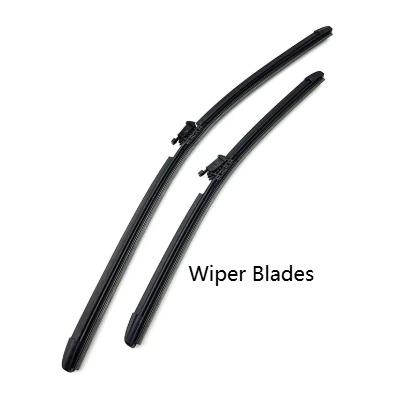
Custom Wiper Blades are developed through a series of coordinated steps that connect buyer requirements with practical manufacturing plans. For an OEM project, the process involves more than selecting a product and adding a company logo. Vehicle applications, product structure, materials, connection systems, appearance, testing, and packaging all need to be considered. For importers and automotive brands, understanding these stages helps make project communication clearer and supports informed purchasing decisions.
Define the OEM Project Requirements
The development process begins with a detailed discussion between the buyer and manufacturer. Buyers should explain the intended market, target vehicle categories, sales channel, expected order volume, and product positioning.
Vehicle information is particularly important. Manufacturers may need vehicle makes, models, production years, installation positions, and original product references. If the project covers several vehicle applications, buyers can prepare a list showing the required specifications for each item.
It is also useful to clarify the project type. Some customers want an existing product with private-label packaging, while others need changes to the product structure, materials, or connection system. Defining the scope at the beginning helps both parties estimate the work involved.
Review Product Structure and Technical Drawings
After collecting the requirements, the manufacturer reviews the proposed product structure. This stage may involve blade length, supporting components, connection design, spoiler shape, wiping element dimensions, and other construction details.
Buyers can provide technical drawings, original samples, photographs, or product reference numbers. These materials give the engineering team information for reviewing the requested design.
For a new structure, the manufacturer may need to prepare drawings or make adjustments before producing a sample. Buyers should review the proposed dimensions and connection details carefully. Any changes should be recorded in an updated specification so that the buyer and production team work from the same information.
Select Materials for the Intended Application
Material selection affects the product structure, manufacturing method, and intended usage conditions. The wiping element may use different rubber or silicone-based materials, while supporting components can involve metal or polymer parts depending on the design.
During this stage, buyers should discuss factors such as flexibility, surface finish, outdoor exposure, color, and material requirements. The target market may also influence these decisions. Products intended for regions with different temperature ranges or weather conditions may require different material considerations.
The manufacturer can discuss available material options and explain how they relate to the proposed design. Buyers should confirm the selected materials before sample preparation to avoid unnecessary changes later in the project.
Prepare Samples and Review Product Fitment
Once the main specifications have been agreed upon, sample preparation can begin. Samples allow both parties to examine the physical product and compare it with the approved drawings or reference requirements.
The review may cover:
Overall dimensions and component alignment.
Connector structure and installation compatibility.
Appearance, color, and surface condition.
Contact between the wiping edge and glass.
Assembly details and movement during operation.
Where practical, the sample should be checked on the intended vehicle or an appropriate test setup. Feedback should identify the exact issue, relevant measurement, and requested adjustment. This makes revisions easier to communicate and verify.
Evaluate Performance and Approve the Design
A sample that matches the drawing still needs practical evaluation. Depending on the project requirements, checks may include wiping behavior, noise, streaking, missed areas, connector retention, and operation under representative conditions.
The buyer and manufacturer should agree on the evaluation criteria before testing. This avoids situations where one party approves a sample based on appearance while the other expects additional performance checks.
After the required reviews are completed, the buyer can approve a reference sample and the related specifications. Drawings, material details, approved colors, and packaging artwork should be kept as project records. These documents provide a reference for later production batches. Product development and testing commonly involve structure review, fitment assessment, performance checks, and vehicle evaluation.
Plan Tooling, Production, and Quality Checks
Not every OEM project requires new tooling. If the requested changes involve branding or packaging, an existing product structure may be suitable. However, a new connector, housing, spoiler, or supporting component may require tooling adjustments or new molds.
Before proceeding, buyers should discuss tooling costs, ownership, maintenance, modification arrangements, and the expected development schedule. These details are especially relevant when the project involves a new product structure.
Production planning should also define material inspection, dimensional checks, assembly review, finished-product sampling, and packaging inspection. The inspection plan should reflect the approved specifications rather than relying on general expectations.
Coordinate Branding and Packaging
For automotive brands and distributors, product presentation is part of the OEM project. Buyers may request a logo, customized color scheme, product label, barcode, instruction sheet, or retail packaging.Artwork should be checked for product references, language, dimensions, and required customer information before printing. Buyers should also confirm carton quantities and packaging arrangements according to their warehouse and distribution needs.At mcwiper, buyers can discuss product requirements, sample arrangements, and customization details for different automotive projects. Clear communication helps connect design expectations with manufacturing preparation. If you are planning an OEM project, you can review product information and submit your requirements through https://www.mcwiper.com/product/

 English
 Arabic
 French
 Spanish
 Portuguese
 Deutsch
 Turkish
 Dutch
 Italiano
 Russian
 Romaian
 Greek
