


How to Choose Reliable Dental Instruments UK Suppliers
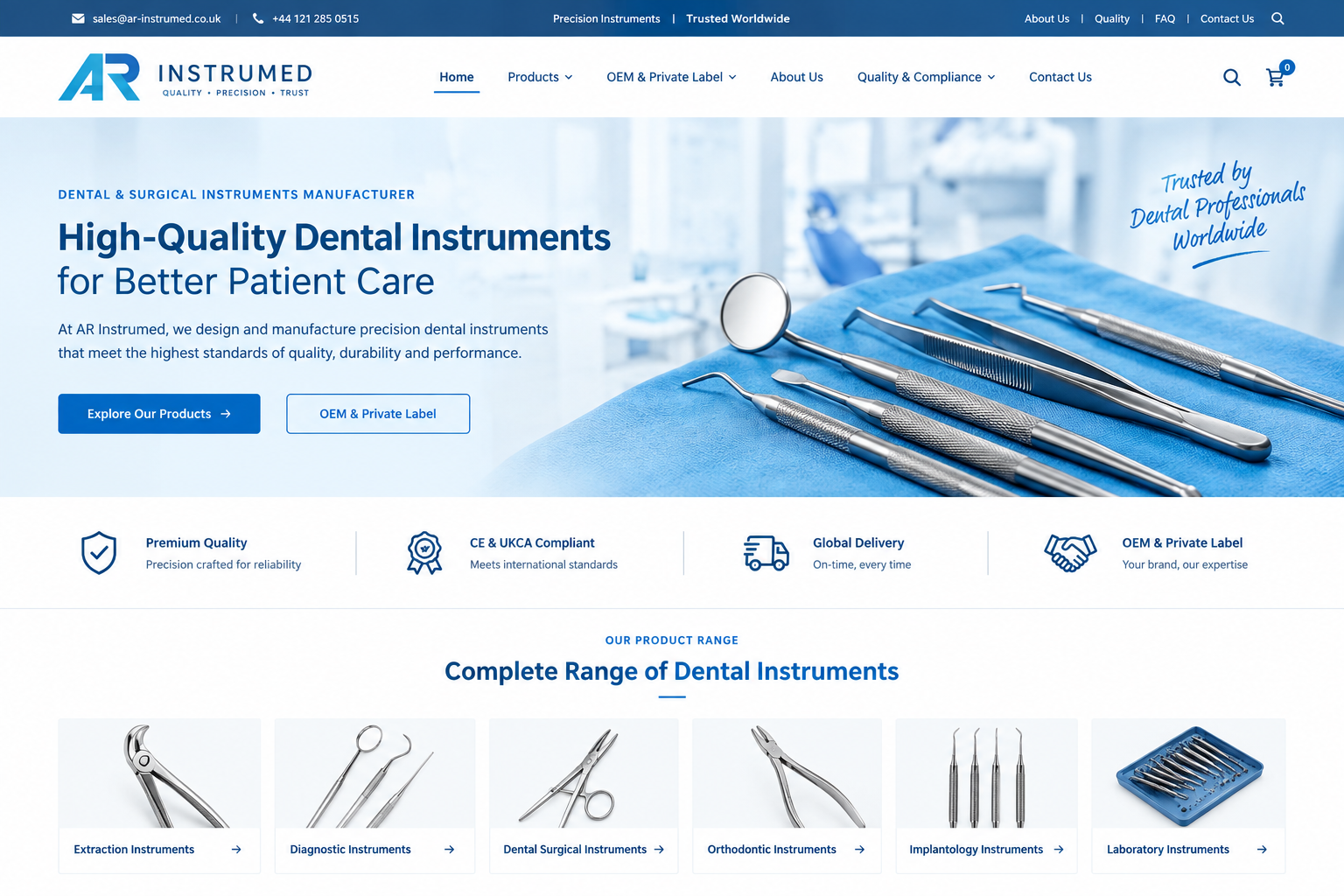
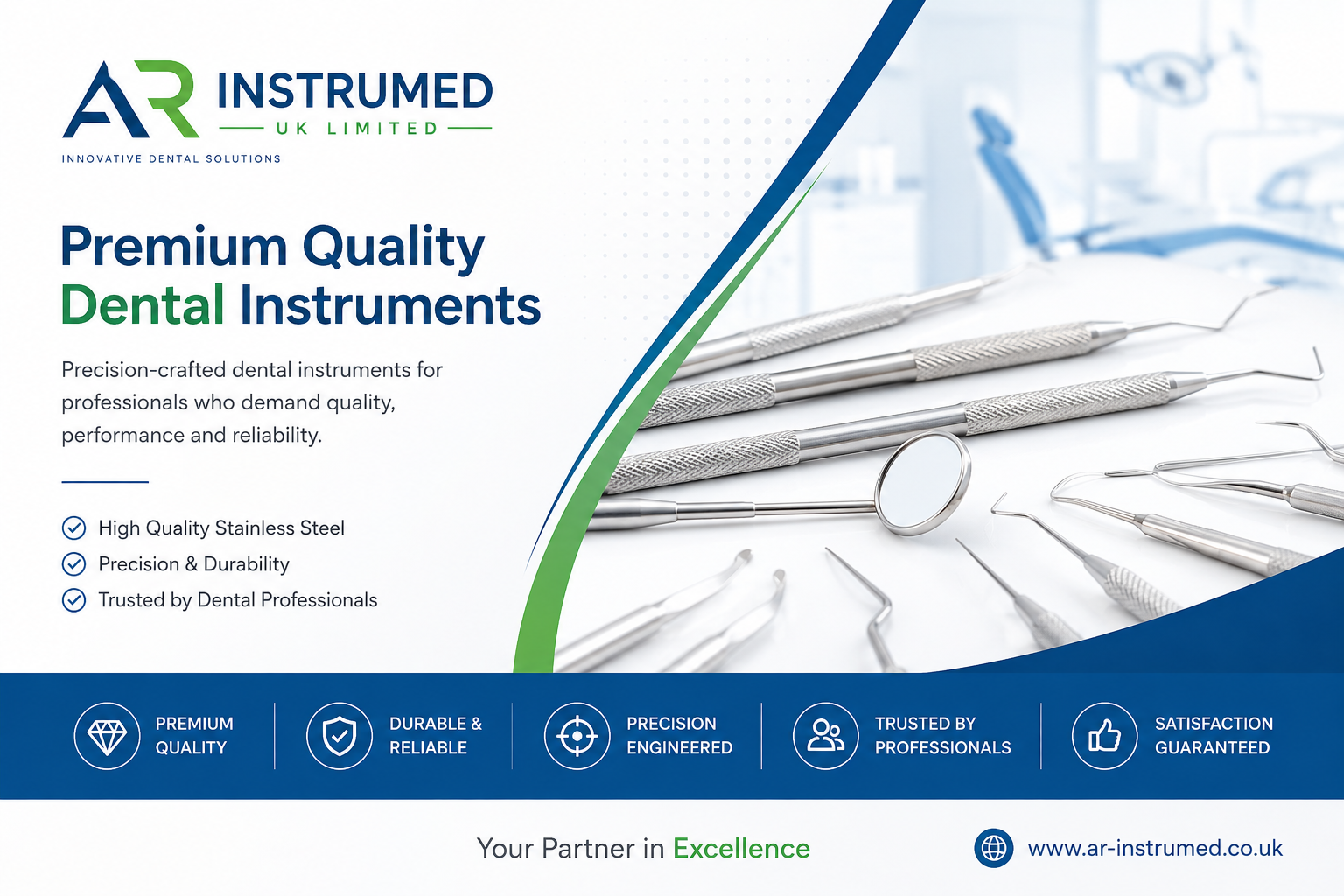
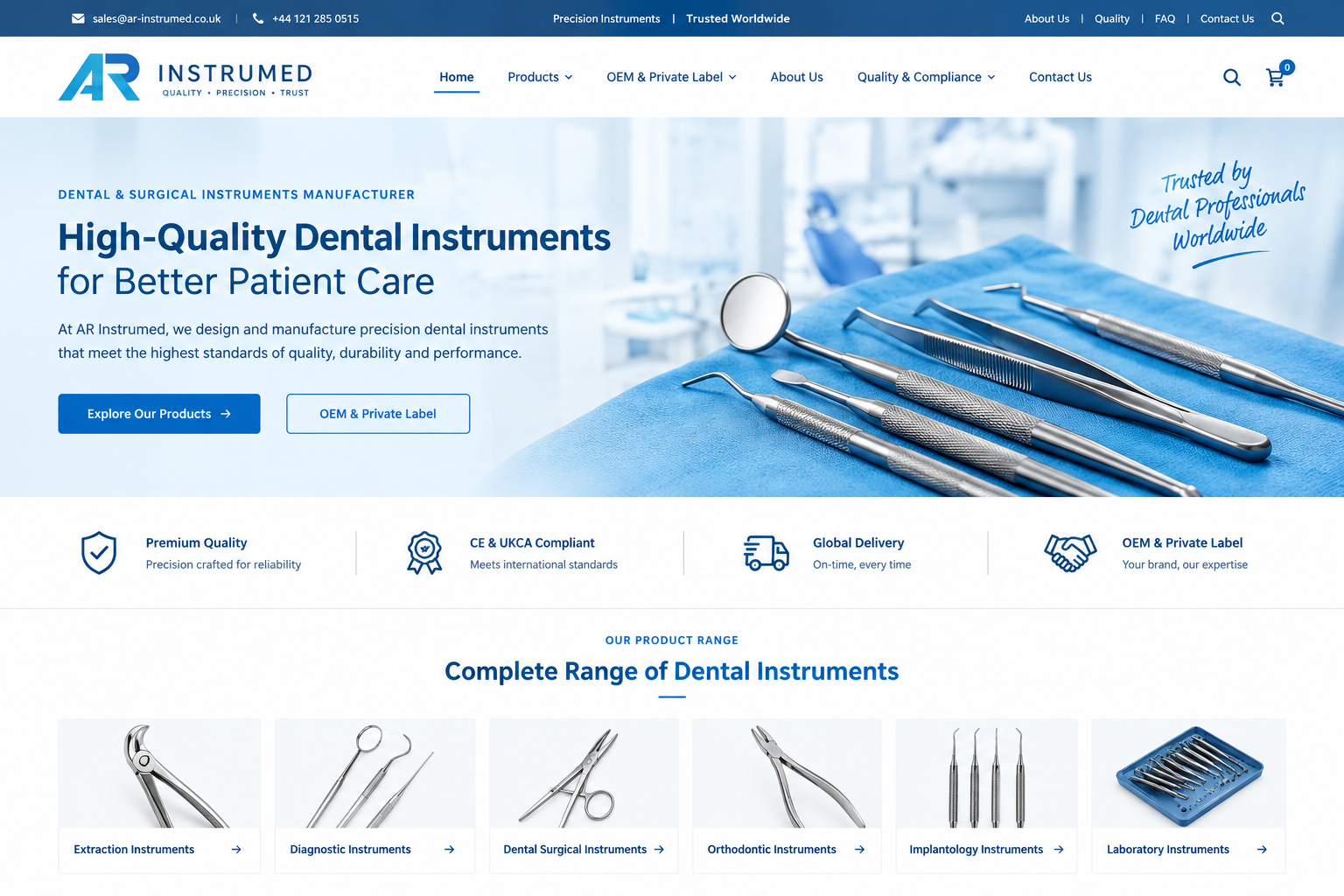
In UK dental practices, many instruments are sourced from specialist manufacturers rather than familiar consumer brands. Choosing the right supplier is more important than many practice managers realise. Instruments that bend under pressure or corrode after repeated autoclave cycles can affect clinical efficiency and patient confidence, as well as increase costs. This guide explains what distinguishes reliable professional dental instruments from inferior alternatives and how manufacturers like AR Instrumed contribute to dependable dental instrument supply.
Key Factors Behind Quality Dental Instrument Manufacturing
Reliable dental surgical instruments begin with high-quality stainless steel, often selected for its strength, corrosion resistance, and suitability for repeated clinical use. Forging can improve structural integrity, helping instruments such as elevators and forceps withstand repeated pressure. Lower-quality stamped instruments may look similar initially but can struggle to maintain performance over time.
Manufacturing processes also play an important role in durability. Controlled heat treatment helps achieve the required hardness, while passivation supports the protective surface layer that resists corrosion during sterilisation. Suppliers who maintain these standards are better positioned to deliver instruments that remain dependable with regular use.
Understanding UK Dental Instrument Regulations
Dental instruments marketed in Great Britain must meet applicable regulatory requirements, including relevant UKCA marking requirements and, where applicable, the EU's CE/MDR compliance framework. Reusable hand instruments, such as elevators and curettes, may fall into Class I depending on their intended purpose and characteristics. Manufacturers must maintain the appropriate technical documentation and traceability records where required. These measures help dental practices assess supplier reliability and address product issues responsibly.
Buyers should ask suppliers clear questions instead of relying on product branding alone. They should confirm the legal manufacturer, check whether a UK responsible person is required and identified, and establish how product batches are traced. Suppliers with in-house testing and passivation facilities can often explain their quality processes more clearly because compliance is integrated into manufacturing rather than treated as an afterthought.
Essential Dental Instrument Categories for Every Practice
Most general dental practices need a core range of diagnostic instruments, extraction tools, and periodontal instruments for examinations, oral surgery, and gum care. Specialist treatments require additional equipment, with orthodontics relying on pliers and band pushers, while implantology requires drivers and calibrated gauges designed for specific clinical applications.
A common purchasing mistake is treating procurement as a single bulk order instead of managing instrument categories according to clinical needs. Extraction forceps, for example, come in various patterns, and an unsuitable selection can make procedures more difficult. A reliable dental instruments supplier UK practices can depend on should offer a broad product range to help clinicians select appropriate instruments for different procedures.
Ergonomic Designs and Silicone-Handled Dental Instruments
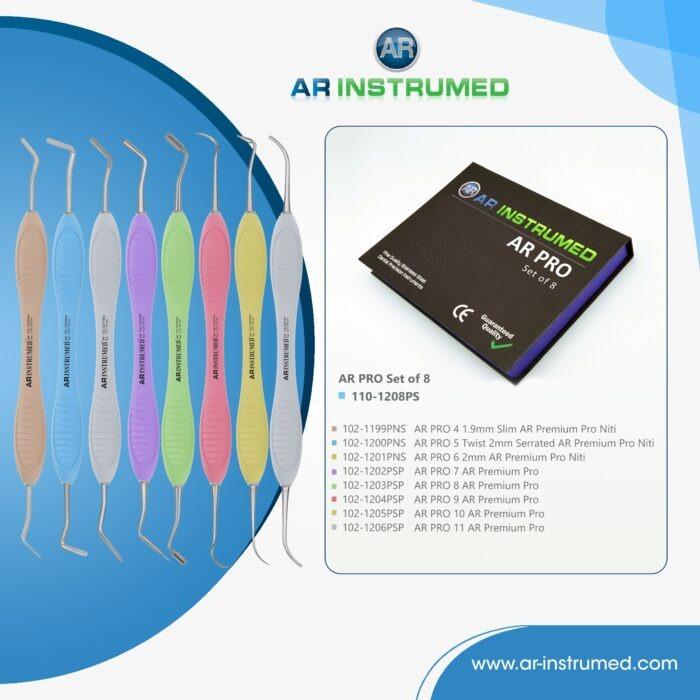
Instrument fatigue is an important workplace concern for dental professionals. Hygienists and periodontists often grip small metal instruments for extended periods, which can contribute to hand and wrist discomfort. Silicone-coated handles can provide a wider, more comfortable grip, helping improve control during procedures, particularly when wearing gloves.
However, silicone coatings vary in quality and durability. Inferior coatings may discolour or separate after repeated sterilisation, while well-bonded coatings can provide longer-lasting performance. Buyers should ask suppliers whether their silicone-handled instruments have been tested for repeated autoclave cycles and what maintenance recommendations apply.
Precision Requirements for Surgical and Implantology Instruments
Dental implant procedures require instruments with appropriate precision because inaccurate performance can affect treatment outcomes. For example, a torque wrench that delivers incorrect readings may cause an implant screw to be under-tightened or over-tightened. Consistent manufacturing tolerances and suitable calibration procedures are therefore important considerations when selecting implantology instruments.
Dental laboratory and prosthetic work also depend on precision tools. Technicians frequently use instruments for detailed adjustments to crowns, bridges, and dentures, making reliable cutting performance and comfortable handling essential. Manufacturers using controlled CNC machining and electrical discharge machining (EDM), where appropriate, can achieve consistent results across production batches.
Choosing Between Stock, Wholesale, and OEM Dental Instruments
Different buyers require different supply arrangements. An independent dental practice ordering replacement instruments has different priorities from a distributor developing a private-label range or a dental group standardising instrument kits across multiple locations.
|
Sourcing Model |
Best For |
Typical Lead Time |
|
Off-the-shelf stock |
Individual practices |
Next day to a few days |
|
Wholesale dental instruments |
Multi-site practices and hospitals |
Days to weeks |
|
OEM dental instruments / private label |
Distributors and dealers |
Weeks to months |
|
Custom manufacturing |
Specialist requirements |
Depends on the project |
Distributors should assess manufacturing capabilities rather than catalogue size alone. A manufacturer with in-house forging, CNC machining, and passivation capabilities, such as AR Instrumed, may offer greater control over production specifications and finishing. This can make OEM partnerships and customised orders more practical while reducing reliance on multiple subcontractors.
Practical Buying Criteria Before You Order
Steel grade and hardness rating should be stated, not assumed. Ask whether an instrument meets a specific stainless steel specification and what hardness it's tempered to, since this affects edge retention and resistance to bending. Certification should be verifiable to request actual UKCA or MDR documentation rather than relying on a badge in a photo.
Delivery speed matters more in dentistry than in most trades, since a lost instrument can mean a cancelled procedure that week. UK-held stock with genuine next-day delivery is worth more than a marginally cheaper price on longer international lead times. Also check the supplier's warranty position and whether technical support actually understands instrument nomenclature.
Frequently Asked Questions
What is the difference between forged and stamped instruments?
Forged instruments are generally stronger, while stamped instruments are often cheaper.
When should dental instruments be replaced?
Replace them when damaged, worn, or no longer performing effectively.
Is CE marking accepted alongside UKCA in the UK?
Requirements vary by product and current regulations. Confirm with your supplier.
What should distributors look for in an OEM partner?
Check manufacturing capabilities, minimum order quantities, and consistent quality.
Why can stainless steel instruments corrode?
Poor passivation, improper cleaning, and chemical residues can cause corrosion.
Final Thoughts
Choosing reliable dental instruments deserves careful consideration, as quality instruments often demonstrate their value through years of consistent performance. Dental practices and distributors benefit from looking beyond price and evaluating steel quality, manufacturing methods, and after-sales support. Taking these factors into account can reduce instrument failures and help build a dependable supplier relationship that supports long-term business growth.

 English
 Arabic
 French
 Spanish
 Portuguese
 Turkish
 Dutch
 Italiano
 Russian
 Romaian
 Portuguese (Brazil)
 Greek
