


Three-Wheel vs Two-Wheel Scooters: Which Is Safer?
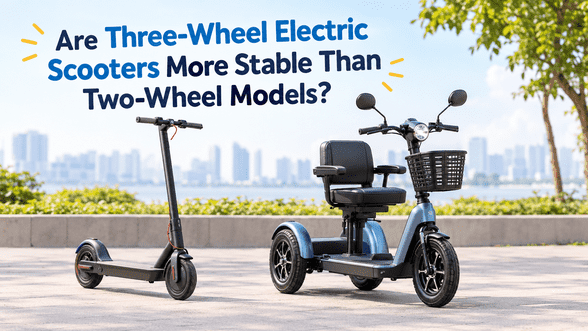
Three-Wheel vs Two-Wheel Scooters: Which Is Safer?
Electric trikes are becoming a popular choice for people who want a comfortable ride with extra balance. But are three-wheel electric scooters really more stable than two-wheel models? The answer depends on how you ride, where you travel, and what you expect from your scooter. Both types have useful features, but their designs affect balance, turning, comfort, and control. Understanding these differences can help you choose the right option for your daily needs.
What Is the Difference Between Three-Wheel and Two-Wheel Scooters?
The biggest difference is the number of wheels and how they support the rider.
A two-wheel electric scooter usually has one wheel at the front and one at the back. The rider needs to maintain balance while standing or sitting, depending on the model. These scooters are often lightweight and easy to move through busy areas.
A three-wheel model has an additional wheel, usually with two wheels at the front or back. This creates a wider base of support and can make balancing easier, especially when moving slowly or stopping.
Both designs have advantages, so the better choice depends on your riding style and experience.
Are Three-Wheel Electric Scooters More Stable?
In many situations, yes. Three-wheel scooters can provide better side-to-side stability because their extra wheel creates a wider support base.
Here are some reasons why they may feel more stable:
-
Easier balancing: Riders generally need less effort to keep the scooter upright when stopped.
-
More support: The extra wheel helps support the scooter without relying entirely on the rider's balance.
-
Comfortable riding: Some models include a wide seat, footrests, and handlebars that provide a relaxed riding position.
-
Useful at low speeds: Three-wheel designs can feel easier to manage when starting, stopping, or moving slowly.
However, having three wheels does not automatically make a scooter safer in every situation. Stability also depends on the wheel arrangement, suspension, brakes, weight distribution, and quality of construction.
For example, a three-wheel scooter may tip if the rider takes a sharp turn too quickly. Riding carefully remains important.
When Are Two-Wheel Scooters a Better Choice?
Two-wheel electric scooters are still an excellent option for many riders. Their lighter design often makes them easier to carry, store, and transport. They can also be practical for short trips, commuting, and travelling through narrow spaces.
Here are some situations where a two-wheel scooter may be more suitable:
1. Travelling Through Busy Areas
A slim scooter can be easier to steer through crowded paths and narrow spaces. This can be helpful when travelling around a busy neighbourhood.
2. Easy Storage
Many two-wheel models fold down, making them convenient for homes with limited storage space.
3. Quick Turns
Experienced riders may find two-wheel scooters easier to lean into turns. However, this requires proper balance and controlled riding.
The main drawback is that riders must maintain their balance, particularly when standing on a traditional electric kick scooter.
Are Three-Wheel Scooters Better for Beginners?
Three-wheel models can be a good option for beginners who feel nervous about balancing on two wheels. Their wider base can provide a greater feeling of support, especially when starting or stopping.
Some e trikes also come with comfortable seats, simple controls, and baskets for carrying small items. These features can make everyday journeys more convenient.
Before choosing a model, beginners should consider the following:
-
Seat and handlebar comfort: Check whether the riding position feels natural.
-
Braking system: Make sure the brakes are easy to operate and appropriate for the scooter.
-
Speed settings: A model with a suitable low-speed setting may help new riders gain confidence.
-
Weight and size: Check whether the scooter is easy to manoeuvre and store.
-
Safety features: Look for lights, reflectors, and other useful equipment.
Always read the manufacturer's instructions and practise in a safe, open area before riding on public roads.
What About Comfort and Everyday Use?
Comfort is another important difference between these scooters. Many three-wheel models are designed with a seat, wider foot platform, and upright handlebars. This can be helpful for people who prefer sitting while travelling short distances.
A three-wheel electric wheeler may also be useful for carrying shopping bags or small personal items when it has a suitable storage basket. However, the maximum load must never be exceeded.
Two-wheel scooters can be comfortable too, particularly models with suspension, larger tyres, and ergonomic handlebars. The best choice depends on the design rather than the number of wheels alone.
When browsing electric ride-on products and mobility options online, such as those available through ToysUAE, check the product specifications carefully. Make sure the model suits the intended rider, age group, and purpose.
How to Ride an Electric Scooter More Safely
Whether you choose two wheels or three, safe riding habits make a real difference.
Follow these simple tips:
-
Wear a properly fitted helmet where appropriate and required.
-
Check the tyres, brakes, lights, and battery before riding.
-
Start at a comfortable speed and avoid sudden turns.
-
Slow down before corners and uneven surfaces.
-
Avoid wet, slippery, or loose surfaces whenever possible.
-
Never carry more weight than the manufacturer allows.
-
Follow local traffic rules and age restrictions.
-
Keep both hands on the handlebars while riding.
Remember that three wheels do not prevent every fall or accident. Careful riding, regular maintenance, and choosing the correct scooter are essential.
Which Scooter Should You Choose?
The right scooter depends on your priorities. Choose a three-wheel model if you want extra support while stationary, a seated riding position, or a design that feels easier to balance at low speeds. Choose a two-wheel model if you prefer something lightweight, compact, and easy to transport.
Before making a decision, compare the scooter's speed, weight capacity, braking system, battery range, and intended use. If the scooter is for a child, check the manufacturer's recommended age and safety guidance rather than assuming that three wheels alone make it suitable.
Ultimately, the best scooter is one that matches the rider's abilities and can be used safely and comfortably.
Frequently Asked Questions (FAQs)
1. Are three-wheel electric scooters safer than two-wheel models?
They can offer better side-to-side stability, particularly at low speeds and when stopped. However, safety also depends on the scooter's design, brakes, speed, and how carefully it is ridden.
2. Can a three-wheel scooter tip over?
Yes. A three-wheel scooter can tip during sharp turns, sudden manoeuvres, or when travelling over uneven ground. Riders should slow down before turning and avoid sudden movements.
3. Are three-wheel scooters suitable for beginners?
Many beginners find them easier to balance because of their wider support base. However, riders should still learn the controls, practise in a safe area, and follow the manufacturer's instructions.
4. Are two-wheel scooters easier to carry?
Generally, yes. Many two-wheel electric scooters are lighter and foldable, making them easier to transport and store. The actual weight depends on the model.
5. What should I check before buying an electric scooter?
Check the maximum speed, weight capacity, battery range, brakes, tyre type, comfort, and safety features. Also, make sure the scooter is suitable for the intended rider and complies with local rules.
6. Do three-wheel scooters work well on uneven roads?
Some models handle mild uneven surfaces better than others, but three wheels do not guarantee a smooth ride. Tyre size, suspension, ground clearance, and the road surface all affect performance.

 English
 Arabic
 French
 Spanish
 Portuguese
 Deutsch
 Turkish
 Dutch
 Russian
 Romaian
 Portuguese (Brazil)
 Greek
