


How Can Rct SDS Plus Hammer Drill Support Daily Construction
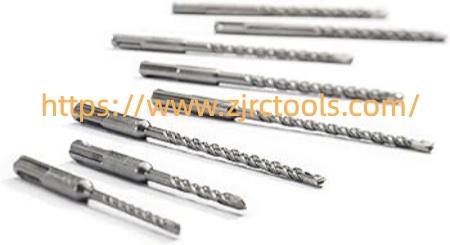
SDS Plus Hammer Drill tools can support a wide range of everyday construction tasks, from installing wall anchors to preparing openings for pipes and electrical fittings. For contractors, renovation teams, and building maintenance professionals, choosing suitable equipment involves more than checking motor power. Workpiece materials, hole dimensions, handling comfort, and accessory compatibility all affect how smoothly a project progresses. Rct provides construction tool options for buyers who need to match equipment specifications with practical job requirements and different working environments.
Construction projects rarely involve just one type of task. A renovation crew may need to secure shelves to masonry walls in the morning, prepare mounting points for brackets in the afternoon, and remove small sections of damaged tile the following day. Each activity requires a different approach. Understanding the capabilities of the equipment helps workers prepare the right accessories and avoid unnecessary changes during the working process.
Concrete and brickwork are common materials on residential and commercial sites. Creating holes for wall plugs, fixing brackets, and securing installation supports requires suitable carbide tipped accessories and a compatible rotary mechanism. The required diameter and depth depend on the fastener, installation design, and substrate. Before starting, workers should check the material and identify any concealed electrical cables or water pipes. This preparation helps reduce installation errors and protects both the operator and the surrounding structure.
Accessory selection deserves careful attention. The SDS Plus connection uses a specific shank design that allows compatible bits to fit into the tool holder. Buyers should confirm the connection type, working length, diameter, and intended application before purchasing additional accessories. A masonry bit designed for concrete may not suit metal or timber work. When a project involves several materials, a suitable range of accessories can help teams adapt their equipment to different tasks without purchasing unnecessary items.
Operating modes can also influence how equipment fits into a contractor's daily routine. Depending on the model, a rotary tool may provide rotation with impact, rotation without impact, or a chiseling function. Impact operation is generally intended for suitable masonry applications, while rotation without impact may support compatible accessories for materials such as wood or metal. A rotation stop can enable light chiseling on models designed for that purpose. Buyers should always check the manufacturer's specifications because available modes and permitted applications vary by model.
Handling and control matter when work continues throughout a busy shift. An auxiliary handle provides another gripping point, while a depth stop can help operators maintain a planned hole depth. Variable speed control may also assist with positioning and starting a hole, depending on the tool design. Equipment weight, balance, cable arrangement, or battery platform can affect its suitability for overhead installations, confined spaces, and jobs that require frequent movement between locations. Contractors should compare these details against the actual demands of their projects.
Safe working practices should remain part of every setup. Operators need a stable stance and a firm two handed grip when required by the manufacturer. Eye protection, hearing protection, and suitable respiratory protection may be necessary according to the task and workplace conditions. Dust extraction can help manage airborne particles during masonry work. Before changing accessories or cleaning the tool, disconnect the power supply or remove the battery. If an accessory becomes jammed, stop and follow the manufacturer's instructions rather than forcing it free.
Routine maintenance can help keep equipment ready for scheduled jobs. After use, inspect the power cord or battery housing, ventilation openings, tool holder, and auxiliary handle for visible damage. Remove dust from accessible surfaces according to the care instructions, and check accessories for worn cutting edges or damaged shanks. Store the equipment in a dry case or designated storage area to protect it during transport. Any unusual vibration, excessive heat, or unexpected noise should prompt an inspection before work resumes.
For distributors, hardware wholesalers, and construction equipment buyers, purchasing decisions also involve supply planning. Comparing rated input, impact energy, permitted working dimensions, included accessories, packaging, and applicable compliance documentation helps clarify differences between product models. Buyers can provide expected order quantities and intended applications when discussing specifications with a manufacturer. This information helps both parties evaluate whether a proposed configuration fits the needs of contractors, maintenance teams, or retail customers.
Rct offers a starting point for buyers comparing construction tools for masonry installation, renovation, and general building maintenance. Reviewing the product range at https://www.zjrctools.com/product/ can help purchasers identify relevant options before discussing specifications, accessories, and order requirements with the supplier. By matching equipment to actual site conditions and providing clear purchasing details, businesses can build a more practical tool selection plan for everyday construction work.

 English
 Arabic
 French
 Spanish
 Portuguese
 Deutsch
 Turkish
 Dutch
 Russian
 Romaian
 Portuguese (Brazil)
 Greek
