


What Should Buyers Compare When Choosing Rct CNC Milling Cutter
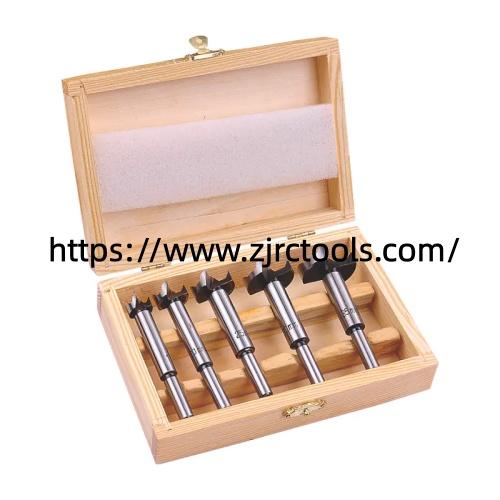
CNC Milling Cutter selection can influence the overall cost of machining far beyond the price shown on a purchase order. For manufacturers producing metal components, machine parts, housings, and precision fittings, the right tooling choice affects processing time, tool replacement frequency, surface quality, and material waste. A practical purchasing strategy considers how a tool performs throughout the production cycle rather than focusing only on its initial price. By reviewing actual workshop requirements, buyers can make informed decisions that support cost control and stable production.
Before comparing product prices, identify the work each tool needs to perform. Roughing operations remove larger amounts of material, while finishing operations focus on dimensions and surface appearance. Slotting, profiling, pocketing, and machining narrow features also create different demands.
Using an unsuitable design may lead to extra passes, unnecessary adjustments, or inconsistent results. A tool intended for one operation may not provide the required access or cutting conditions for another. Buyers should therefore share component drawings, material specifications, dimensional tolerances, and production quantities when discussing their requirements with a manufacturer.
This information helps suppliers recommend suitable options based on the real application. It also gives purchasing teams a clearer basis for comparing quotations instead of choosing products by price alone.
The purchase price is only one part of tooling expenditure. A lower-priced product may require more frequent replacement, while a higher-priced alternative may remain usable for a longer period under appropriate conditions. Neither outcome should be assumed without application data.
A useful approach is to calculate the tooling cost per acceptable component. Divide the total cost of the tools consumed by the number of conforming parts produced during the same period. Workshops can then include additional factors, such as machine operating time, labor, setup, and rejected components, to estimate the wider manufacturing cost.
For example, a production team may find that frequent tool changes interrupt an otherwise stable process. Even when each replacement takes only a short time, repeated interruptions can affect the output of an entire shift. Tracking replacement intervals and completed quantities helps reveal where adjustments may be worthwhile.
Different workpiece materials place different demands on cutting edges. Aluminum, carbon steel, stainless steel, and hardened alloys vary in hardness, thermal behavior, chip formation, and resistance to machining. The selected substrate, coating, edge geometry, and flute arrangement should reflect these differences.
A configuration designed for one material may not deliver the same results with another. Poor chip evacuation can contribute to heat buildup, while unsuitable geometry may increase vibration or produce an inconsistent finish. These problems can lead to additional inspection, rework, and premature replacement.
Buyers should discuss the materials they process most frequently and whether their production includes occasional specialized jobs. A standard option may suit recurring work, while a dedicated configuration could be worth evaluating for a repeated, high-volume component. Any proposed change should be assessed through controlled trials before being adopted across the production line.
Even a suitable product can create unnecessary costs when used outside its recommended operating conditions. Spindle speed, feed rate, depth of cut, tool engagement, and coolant requirements all influence machining behavior. Increasing speed without considering heat and wear may shorten service life instead of reducing the cost of each part.
Operators should begin with the manufacturer's recommended parameters and adjust them according to the machine, workpiece, fixture, and operation. Test runs can help identify vibration, unusual noise, excessive heat, and surface defects before a full production batch begins.
Machine compatibility also matters. Buyers should verify the holder interface, tool dimensions, available spindle power, and required working reach. Excessive overhang can affect rigidity, while poor alignment may contribute to uneven wear. Checking these details before ordering can help prevent installation issues and avoidable production interruptions.
Useful records turn everyday machining experience into purchasing evidence. Production teams can document tool life, cycle time, rejected parts, replacement frequency, and maintenance interruptions. Comparing these figures across similar jobs helps identify whether a change in tooling or operating conditions produces a measurable improvement.
It is also helpful to inspect worn tools and record the observed damage. Flank wear, edge chipping, built-up material, and unusual discoloration may point to different operating problems. Rather than changing several variables at once, operators can test one adjustment at a time and record the results.
For buyers managing several machines, consistent records also make supplier discussions more productive. Actual production data provides a clearer basis for reviewing product specifications and planning future orders.
Controlling machining costs requires cooperation between purchasing teams, machine operators, and tooling suppliers. Clear specifications help manufacturers understand the intended application, while production feedback helps buyers evaluate whether a proposed product fits their workflow. Questions about available dimensions, material options, coating choices, packaging, and order quantities should be discussed before confirming a purchase.
Rct provides a starting point for buyers reviewing tooling options for their machining operations. By preparing component drawings, workpiece details, equipment specifications, and estimated order volumes, customers can make product discussions more focused and compare suitable configurations against their actual production needs. Visit https://www.zjrctools.com/ to review the available product range and contact the manufacturer about requirements for your workshop. A structured selection process can help businesses manage tooling expenditure while maintaining attention to component quality, production stability, and long-term operating costs.

 English
 Arabic
 French
 Portuguese
 Deutsch
 Turkish
 Dutch
 Italiano
 Russian
 Romaian
 Portuguese (Brazil)
 Greek
