


How to Prepare Your Skin for Microdermabrasion
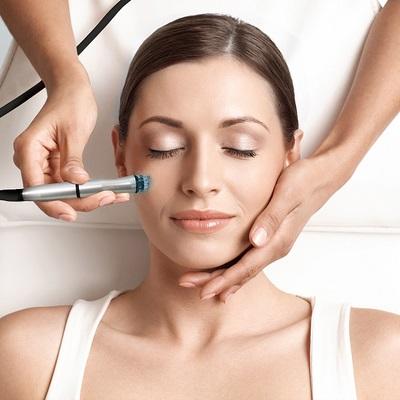
Microdermabrasion is a popular skincare treatment designed to improve skin texture, promote a brighter complexion, and reduce the appearance of certain surface-level imperfections. It works by gently exfoliating the outermost layer of the skin, helping remove dead skin cells and revealing a smoother, fresher-looking appearance. Although the treatment is generally considered minimally invasive, proper preparation plays an important role in achieving satisfying results and reducing the risk of irritation.
Preparing the skin before Microdermabrasion in Muscat involves more than simply washing the face on the day of the appointment. A consistent skincare routine, adequate hydration, sun protection, and avoiding harsh products can help the skin remain comfortable before and after treatment. It is also important to understand which skin conditions may require extra precautions or make the procedure unsuitable.
Whether someone is considering microdermabrasion for dullness, uneven texture, mild discoloration, or clogged pores, knowing how to prepare can make the overall experience more comfortable. With the right approach, the skin can be better prepared for exfoliation while supporting a healthy-looking complexion.
1. Understand Microdermabrasion and Its Benefits
Before preparing for microdermabrasion, it helps to understand how the treatment works and what it can realistically achieve. Microdermabrasion is a non-surgical cosmetic procedure that exfoliates the skin's outermost surface using a specialized device. Depending on the technique, the device may use fine crystals or a diamond-tipped surface to loosen dead skin cells, which are then removed through suction or another collection mechanism.
The treatment is commonly performed on the face, although certain devices and protocols can be used on other areas of the body. It is often chosen by people who want to improve the appearance of rough texture, mild congestion, dullness, and some superficial signs of sun damage.
Potential benefits of microdermabrasion include:
-
Smoother-looking skin with a more refined surface texture.
-
A brighter appearance by removing accumulated dead skin cells.
-
Temporary improvement in the appearance of enlarged pores and mild congestion.
-
A softer feel and more even-looking complexion.
-
Gradual improvement in the appearance of some superficial discoloration when treatments are appropriate for the skin type.
However, microdermabrasion has limitations. It does not remove deep acne scars, significantly tighten loose skin, or eliminate pronounced wrinkles. Results vary according to skin type, treatment intensity, and the condition being addressed. Multiple sessions may be recommended to maintain improvements.
Understanding these benefits and limitations helps establish realistic expectations and makes it easier to determine whether microdermabrasion is an appropriate option.
2. Follow a Gentle Skincare Routine Before Treatment
One of the most important steps in preparing for microdermabrasion is maintaining a gentle skincare routine. Since the procedure exfoliates the skin, using additional exfoliating products beforehand can increase the likelihood of redness, dryness, and sensitivity.
In the days leading up to the appointment, the skincare routine should focus on cleansing, hydration, and protecting the skin barrier rather than trying to achieve rapid improvements through intensive treatments.
Use a mild cleanser
A gentle cleanser helps remove oil, sweat, makeup, and everyday impurities without stripping away the skin's natural moisture. Products containing strong fragrances or harsh cleansing agents may cause unnecessary irritation, particularly for people with sensitive skin.
The face should be washed with lukewarm water and dried by gently patting with a clean towel. Scrubbing the skin with rough washcloths or cleansing brushes should be avoided.
Apply a suitable moisturizer
Keeping the skin moisturized helps support its natural protective barrier. A lightweight, fragrance-free moisturizer may be suitable for oily or combination skin, while a richer cream may provide additional comfort for dry skin.
Ingredients such as ceramides, glycerin, and hyaluronic acid can help support hydration. Well-hydrated skin is not guaranteed to produce better cosmetic results, but maintaining a healthy skin barrier can reduce unnecessary dryness and discomfort.
Avoid excessive exfoliation
Physical scrubs, exfoliating brushes, and strong chemical exfoliants can leave the skin more sensitive before a microdermabrasion session. Retinoids, alpha-hydroxy acids, beta-hydroxy acids, and other potentially irritating active ingredients may also need to be paused.
The appropriate timing depends on the product, skin sensitivity, and treatment intensity. The person performing the procedure should provide specific instructions about which products to stop and when to resume them. Prescription skincare products should not be discontinued without appropriate medical guidance.
3. Protect the Skin From Sun Exposure
Sun protection is an essential part of preparing for microdermabrasion. Excessive ultraviolet exposure can cause sunburn, inflammation, and increased skin sensitivity, making exfoliation more uncomfortable and potentially increasing the risk of unwanted pigmentation changes.
In the days before treatment, it is advisable to limit prolonged direct sun exposure, especially during periods of strong sunlight. Tanning beds and intentional tanning should also be avoided.
Daily sunscreen use is particularly important. A broad-spectrum sunscreen with SPF 30 or higher helps protect the skin against UVA and UVB rays. It should be applied to exposed skin and reapplied approximately every two hours outdoors, as well as after swimming or excessive sweating.
Additional protective measures include:
-
Wearing a wide-brimmed hat when spending time outdoors.
-
Seeking shade during periods of intense sunlight.
-
Avoiding activities that could result in sunburn before the appointment.
-
Using protective clothing when practical.
If the skin becomes sunburned, unusually red, or irritated before a scheduled session, the treatment may need to be postponed until the skin has recovered. Proceeding with exfoliation on inflamed skin can increase discomfort and the risk of complications.
Sun protection remains important after microdermabrasion as well. Newly exfoliated skin may be more vulnerable to irritation, and consistent sunscreen use supports the maintenance of a more even-looking complexion.
4. Avoid Irritating Treatments and Inform the Provider About Skin Concerns
Preparing for microdermabrasion also involves identifying anything that could make the skin more vulnerable to irritation. A treatment that is suitable for one person may not be appropriate for someone with active inflammation, a weakened skin barrier, or certain underlying skin conditions.
Before the appointment, the person receiving treatment should provide an accurate overview of their skincare routine, medications, recent cosmetic procedures, and relevant skin concerns.
Products and procedures that may require a pause include:
-
Retinol and prescription topical retinoids.
-
Exfoliating acids, including glycolic acid and salicylic acid.
-
Facial scrubs and other abrasive skincare products.
-
Waxing or other procedures that may irritate the treatment area.
-
Certain chemical peels, laser treatments, or other cosmetic procedures.
There is no universal waiting period for every product or procedure. The appropriate interval depends on the specific treatment, its intensity, and the individual's skin condition. Instructions from a qualified skincare professional should take priority over general recommendations.
Certain skin conditions also require special consideration. Active acne lesions, cold sores, eczema, rosacea flare-ups, open wounds, skin infections, and significant inflammation may make microdermabrasion unsuitable or require postponement. People with a history of abnormal scarring or pigmentation changes should also discuss their concerns before proceeding.
Individuals taking isotretinoin or other medications that affect skin sensitivity or healing should disclose this information and obtain appropriate medical guidance before treatment. The suitability and timing of microdermabrasion depend on individual circumstances.
An assessment before treatment helps determine whether the procedure is appropriate and whether an alternative approach would be safer or more effective.
5. Keep the Skin Clean and Hydrated on the Day of Microdermabrasion
On the day of the appointment, the goal is to present skin that is clean, comfortable, and free from unnecessary irritants. A complicated skincare routine is not needed immediately before the procedure.
Cleanse gently before arriving. If possible, the face should be free from makeup, heavy creams, and oily cosmetic products. Some treatment settings provide cleansing before the procedure, so following the specific appointment instructions is important.
The skin should not be scrubbed, shaved aggressively, or treated with exfoliating products immediately before the session. These activities can create microscopic irritation and make the procedure less comfortable.
Maintain normal hydration. Drinking enough water throughout the day supports overall health, while applying a suitable moisturizer helps prevent excessive surface dryness. Drinking unusually large amounts of water immediately before treatment is unnecessary, and hydration alone cannot prevent every possible side effect.
It is also helpful to avoid experimenting with new skincare products before the appointment. A newly introduced product could cause an unexpected reaction, making it difficult to determine whether the skin is ready for treatment.
Before the procedure begins, any recent redness, rash, breakouts, sun exposure, or unusual sensitivity should be mentioned. The treatment intensity may need to be adjusted, or the appointment may need to be rescheduled.
People who are prone to cold sores around the mouth should disclose this history, particularly when treatment is planned near the affected area. Appropriate precautions can then be discussed.
6. What to Expect After Treatment and How to Care for the Skin
Although preparation is important, aftercare is equally valuable. Microdermabrasion is generally associated with mild, temporary side effects, but the skin may feel slightly tight, dry, warm, or sensitive immediately afterward. Mild redness can occur and often settles relatively quickly.
The skin should be treated gently during the recovery period. Using harsh products or repeating exfoliation too soon can worsen irritation and interfere with the skin's natural recovery.
Follow these aftercare recommendations:
-
Cleanse with a mild, non-abrasive cleanser.
-
Apply a gentle moisturizer to maintain skin comfort.
-
Use broad-spectrum SPF 30 or higher sunscreen daily.
-
Avoid direct sun exposure and tanning.
-
Pause irritating active ingredients until the skin has recovered and the treatment provider confirms they can be resumed.
-
Avoid scrubbing, picking, or rubbing the treated area.
-
Follow the recommended interval before scheduling another session.
The appropriate recovery period varies according to skin sensitivity and treatment intensity. Some people can return to their usual activities immediately, while others may need additional time before resuming active skincare products.
Microdermabrasion should not cause severe or prolonged discomfort. Significant swelling, blistering, worsening pain, signs of infection, or redness that becomes increasingly intense should prompt medical assessment. Anyone experiencing an unexpected reaction should avoid further exfoliation until the skin has been evaluated.
Consistent aftercare helps protect the skin barrier and may reduce the risk of irritation and pigmentation changes. However, no skincare routine can guarantee a particular cosmetic result, and individual responses differ.
Frequently Asked Questions About Microdermabrasion
1. How many days before microdermabrasion should skincare products be stopped?
The timing depends on the product and the individual's skin sensitivity. Some irritating products may need to be paused several days beforehand, while prescription retinoids or certain recent cosmetic treatments may require a different approach. The treatment provider should give personalized instructions rather than relying on one universal schedule.
2. Can someone use retinol before microdermabrasion?
Retinol may increase dryness, peeling, or skin sensitivity, so it is often paused before treatment. The appropriate interval depends on the formulation, frequency of use, and skin condition. Prescription retinoids should only be adjusted according to appropriate medical advice.
3. Is microdermabrasion suitable for sensitive skin?
Some people with sensitive skin may tolerate carefully adjusted microdermabrasion, but others may experience excessive redness or irritation. A skin assessment is important before proceeding. Active eczema, rosacea flare-ups, or a damaged skin barrier may make postponing treatment the safer option.
4. Should someone exfoliate before a microdermabrasion appointment?
No additional exfoliation is generally needed. Scrubs, exfoliating brushes, and strong acids can make the skin more vulnerable to irritation. A gentle cleansing and moisturizing routine is usually more appropriate before the procedure.
5. Can makeup be worn after microdermabrasion?
Makeup may be tolerated after the skin has settled, but the timing depends on the treatment intensity and the presence of redness or sensitivity. When makeup is used, gentle, non-irritating products are preferable. Makeup should be removed carefully without rubbing the skin.
6. How often can microdermabrasion be performed?
The recommended frequency depends on the person's skin type, treatment goals, and response to previous sessions. Treatments are often spaced several weeks apart to allow the skin to recover. More frequent sessions are not necessarily more effective and may increase irritation.
Final Thoughts
Preparing the skin for microdermabrasion is a straightforward process when the focus remains on gentle care, hydration, sun protection, and avoiding unnecessary irritation. A mild skincare routine in the days leading up to treatment can help maintain the skin barrier, while discussing medications and existing skin conditions allows the procedure to be assessed more safely.
It is equally important to understand the limitations of microdermabrasion and follow appropriate aftercare instructions. Although the treatment may help improve the appearance of dullness and uneven texture, results vary, and certain skin concerns may respond better to alternative treatments.
With realistic expectations and suitable preparation, microdermabrasion can be considered as part of a thoughtful skincare plan. Protecting the skin before and after treatment remains essential for maintaining comfort and supporting a healthy-looking complexion.
Read More About Microdermabrasion: https://comunidad.espoesia.com/enfieldclinicoman/microdermabrasion-for-mature-skin-benefits-and-risks/

 English
 Arabic
 French
 Portuguese
 Deutsch
 Turkish
 Dutch
 Italiano
 Russian
 Romaian
 Portuguese (Brazil)
 Greek
