


What Should Buyers Check Before Choosing Iron Pots And Pans?
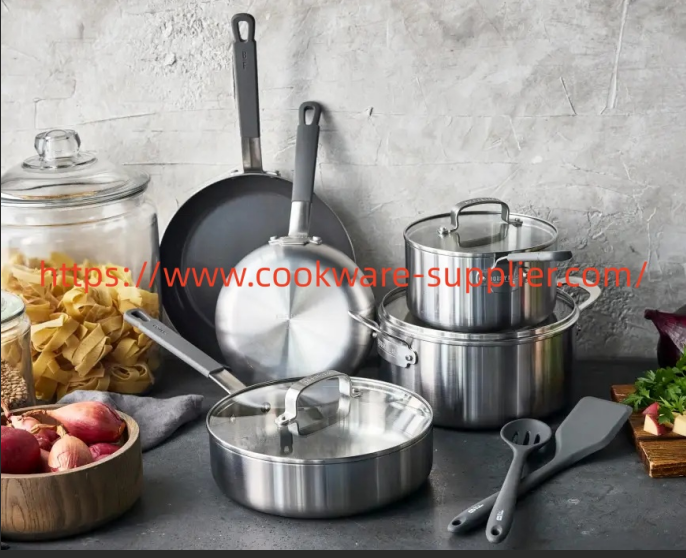
Iron Pots And Pans can serve a variety of cooking needs, making them a product category worth evaluating for kitchenware distributors, importers, retailers, and private-label brands. Before placing an order, buyers should examine material specifications, product dimensions, handle construction, surface treatment, and intended applications. These details influence daily use, packaging requirements, and suitability for different customer groups. For manufacturers, receiving clear purchasing requirements also makes it easier to prepare samples, quotations, and production plans that match the buyer’s expectations.
Identify the Intended Customer Group
Before comparing individual models, buyers should define the customers they want to reach. Household retailers may prefer practical designs for everyday meals, while specialist kitchen shops may require products with particular finishes, sizes, or traditional styling.
The target market can influence the product range. Compact models may suit smaller households, whereas larger vessels can accommodate family meals or batch cooking. Buyers should consider common cooking habits, storage space, expected price positioning, and the preferences of local customers.
A clear customer profile helps narrow the available options. It also gives manufacturers useful information when recommending dimensions, product combinations, and packaging formats for a new collection.
Examine the Material Specifications
Material information should be confirmed before approving a sample. Ask the manufacturer to identify the body material, production method, thickness, and surface treatment. These specifications can affect weight, heat response, maintenance requirements, and the product’s overall construction.
Buyers should also inspect the rim, base, and body shape for visible irregularities. Consistent dimensions matter when products are packed in sets or arranged for retail display. If a project involves several sizes, request a specification sheet for each model rather than assuming that every item follows the same measurements.
For bulk orders, agree on acceptable dimensional tolerances and appearance criteria before production. A retained reference sample can help both parties compare finished goods against the approved design.
Compare Size, Capacity, and Weight
A product’s diameter does not tell the whole story. Internal depth, usable capacity, handle length, and overall weight also affect how it fits different cooking tasks. Buyers should review these measurements together when choosing items for a retail assortment.
A shallow pan may suit frying or browning, while a deeper vessel can offer more room for sauces or larger portions. Weight should be considered alongside ease of handling, shipping requirements, and the intended customer group.
Storage is another factor worth checking. Nested products may reduce carton volume, but the design should allow safe stacking without damaging the finish. Request drawings or physical samples to confirm dimensions before approving packaging artwork or final order quantities.
Review Handles, Lids, and Surface Treatment
Handles influence comfort, balance, and handling safety. Buyers should check the attachment method, grip shape, material, and suitability for the expected product weight. Any stated temperature limits should be documented clearly.
For models supplied with lids, inspect the fit, knob design, and storage requirements. Confirm whether the lid is included in the quoted price or ordered separately.
Surface treatment also deserves attention. Depending on the design, the product may have a seasoned, uncoated, or enamelled surface. Each finish may require different care instructions. Buyers should ask for clear guidance on cleaning, drying, seasoning where applicable, and suitable cooking methods. Compatibility with gas, electric, ceramic, or induction surfaces should be confirmed for the specific model before it is stated on product packaging.
Confirm Quality Control and Packaging
A purchasing agreement should explain how finished goods will be checked. Common inspection points include dimensions, surface appearance, handle attachment, lid fit, and packaging condition. Written acceptance criteria help buyers and manufacturers work from the same expectations.
Packaging should reflect the distribution plan. Retail products may need branded cartons, barcodes, product labels, or printed care instructions. Bulk shipments may require separators or protective materials to reduce movement during transport.
Buyers should also confirm carton dimensions, units per carton, shipping marks, and sample approval procedures. When packaging requires custom artwork, the final design should be reviewed before mass production. These checks can help reduce avoidable errors during fulfillment.
Discuss Custom Orders Before Production
Private-label projects often involve specific requirements for branding, packaging, product dimensions, or assortment combinations. Buyers should ask which options are available for the selected model and whether customization affects the minimum order quantity or production schedule.
Before confirming an order, clarify sample costs, estimated lead time, payment terms, inspection arrangements, and available documentation. Provide artwork files and product specifications early when custom markings or packaging are required.A detailed inquiry helps the manufacturer understand the project from the beginning. Buyers can review product options through cookware-supplier and share their preferred sizes, finish, packaging requirements, target market, plus estimated order quantity. Visit https://www.cookware-supplier.com/product/ to begin a product discussion and identify suitable options for your purchasing plan.

 English
 Arabic
 French
 Spanish
 Portuguese
 Deutsch
 Turkish
 Italiano
 Russian
 Romaian
 Portuguese (Brazil)
 Greek
